The post More Than Storage: How Smart Lockers Are Strengthening Campus Security appeared first on Smiota.
]]>This combination often results in overcrowded mailrooms, misplaced packages, and limited control over who accesses stored items. These aren’t just operational inefficiencies but genuine security concerns.
Smart lockers are emerging as a practical solution to these challenges. While often seen as a convenience feature, they are quickly becoming an essential part of modern campus security by introducing structure, control, and accountability.
The Security Gaps in Traditional Campus Systems
Traditional campus storage and delivery systems rely heavily on manual processes. Staff members are responsible for receiving, sorting, and distributing large volumes of packages daily. Under such pressure, errors are almost inevitable.
Packages can be misplaced, handed over to the wrong person, or left unattended in shared spaces. In many cases, there is no reliable way to track where things went wrong. The lack of a proper audit trail makes it difficult to investigate issues or assign accountability.
Common gaps include:
- Limited tracking of package movement
- Unauthorized access to storage areas
- High dependency on staff availability
- Increased chances of human error during peak times
These vulnerabilities highlight the need for a more structured and secure system.
What Makes Smart Lockers “Smart”?
Smart lockers bring automation and digital intelligence into what was traditionally a manual process. They use secure authentication methods such as PIN codes, QR codes, or RFID-enabled ID cards to ensure that only authorized users can access specific compartments.
Once an item is placed in a locker, the intended recipient is instantly notified with access details. This removes the need for manual coordination and reduces delays. More importantly, every interaction, whether it’s delivery, access, or retrieval, is automatically recorded in a digital system.
Key capabilities include:
- Controlled, user-specific access
- Instant notifications for pickups
- Automated logs for every transaction
- Integration with campus systems and apps
These features work together to create a system that is not only efficient but also highly secure and transparent.
Key Ways Smart Lockers Strengthen Campus Security
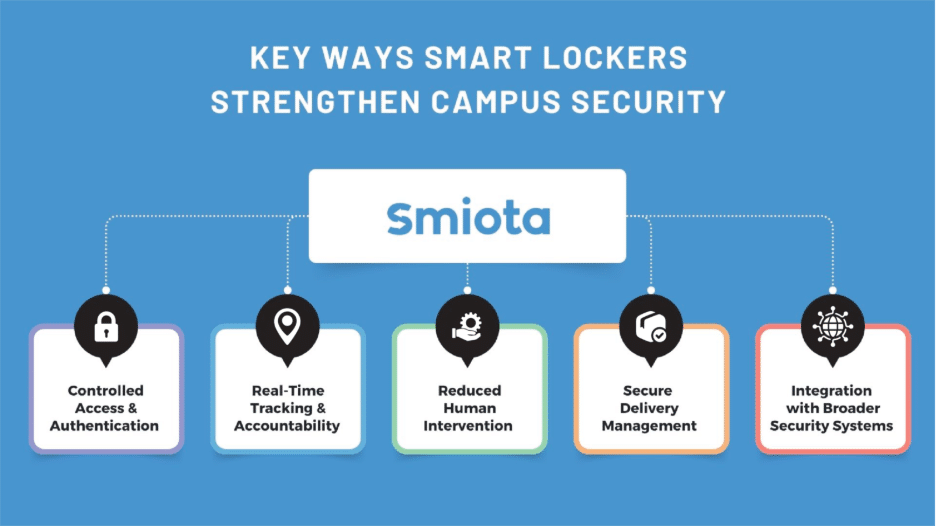
Controlled Access & Authentication
One of the most significant advantages of smart lockers is their ability to restrict access. Unlike traditional storage areas, where multiple people may have entry, smart lockers ensure that only the intended recipient can open a specific compartment. This eliminates ambiguity and significantly reduces the risk of unauthorized access or theft.
Real-Time Tracking & Accountability
Every interaction with a smart locker is recorded and time-stamped, creating a clear digital trail. This level of visibility allows administrators to track the exact journey of a package from delivery to pickup. In case of disputes, this data becomes invaluable, enabling quick resolution and improved accountability.
Reduced Human Intervention
By automating the handling process, smart lockers reduce the need for manual involvement. Staff no longer need to manage every package directly, which minimizes the chances of human error. It also reduces internal risks associated with mishandling or miscommunication.
Secure Delivery Management
With smart lockers, delivery personnel can securely deposit packages into designated compartments without needing staff assistance. This ensures that items are not left unattended or exposed to theft. In many ways, this system addresses the campus equivalent of “porch piracy,” providing a safe and reliable last-mile delivery solution.
Integration with Broader Security Systems
Smart lockers do not operate in isolation. They can be integrated with existing campus infrastructure such as surveillance systems and access control platforms. This creates a more cohesive security environment where multiple systems work together to enhance visibility and control.
Use Cases Beyond Package Delivery
While package management is the most common application, smart lockers serve multiple purposes across campus. Their flexibility makes them a valuable asset in different departments and scenarios.
For instance, libraries can use lockers to facilitate contactless book pickups and returns, reducing queues and ensuring secure handling. IT departments can streamline the distribution and collection of devices like laptops, maintaining a clear record of asset movement. Similarly, lockers can be used to store lab equipment, ensuring that only authorized individuals can access sensitive materials.
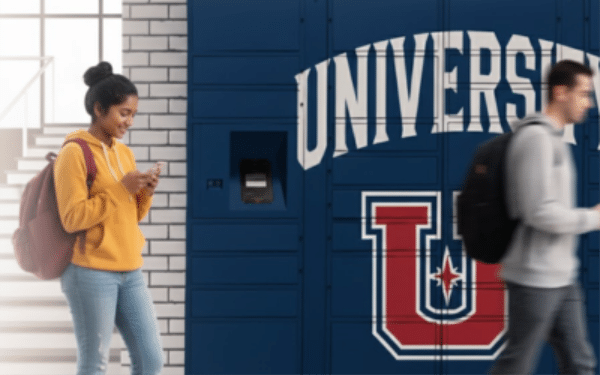
Additional use cases include:
- Contactless food delivery on campus
- Temporary storage for students and staff
- Secure exchange of documents or materials
This versatility makes smart lockers more than just a delivery solution – they become a shared infrastructure for secure access.
Impact on Campus Safety Culture
The adoption of smart lockers has a broader impact beyond operations. It influences how safety is perceived on campus. When students and staff know that their belongings are stored securely and can only be accessed by them, it builds a sense of trust in the system.
It also introduces a culture of accountability. Since every interaction is recorded, users become more conscious of their actions. This transparency reduces misuse and encourages responsible behavior.
Over time, these systems contribute to a more secure and organized campus environment. They also signal that the institution is investing in modern, technology-driven solutions to enhance safety and convenience.
Implementation Considerations for Universities
Implementing smart lockers requires thoughtful planning to maximize their benefits. Placement plays a crucial role and lockers should be installed in accessible yet secure locations such as residence halls, libraries, and academic buildings.
Equally important is integration with existing campus systems. A seamless connection with ID cards, mobile apps, and IT infrastructure ensures a smooth user experience. Universities should also consider scalability, ensuring that the system can expand as demand grows.
Other key considerations include:
- Ensuring user awareness and easy onboarding
- Providing clear instructions for use
- Addressing data privacy and security requirements
A well-executed implementation ensures that both security and usability goals are met.
Final Thoughts: Why Universities Are Turning to Smarter Locker Solutions
As campuses evolve, so do their security challenges. Traditional systems are no longer sufficient to handle the scale and complexity of modern university operations. Smart lockers offer a practical solution by combining security, efficiency, and convenience into a single system.
They strengthen campus security by:
- Restricting access to authorized users
- Creating a transparent audit trail
- Securing deliveries and shared resources
Solutions like Smiota lockers are helping universities take this step forward. With advanced access control, seamless integration, and scalable deployment options, Smiota enables institutions to modernize their infrastructure without added complexity.
For universities aiming to create safer, smarter campuses, smart lockers are no longer optional but an essential part of the security ecosystem. Learn more about how Smiota lockers can enhance student and staff experience in your university by talking to one of our locker experts.
The post More Than Storage: How Smart Lockers Are Strengthening Campus Security appeared first on Smiota.
]]>The post Sustainable Campuses: How Smart Lockers Reduce Waste and Carbon Footprints appeared first on Smiota.
]]>As universities push toward sustainability goals, these everyday inefficiencies are becoming harder to ignore. This is where smart lockers step in, not just as a convenience feature, but as a practical, tech-driven solution to a much larger problem. Beyond simplifying storage and deliveries, smart lockers actively help reduce waste, cut down unnecessary transport, and lower carbon footprints. For campuses striving to become greener and more responsible, smart lockers are emerging as an essential part of sustainable infrastructure.
The Environmental Cost of Traditional Campus Logistics
Traditional campus logistics come with environmental costs that often go unnoticed. When packages are missed or misplaced, they are frequently returned to distribution centers, doubling transportation emissions for a single delivery. Multiply that by thousands of packages over a semester, and the carbon impact becomes significant.
The same applies to shared campus assets. Misplaced library books, lab equipment, or sports gear often lead to unnecessary replacements. Each replacement means new manufacturing, packaging, shipping, and eventually disposal, all contributing to increased landfill waste and resource depletion. Even temporary misplacement can cause departments to over-order “just in case,” adding to excess inventory that may never be fully used.
Fuel consumption from repeated campus delivery runs, maintenance trips, and internal transport adds another layer of emissions. Delivery vehicles idling, driving short inefficient routes, or making multiple attempts all increase CO₂ output. When combined with discarded packaging materials and damaged goods, traditional campus logistics quietly undermine sustainability efforts, despite good intentions.
Smart Lockers as a Solution to Reduce Waste
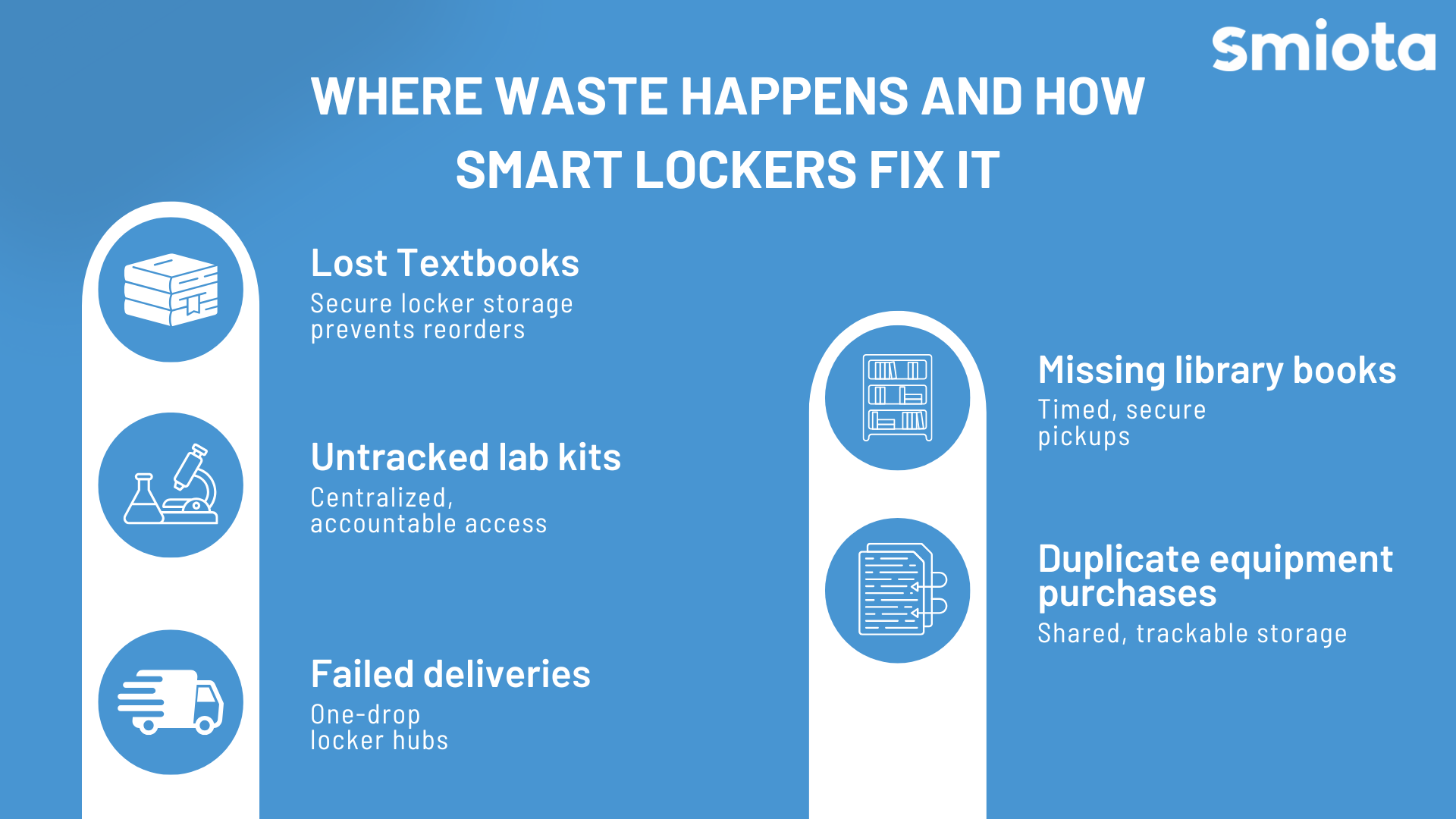
Smart lockers prevent waste by eliminating common points of loss and inefficiency on campus. Secure compartments, digital access controls, app notifications, and timed pickups ensure that items are stored correctly and collected on time, reducing uncertainty for both users and administrators. When items are less likely to go missing, campuses avoid unnecessary replacements and the waste that comes with them.
Examples of how smart lockers reduce waste on campus:
- Students no longer misplace textbooks, lab equipment, or project materials, cutting down on repeated purchases and replacements.
- Shared lab kits and academic resources remain tracked and accounted for, reducing overstocking and excess inventory.
- Centralized package deliveries into smart locker hubs reduce failed delivery attempts, returns, and damaged parcels.
- Library books and learning materials are securely stored for pickup, minimizing losses and replacement orders.
- Sports equipment, art supplies, or student organization materials are stored and retrieved efficiently, preventing duplicate purchases.
Every avoided replacement directly reduces environmental impact. Fewer replacements mean less manufacturing, reduced shipping and transport emissions, and lower disposal rates. Over time, smart lockers help campuses shift from waste-heavy, reactive systems to intentional, sustainable resource management.
Minimizing Carbon Footprint through Smarter Deliveries
One of the most direct sustainability benefits of smart lockers is their impact on delivery efficiency. Centralized locker hubs allow multiple deliveries to be completed in a single stop, rather than across scattered buildings or departments. This consolidation significantly reduces the number of delivery trips required across campus.
Fewer delivery attempts also mean fewer miles traveled. Missed deliveries are a major contributor to unnecessary emissions, and smart lockers eliminate this issue by ensuring secure, 24/7 access for recipients. Couriers no longer need to return multiple times or reroute packages.
In addition, reduced vehicle movement leads to lower fuel consumption, fewer emissions, and less congestion on campus. For universities tracking their carbon output, these incremental reductions add up quickly over the academic year.
Smart lockers also align seamlessly with broader campus sustainability initiatives. Whether a university is aiming to reduce Scope 3 emissions or promote greener operations, locker-based delivery systems integrate technology into environmental planning, making sustainability measurable rather than aspirational.
Also read: Beyond Packages: Multi-Department Uses for Campus Lockers
Supporting a Circular Economy on Campus
Beyond logistics, smart lockers open the door to circular economy within campus communities. They can act as secure hubs for sharing, reuse, and redistribution, encouraging students and staff to consume less and share more.
Universities can use smart lockers to facilitate book exchanges, lab kit reuse, or shared access to art supplies and sports equipment. Student-run marketplaces and sustainability initiatives can leverage lockers as pickup and drop-off points, reducing friction in peer-to-peer exchanges.
By making sharing easy and reliable, smart lockers reduce the demand for new products. Fewer purchases mean less manufacturing, lower transport emissions, and reduced landfill waste. Over time, this fosters a campus culture where reuse becomes normal rather than inconvenient.
The long-term impact goes beyond waste reduction. Students exposed to sharing systems during their education are more likely to carry sustainable habits into their professional and personal lives. Smart lockers, in this sense, become enablers of behavioral change, not just storage solutions.
Challenges and Considerations
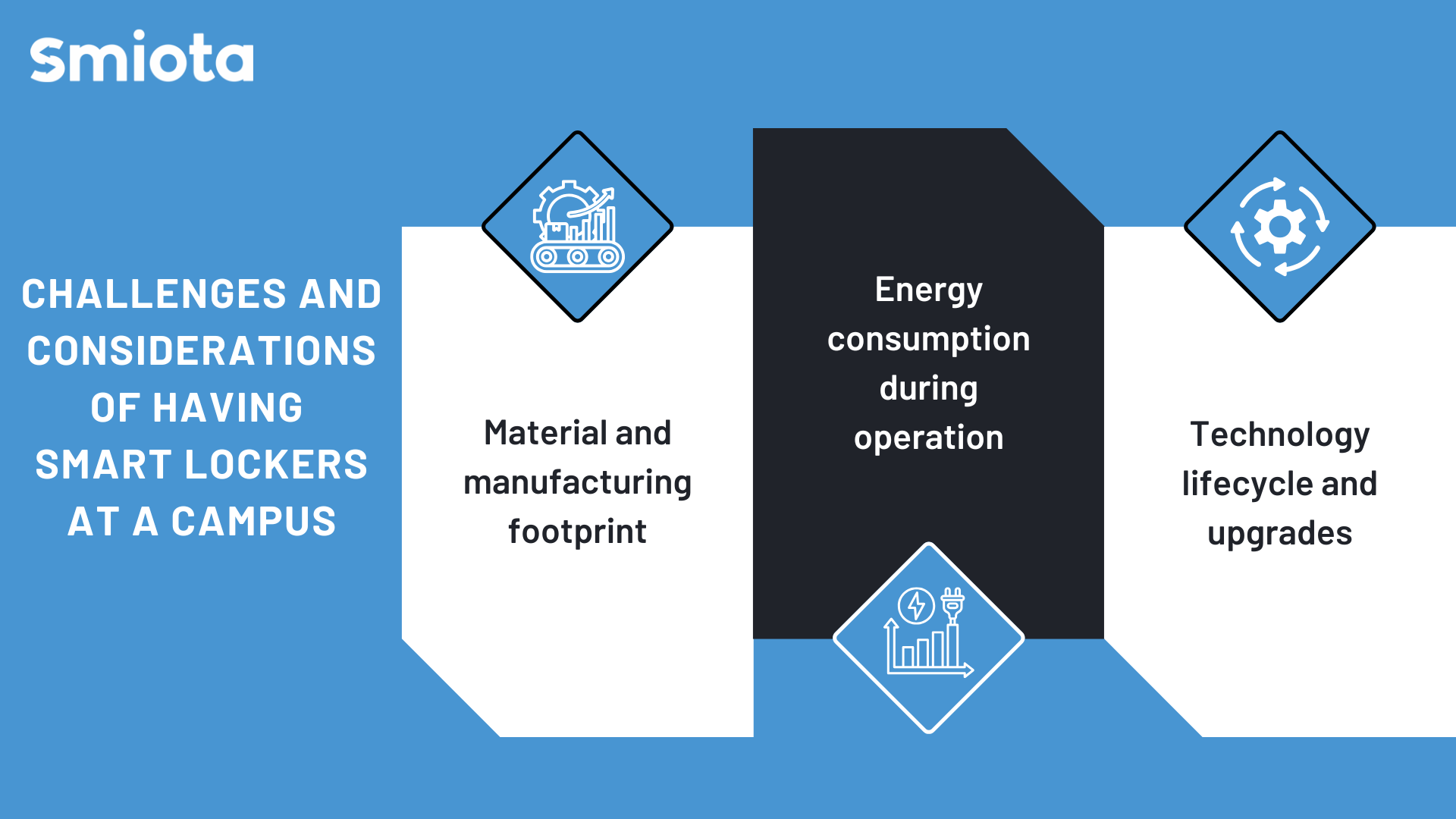
Like any infrastructure investment, smart lockers come with their own set of challenges. The key is not to overlook them, but to address them thoughtfully so sustainability goals remain intact from day one.
- Material and manufacturing footprint:
Manufacturing locker systems requires raw materials and energy, which can raise concerns about environmental impact. This can be mitigated by choosing lockers made from durable, recyclable materials and designs built for long-term use, reducing the need for frequent replacements.
- Energy consumption during operation:
Smart lockers rely on power for connectivity, access control, and notifications. Using energy-efficient components, low-power systems, and integrating lockers with renewable energy sources or energy-efficient campus grids helps significantly lower ongoing energy consumption.
- Technology lifecycle and upgrades:
Like all technology, smart lockers require maintenance, updates, and eventual upgrades. Opting for modular, scalable systems allows universities to upgrade individual components rather than replace entire units, extending the system’s lifecycle and minimizing waste.
When universities plan for these considerations early and view smart lockers as long-term infrastructure rather than quick fixes, the sustainability benefits far outweigh the initial footprint, making lockers a truly responsible investment for greener campuses.
Conclusion
Sustainable campuses are built through a series of practical, everyday decisions. Smart lockers play a powerful role in this journey by reducing waste, optimizing delivery logistics, and enabling sharing and reuse across campus communities. What might seem like a small infrastructure upgrade can create a ripple effect across sustainability goals, student behavior, and operational efficiency.
More importantly, smart lockers show how technology and sustainability can work together in meaningful ways. They are not just about convenience or efficiency. They represent smarter campus planning that aligns operational needs with long-term environmental responsibility.
Solutions like Smiota’s smart lockers are designed with this balance in mind. Built for durability, scalability, and real campus use cases, Smiota lockers help universities reduce unnecessary deliveries, prevent resource loss, and support circular practices, all while improving the day-to-day experience for students and staff.
As universities rethink how they manage resources, cut emissions, and engage students in sustainability efforts, smart lockers deserve a place in the conversation. Not as an add-on, but as a strategic investment in building greener, more resilient campuses for the future. Talk to us today to explore how you can use Smiota lockers to accelerate your sustainability goals.
The post Sustainable Campuses: How Smart Lockers Reduce Waste and Carbon Footprints appeared first on Smiota.
]]>The post How Smart Lockers Support Student Entrepreneurs on Campus appeared first on Smiota.
]]>These student entrepreneurs are ambitious, creative, and resourceful but they’re also constrained. Limited space, tight schedules, lack of infrastructure, and constant time pressure shape their everyday reality. While universities actively encourage entrepreneurship through incubators, clubs, and funding programs, one critical gap often goes unnoticed: operational support.
This is where Smart Lockers step in, not as flashy startup tools, but as practical enablers that quietly remove friction from a student entrepreneur’s day.
The Reality of Being a Student Entrepreneur
Before we talk about solutions, it’s important to understand the challenges faced by young entrepreneurs on campus. These challenges are not about ideas or motivation. They’re about execution.
Most student founders don’t have offices, warehouses, or fixed working hours. They operate between lectures, exams, part-time jobs, and hostel curfews. A typical day might include attending classes in the morning, packaging orders in the afternoon, and coordinating deliveries late at night.
Some of the most common challenges faced by entrepreneurs at the student level include inconsistent access to storage, difficulty managing deliveries and returns, lack of secure spaces to store inventory or equipment, and dependence on friends or roommates to receive packages. Even something as simple as missing a courier delivery can derail a tight schedule.
When these small inefficiencies add up, they drain energy that could otherwise go into building the business.
Why Campus Infrastructure Matters More Than Ever
Universities have traditionally focused on academic infrastructure: classrooms, labs, libraries, and hostels. But as entrepreneurship becomes a core part of campus life, infrastructure needs to evolve too.
For student entrepreneurs, the campus itself becomes their operational base. It’s where they live, work, meet collaborators, and interact with customers or vendors. Having access to shared, flexible infrastructure can significantly lower the barrier to building something real.
University smart lockers are emerging as one such piece of infrastructure, quietly supporting student-led businesses without demanding extra effort from university administrators.
Smart Lockers as a Backbone for Campus-Based Businesses
At first glance, lockers may seem like a simple storage solution. But smart lockers for university campuses are far more than that. They combine secure access, automation, and flexibility, making them especially valuable for students running businesses.
For a student entrepreneur, smart lockers can act as a mini logistics hub right on campus. Inventory, tools, documents, or even customer orders can be stored securely and accessed at any time. This removes the dependency on roommates, reception desks, or limited office hours.
More importantly, smart lockers allow students to operate professionally, even when they’re working out of a dorm room.
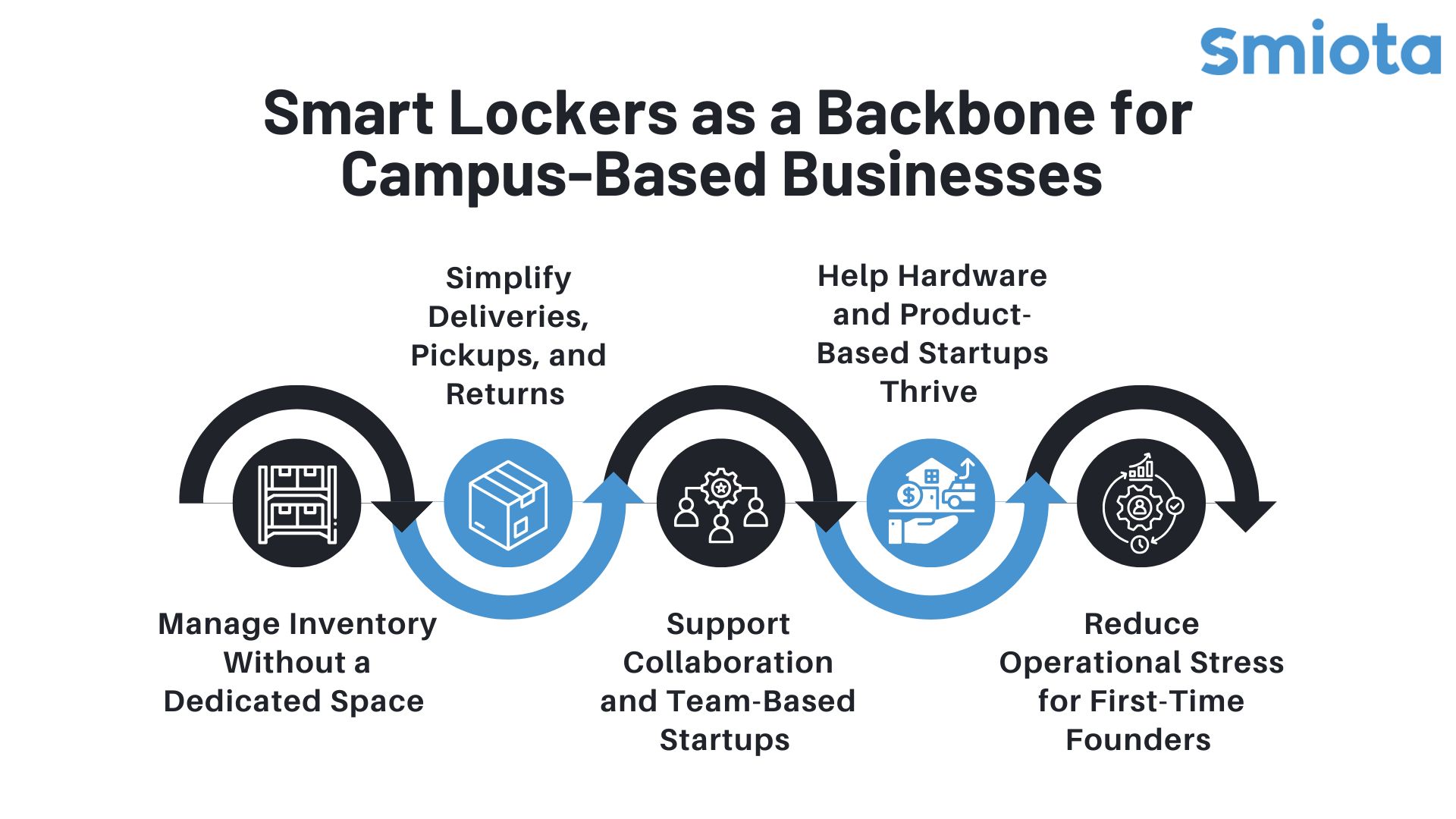
1. Manage Inventory Without a Dedicated Space
One of the biggest pain points for student founders is storage. Whether it’s apparel stock, handmade products, electronics, or marketing materials, inventory needs space and hostels rarely offer enough of it.
With Smart Lockers, student entrepreneurs gain access to secure, shared storage without renting external space. They can store products safely on campus, access them when needed, and scale up or down depending on demand.
This flexibility is especially valuable during peak seasons like fest sales, college events, or exam breaks when business activity fluctuates.
2. Simplify Deliveries, Pickups, and Returns
Deliveries are another operational hurdle. Couriers don’t align with class schedules, and hostel reception desks often have limited hours or strict rules. Missed deliveries can mean delayed orders, unhappy customers, and lost revenue.
University smart lockers solve this problem by enabling contactless, 24/7 package handling. Student entrepreneurs can receive raw materials, packaging supplies, or customer returns directly into lockers without being physically present.
They can also leave outgoing orders in lockers for scheduled pickups, reducing the need to wait around or coordinate handovers. This small change saves hours every week, time that matters deeply to students balancing multiple commitments.
3. Support Collaboration and Team-Based Startups
Many student startups are not solo ventures. They involve co-founders, designers, marketers, and developers working around unpredictable schedules.
Smart lockers become a neutral collaboration point. Team members can drop off samples, documents, devices, or marketing materials for others to collect later. No constant coordination. No missed handovers.
For student teams working late nights or across different buildings, this kind of asynchronous collaboration removes unnecessary stress and keeps momentum going.
Also read: 10 Ways Smart Lockers Are Transforming Campus and Community Engagement
4. Help Hardware and Product-Based Startups Thrive
Not all student startups are digital. Many campuses are seeing a rise in hardware innovators, product designers, and makers experimenting with physical prototypes.
These students often face unique challenges: where to store prototypes, how to control access, and how to avoid damage or loss. Smart lockers provide a secure environment for storing sensitive equipment or early-stage products.
For universities that encourage innovation labs and maker spaces, smart lockers extend those facilities beyond fixed hours, giving students greater freedom to experiment.
5. Reduce Operational Stress for First-Time Founders
The challenges faced by young entrepreneurs are not just logistical, they’re more than that. Running a business for the first time is overwhelming. Every small obstacle feels bigger when experience is limited and margins are tight.
By removing friction from daily operations, Smart Lockers indirectly reduce stress. Students don’t have to worry about missing deliveries, losing inventory, or coordinating access. That mental bandwidth can then be redirected toward learning, creativity, and growth.
This kind of support may not show up in pitch decks, but it makes a real difference in sustaining student-led ventures.
A Campus That Encourages Entrepreneurship in Practice
Many universities talk about fostering entrepreneurship, but students judge support by what actually helps them day to day. Infrastructure like smart lockers for university campuses sends a clear signal: the institution understands how students build businesses in real life.
It shows that entrepreneurship is not just an extracurricular activity, but a lived experience supported by practical systems. This strengthens the university’s innovation culture and makes the campus more attractive to future students.
Why Smart Lockers Fit Naturally into University Ecosystems
One of the reasons smart lockers work so well on campuses is that they don’t disrupt existing systems. They integrate quietly into student life, near hostels, libraries, innovation hubs, or common areas.
They support multiple use cases simultaneously: parcel management, storage, collaboration, and resource sharing. This versatility makes Smart Lockers a long-term investment rather than a niche solution.
For student entrepreneurs, that means access to professional-grade infrastructure without extra cost or complexity.
Why Smiota Smart Lockers Make a Difference
Not all locker systems are designed for the complexity of university environments. Campuses require flexibility, scalability, and ease of use, and this is where Smiota stands out.
Smiota Smart Lockers are built to support diverse campus workflows, including the evolving needs of student entrepreneurs. They offer modular designs that adapt to different spaces, secure access control for peace of mind, and centralized management that makes life easier for administrators.
For students, Smiota lockers feel intuitive and dependable. For universities, they become shared infrastructure that supports innovation without additional operational burden.
Conclusion: Empowering the Next Generation of Builders
Student entrepreneurs are shaping the future long before graduation. They are learning by doing, building by failing, and growing by navigating real-world constraints. The role of universities is not just to inspire them, but to support them in tangible ways.
University smart lockers may not grab headlines, but they quietly remove friction from the entrepreneurial journey. They help students manage inventory, streamline deliveries, collaborate better, and operate with confidence.
By deploying Smiota Smart Lockers, universities create an environment where ideas don’t stall because of logistics. They give student entrepreneurs the space, flexibility, and support they need to focus on what truly matters, building something meaningful.
And sometimes, that’s all it takes to turn a campus idea into a real business. Contact us today to make your campus startup-friendly.
The post How Smart Lockers Support Student Entrepreneurs on Campus appeared first on Smiota.
]]>The post Beyond Packages: Multi-Department Uses for Campus Lockers appeared first on Smiota.
]]>This is where campus lockers, especially smart lockers, are quietly transforming how universities function.
While most people associate lockers on campus with parcel deliveries, modern university lockers go far beyond packages. When deployed strategically, they become shared infrastructure that multiple departments can use improving efficiency, security, and user experience across the board.
Let’s explore how campus lockers can serve different university departments and why smart locker systems are becoming a must-have for future-ready campuses.
The Shift from Traditional Lockers to Smart Campus Infrastructure
Traditional lockers served one purpose: static storage. They required keys, manual allocation, and constant supervision. Once assigned, they stayed locked to one person for an entire semester or year, whether they were used or not.
Smart lockers flip this model completely.
With digital access, real-time tracking, centralized dashboards, and flexible usage, smart lockers transform into shared, on-demand infrastructure. Instead of belonging to one person, lockers now belong to the campus, available to whoever needs them, whenever they need them.
This shift allows universities to unlock value far beyond mailrooms and parcel management.
Uses of Campus Lockers Beyond Traditional Storage
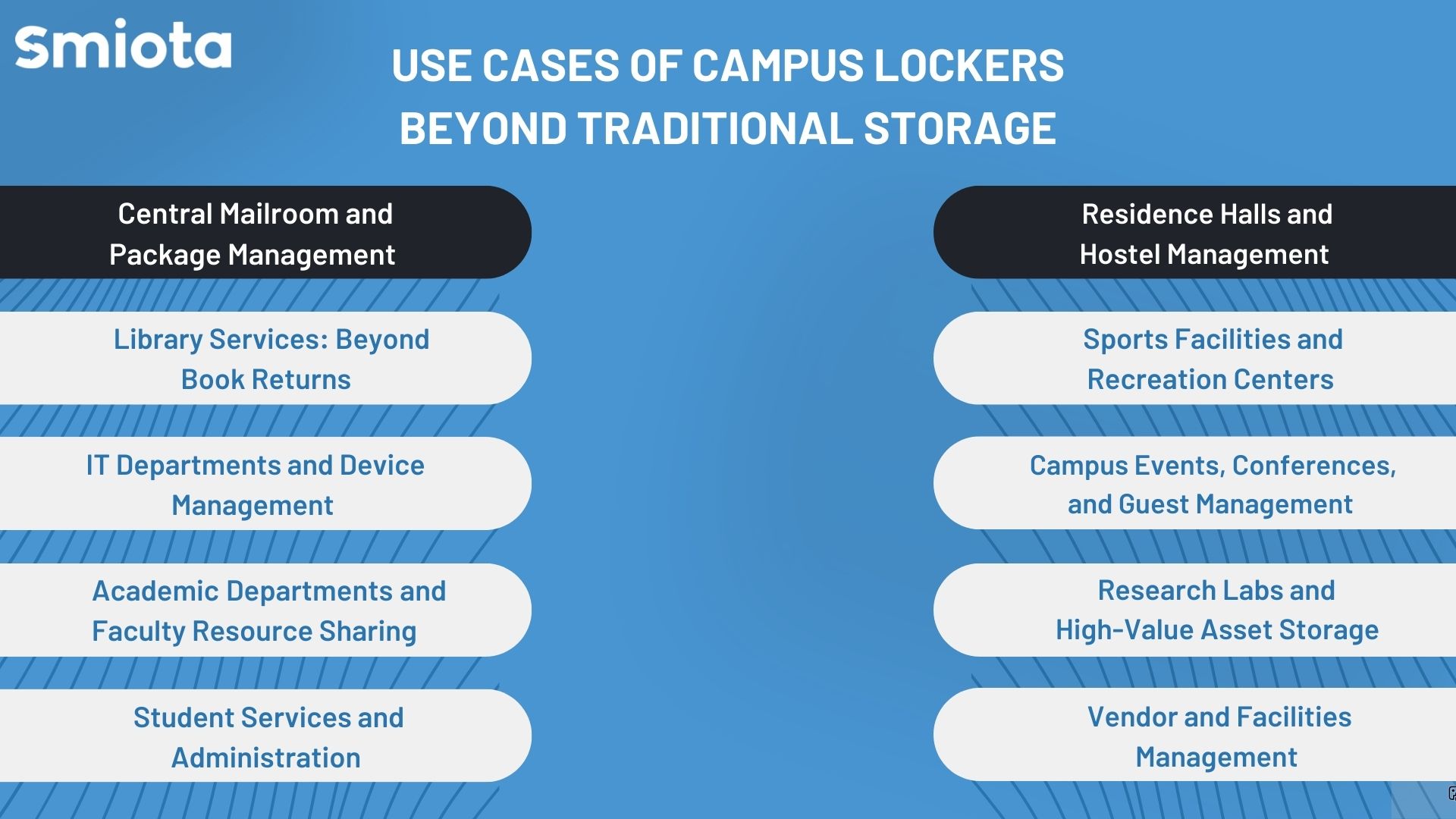
1. Central Mailroom and Package Management
Let’s start with the most obvious and widely adopted use case.
University campuses receive thousands of packages daily, online shopping orders, academic materials, lab supplies, personal deliveries, and vendor shipments. Managing these manually creates bottlenecks, misplaced parcels, and frustrated students.
By deploying campus lockers for package management, universities can:
- Enable 24/7 self-service parcel pickup
- Reduce staff workload at mailrooms
- Eliminate lost or delayed packages
- Improve student satisfaction instantly
Smart lockers notify recipients automatically, track every pickup, and ensure only authorized users access their items. But this is just the beginning.
2. Library Services: Beyond Book Returns
Libraries are evolving too. They are no longer silent reading spaces, they are collaborative hubs with digital resources, devices, and extended hours.
University lockers can support libraries in several ways:
- Contactless book pickup and returns
- Reserved textbook distribution
- Laptop, tablet, and device lending
- Secure storage for inter-library transfers
Students no longer need to rush during limited library hours. Faculty can distribute reference materials securely, and library staff can manage circulation more efficiently without overcrowded counters. Smart lockers help libraries extend their services without extending staffing hours.
3. IT Departments and Device Management
Every campus IT team knows the pain of managing shared devices, laptops, tablets, chargers, routers, projectors, and accessories. Tracking who borrowed what, when it was returned, and whether it’s damaged can become a nightmare.
With smart lockers, IT departments can automate device check-in and check-out, track usage and availability in real time, reduce device loss and manual logging, and enable after-hours access for students and staff.
- Students can collect pre-booked devices using secure authentication, and IT teams get full visibility without standing behind a desk all day.
Also read: Using Smart Lockers for IT Asset Management
4. Academic Departments and Faculty Resource Sharing
Many academic departments handle physical resources, lab kits, instruments, course materials, models, and documents. Sharing these resources often involves emails, paper logs, or in-person handovers.
Campus lockers offer a smarter alternative.
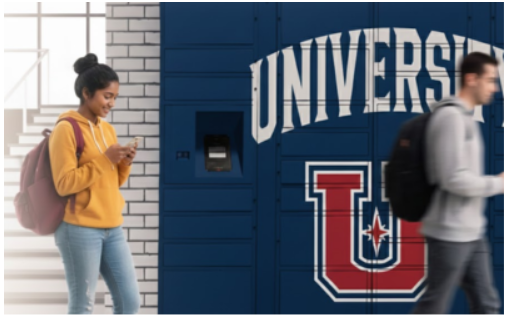
Departments can use campus lockers to distribute lab equipment for scheduled sessions, share department-owned tools across batches, store confidential academic documents, and enable faculty-to-student handoffs without face-to-face dependency.
- This approach reduces administrative friction and ensures accountability without micromanagement.
5. Student Services and Administration
Student services offices deal with a wide range of items such as ID cards, certificates, transcripts, forms, uniforms, welcome kits, and exam-related documents. Managing queues and appointment-based pickups slows everything down.
By integrating university lockers into student services, campuses can:
- Offer secure document pickup outside office hours
- Reduce queues during peak periods
- Ensure privacy and traceability
- Improve service delivery without expanding office space
Students appreciate flexibility, and administrative teams gain breathing room.
6. Residence Halls and Hostel Management
Hostels and residence halls operate like micro-campuses within the larger campus ecosystem. From maintenance tools to shared appliances, lost-and-found items to personal storage needs, hostel management requires constant coordination.
Smart lockers enable temporary storage for student belongings, secure storage for appliances, sports gear, and books, maintenance staff tool distribution, and efficient lost-and-found item management.
- For students, this means fewer disputes and safer storage. For administrators, it means smoother operations and better asset control.
7. Sports Facilities and RecreationCenters
University gyms, sports complexes, and recreation centers see high footfall every day. Managing day-use lockers, equipment lending, and staff coordination can be challenging.
Smart lockers allow:
- Day-use lockers without physical keys
- Automated sports equipment distribution
- Secure staff-only storage
- Reduced congestion at reception desks
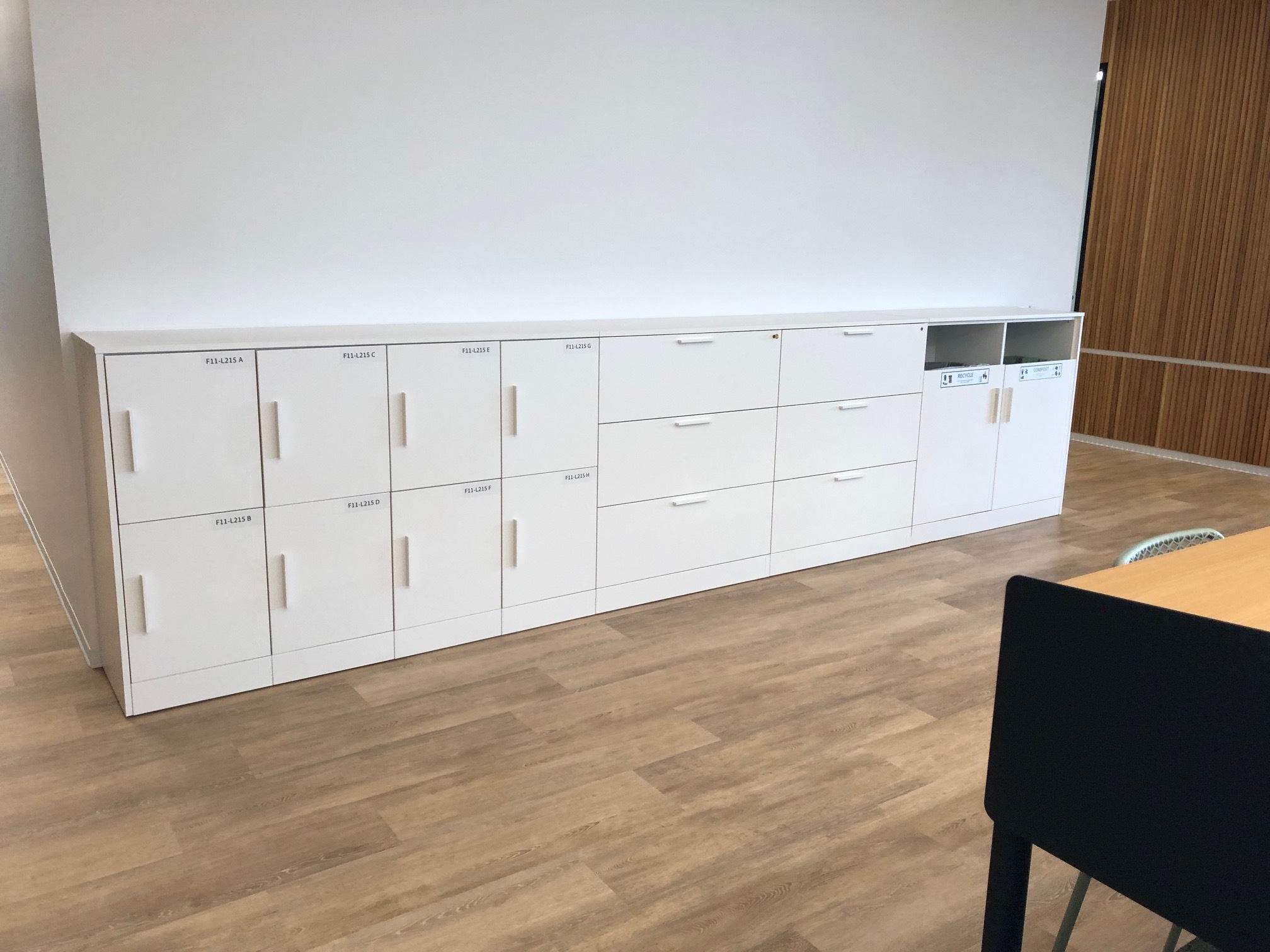
With smart access and usage logs, sports facilities become more efficient and user-friendly.
8. Campus Events, Conferences, and Guest Management
Universities frequently host conferences, workshops, alumni meets, and cultural festivals. Managing event kits, badges, merchandise, and speaker materials requires temporary but secure storage. Campus lockers support event material distribution, secure guest access without staff supervision, and post-event returns with inventory tracking. This is especially useful for large campuses hosting multi-day events.
9. Research Labs and High-Value Asset Storage
Research departments often deal with sensitive equipment, prototypes, samples, and documents. Traditional storage rooms don’t always provide traceability or controlled access.
Smart lockers offer controlled access to high-value assets, audit trails for compliance, reduced risk of loss or misuse, and secure storage to support cross-department collaboration. For research-intensive universities, this adds a strong layer of operational discipline.
10. Vendor and Facilities Management
Vendors, maintenance teams, and service providers operate on different schedules. Coordinating access to tools, spare parts, and consumables can slow down response times.
With smart lockers, campuses can enable vendor pickups without supervision, store maintenance supplies securely, track usage across departments, and reduce downtime during repairs. Facilities teams gain speed without compromising security.
Why Smart Lockers Make Sense for Modern Campuses
The true value of smart lockers lies in their flexibility. Unlike traditional storage systems that serve a single purpose or department, smart lockers function as shared campus infrastructure that adapts to changing needs. A locker that handles parcels in the morning can just as easily store IT equipment in the afternoon or academic resources in the evening. This ability to serve multiple workflows from one system makes smart lockers a natural fit for modern university environments.
Smart lockers also significantly reduce the dependency on manual processes. Campuses no longer need staff to manage handovers, maintain paper logs, or supervise access throughout the day. Automated access control and real-time tracking ensure accountability while freeing up administrative teams to focus on higher-value tasks. For students and faculty, this translates into faster access, fewer delays, and the freedom to collect or return items on their own schedules.
Beyond convenience, smart lockers align closely with the digital transformation goals many universities are actively pursuing. They support contactless interactions, generate usage data that can inform better planning, and contribute to sustainability by reducing unnecessary travel, paper usage, and duplicated infrastructure. Smart lockers bring together efficiency, security, and user experience into one scalable solution that grows with the campus.
Why Universities Choose Smiota Smart Lockers
When universities invest in smart locker systems, they are not just choosing hardware; they are choosing a long-term operational partner. Smiota understands that campuses are complex ecosystems with diverse departments, fluctuating demands, and strict security requirements. That understanding is reflected in how Smiota designs its smart locker solutions to be modular, adaptable, and campus ready.
Whether lockers are deployed in libraries, hostels, IT departments, or administrative offices, they maintain consistent user experiences while supporting different use cases behind the scenes. Administrators gain centralized visibility and control, while students and staff enjoy intuitive, frictionless access.
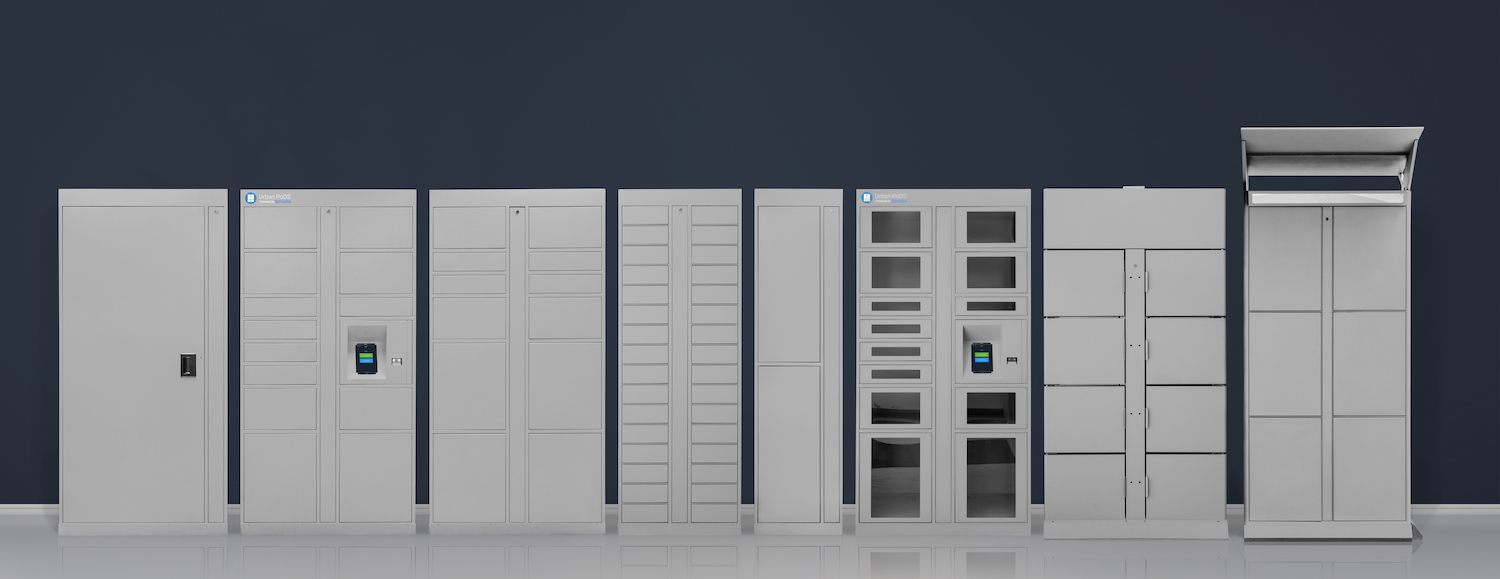
Scalability is another reason universities choose Smiota. Campuses evolve, student populations grow, and new departments emerge. Smiota lockers are built to expand across buildings and functions without disrupting ongoing operations. With robust security, real-time monitoring, and the flexibility to support multiple departments through a single system, Smiota enables universities to move beyond isolated solutions and build a truly connected campus infrastructure.
Get in touch with us today to explore how smart lockers can enhance the operations of your university campus.
Final Thoughts
Campus lockers are no longer just about packages. They are becoming shared infrastructure that supports learning, collaboration, administration, and campus life as a whole.
From libraries and IT departments to hostels, sports facilities, and research labs, university lockers unlock efficiency across every corner of the campus. And when powered by smart technology, they transform everyday operations into seamless experiences.
For universities looking to future-proof their campuses, reduce operational friction, and improve student satisfaction, investing in Smiota smart lockers isn’t just a convenience, it’s a strategic move.
Because when one smart system can support every department, the entire campus moves forward together.
The post Beyond Packages: Multi-Department Uses for Campus Lockers appeared first on Smiota.
]]>The post Solving Campus Hunger with Smart Food Lockers: A Scalable, Dignified Solution appeared first on Smiota.
]]>This silent crisis impacts far more students than many realize. In fact, nearly half of all community college students and 39% of students’ overall report experiencing food insecurity. These statistics reveal a harsh truth: hunger on campus is systemic, not marginal. And the consequences—physical, emotional, and academic—are severe.
Traditional solutions like on-campus food pantries, while important, don’t always meet student needs. They often come with limited hours, long lines, and, unfortunately, stigma. But what if we could use technology to turn the tide?
Enter smart food lockers—a scalable, 24/7, discreet solution that offers students nourishment with dignity. By integrating automation, refrigeration, and contactless pickup, smart lockers meet students where they are—literally and figuratively. More than just a tech fix, they represent a new philosophy.
The Data Behind Campus Hunger
Food insecurity is no longer an isolated issue—it’s a systemic crisis with widespread academic and emotional implications. Let’s look at the numbers:
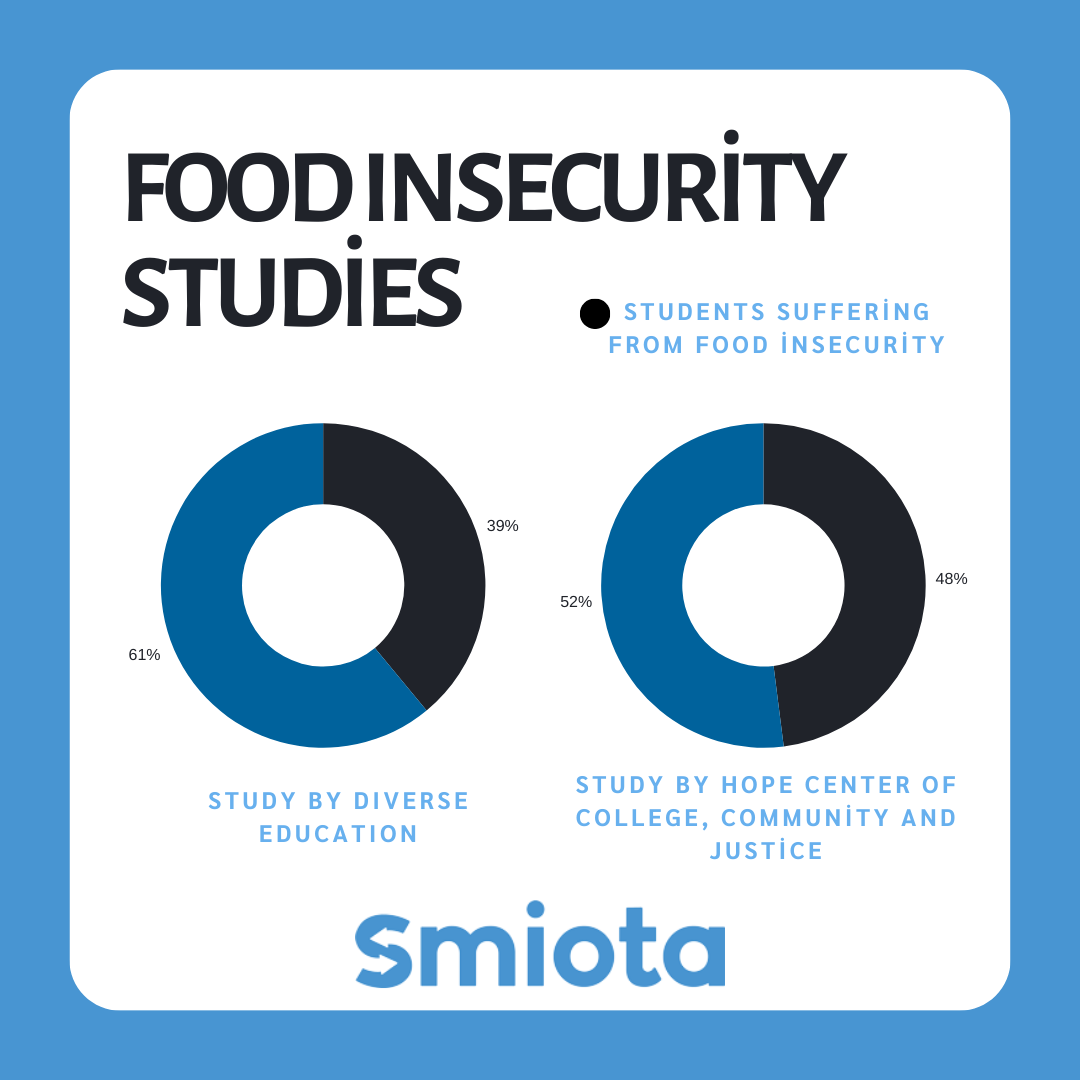
- 39% of college students report being food insecure (Diverse Study)
- 48% of community college students face food insecurity (The Hope Center)
- Hungry students are 43% less likely to graduate on time
But the problem runs deeper than just missed meals. Students facing hunger are significantly more likely to experience:
- Chronic stress, anxiety, and depression
- Sleep deprivation and fatigue
- Frequent illnesses
- Lower academic performance and concentration
These ripple effects don’t stop at individual students. Institutions suffer too—retention rates drop, graduation timelines extend, and the overall reputation of colleges and universities can be impacted when students struggle to meet basic needs.
If we want our campuses to be places of opportunity and achievement, we must address food insecurity head-on. And that means reimagining how food assistance is delivered.
How Smart Food Lockers Work
Smart food lockers are automated, temperature-controlled storage units that securely hold pre-packed meals, groceries, or hygiene products. The process is simple and student-friendly:
- Students place a request for food assistance through an app, website, or text message.
- They receive a secure code—a QR or numeric code for pickup.
- They access the locker at their convenience, 24/7, using the code.
- They retrieve their items discreetly—no staff interaction, no waiting in lines.
Key functional benefits include:
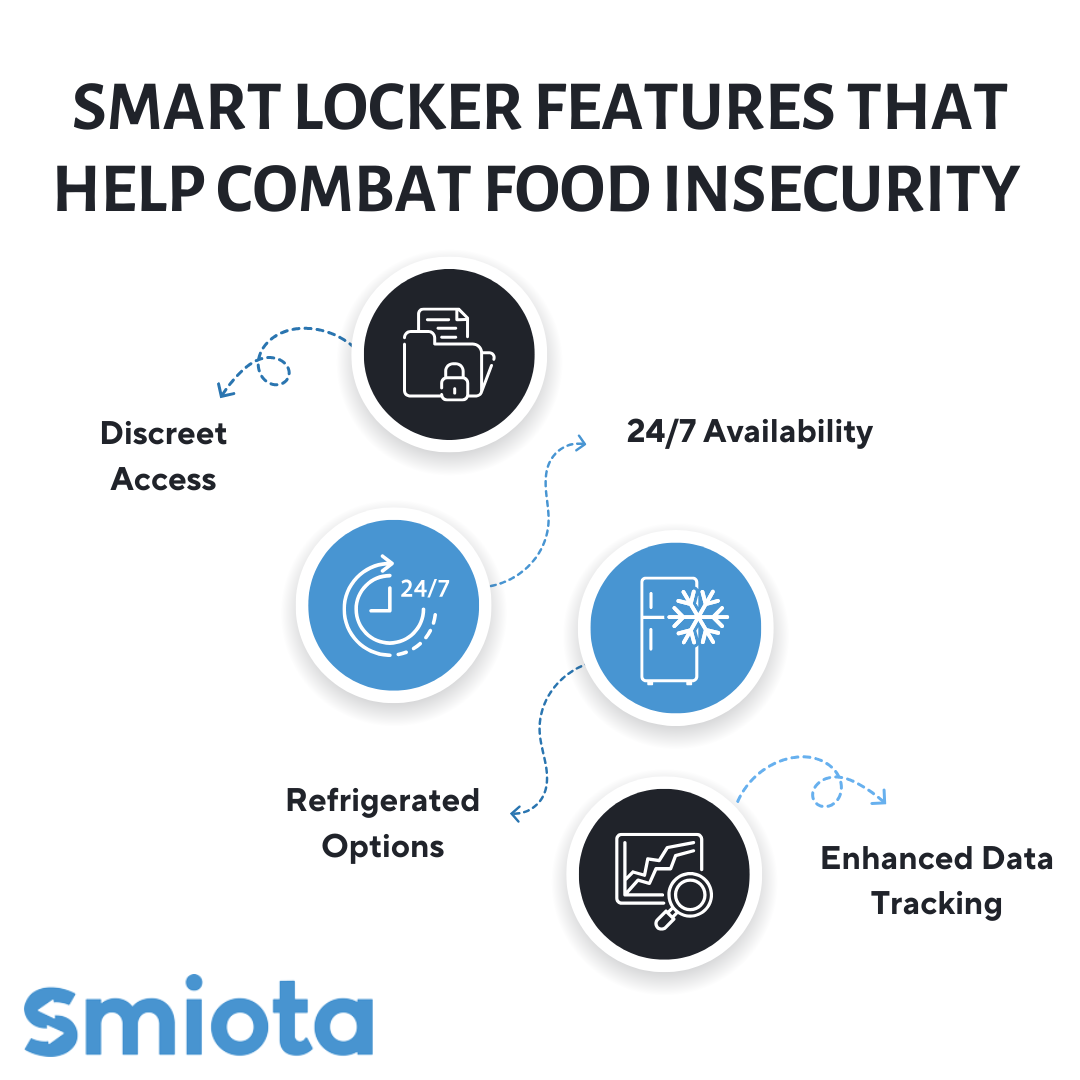
- Discreet Access: The locker pickup process is private, helping students avoid stigma and discomfort.
- 24/7 Availability: Supports students with late-night classes, jobs, or non-traditional schedules.
- Refrigerated Storage: Keeps fresh items—dairy, produce, or ready-to-eat meals—safe and usable.
- Inventory Tracking: Campus administrators can monitor locker usage to optimize stock and identify trends.
It’s a model built for the modern student—tech-integrated, respectful of privacy, and deeply effective.
Integration with Campus Services
Smart lockers are not a standalone solution. Their true power lies in how they integrate with broader campus support systems:
- Campus Food Pantries: Lockers act as after-hours extensions, allowing students to pick up food at their own convenience.
- Emergency Aid Programs: Students facing sudden financial hardship can get rapid access to food—without paperwork delays.
- Meal Swipe Donations: Dining halls can convert unused meal swipes into boxed meals, stocked into lockers for those in need.
This seamless integration allows campuses to amplify existing support without straining resources. Plus, it helps break down silos between departments—housing, health, dining, and financial aid can all coordinate to better serve students through locker-based systems.
Strategic Placement for Maximum Impact
Where smart lockers are placed can make or break their effectiveness. Strategic placement ensures that students don’t have to jump through logistical hoops just to get a meal. Ideal locations include:
- Dormitories and Residence Halls: Perfect for students who may not feel comfortable seeking help publicly.
- Libraries and Study Areas: Helps students grab food discreetly during late-night study sessions.
- Student Centers and Health Clinics: Centralizes wellness support—mental, physical, and nutritional.
- Outside Dining Halls: Provides an easy overflow solution during high-volume mealtimes or off-hours.
The key is accessibility. By placing lockers in high-traffic, student-centric zones, institutions can remove the transportation and scheduling barriers that often stand between students and nourishment.
Changing the Food Access Narrative
For years, food assistance on campuses has carried a social stigma. Despite needing help, many students avoid using food pantries or aid programs out of fear of being judged or singled out. This cultural barrier turns food insecurity from a solvable problem into a silent burden.
Smart lockers flip the script. They provide:
- Flexible pickup: Students choose when and where to collect food, avoiding lines and rigid hours.
- Mobile-first convenience: Lockers work through apps or texts, fitting seamlessly into students’ tech-driven routines.
- Stigma-free access: Self-serve, discreet pickup normalizes help-seeking and preserves student dignity.
This evolution from charity-based aid to empowerment-based systems is critical. It fosters a more inclusive campus culture where receiving support is seen not as weakness, but as a smart, responsible choice.
Future-Proofing Food Assistance with Tech and Partnerships
Smart food lockers aren’t just a quick fix—they’re a future-ready infrastructure that grows with student needs and strengthens campus support systems. Their modular, tech-enabled nature makes them highly scalable and adaptable, ensuring that institutions can stay responsive in the face of rising demand or shifting student demographics. They can:
- Add more lockers to high-demand locations
- Use data insights to monitor pickup rates, expiration trends, and inventory gaps
- Automate stock rotation, prioritizing soon-to-expire items to reduce food waste
Beyond tech features, smart lockers also serve as powerful connection points for cross-sector partnerships that extend campus resources without overstretching internal budgets. These systems also unlock powerful partnership opportunities:
- Food Banks: Supply excess inventory or meal kits directly to locker systems
- Grocery Stores: Offer discounted fresh goods and hygiene products for distribution
- Nonprofits and Community Groups: Add supplementary support items—like school supplies or personal care kits
This ecosystem-driven approach does more than distribute food—it wraps students in a network of care. It positions the campus as a holistic wellness hub, combining technology, community support, and operational efficiency to ensure no student must choose between hunger and their education.
Environmental and Operational Efficiency
While smart food lockers directly support student well-being, they also deliver significant environmental and operational advantages for campuses. Beyond the human benefits, smart lockers support broader campus goals:
- Sustainability: Real-time inventory tracking reduces food spoilage and waste by prioritizing soon-to-expire items and matching supply with demand. This supports eco-friendly purchasing and waste reduction goals.
- Lower Operational Burden: Automation eases the pressure on understaffed food programs by minimizing the need for manual distribution, enabling 24/7 access without added labor.
- Smarter Use of Donations: Detailed usage data ensures donated items are stocked efficiently and reach students in time, maximizing their impact.
By combining technology with thoughtful planning, smart lockers help campuses serve students, protect resources, and support sustainability.
Conclusion: Smart Lockers as a Pillar of Student Support
Campus hunger isn’t just a student issue—it’s an institutional one. It affects grades, graduation rates, mental health, and overall campus culture. And while traditional food programs have tried to help, today’s reality demands a more flexible, tech-forward approach.
Smart food lockers offer that solution. They provide dignity, discretion, and 24/7 access—all while leveraging data and partnerships to scale support efficiently. In doing so, they reframe food assistance from a matter of charity to one of empowerment.
By investing in this infrastructure, colleges make a powerful statement: that every student deserves nourishment, opportunity, and the freedom to succeed—no matter their financial background. Smart food lockers are more than just convenient—they’re a necessary evolution in the fight against campus hunger.
The post Solving Campus Hunger with Smart Food Lockers: A Scalable, Dignified Solution appeared first on Smiota.
]]>The post 10 Ways Smart Lockers Are Transforming Campus and Community Engagement appeared first on Smiota.
]]>From celebrating student milestones to enabling secure document exchanges and supporting sustainability efforts, smart lockers are becoming a vital part of university smart technology infrastructure. Below, we explore 10 powerful ways smart lockers are enhancing campus and community engagement, turning routine transactions into opportunities for connection, support, and innovation.
1. Creating Personalized Student Experiences
In an era where personalization defines great service, campuses are using smart lockers to make students feel seen, valued, and included. Gone are the days when lockers were dull, utilitarian boxes. Today’s smart lockers come equipped with digital screens, themed designs, and dynamic configurations that support emotional engagement.
Imagine a student receiving a birthday message or a congratulatory note for acing a difficult exam via a locker interface. These “celebration lockers” can be programmed to display custom visuals, music, or lights during special occasions. Student clubs and project teams can also request themed lockers for their gear or collaborative tools—creating a sense of ownership and identity.
By embedding personalization into a previously transactional tool, universities can deepen students’ sense of belonging and recognition across campus life.
2. Reducing Stress with Automated Package Management
Campus life comes with its share of daily stressors—navigating tight schedules, managing workloads, and finding time for self-care. Smart lockers alleviate one of the most overlooked yet persistent headaches: package pickup.
Whether it’s online shopping, textbooks, borrowed lab equipment, or sports gear, students can retrieve their items securely and on their own time. Smiota’s smart locker solutions for campuses offer 24/7 contactless access, meaning students no longer have to race to the mailroom during limited hours or stand in long lines.
This system doesn’t just bring convenience—it brings peace of mind. With automated notifications, secure storage, and zero human interaction required, package management becomes seamless and worry-free.
3. Keeping Parents Connected from Afar
Leaving home for college doesn’t mean leaving love behind. Smart lockers offer parents a way to remain actively involved in their child’s journey—even from hundreds or thousands of miles away.
Care packages filled with snacks, personal notes, study tools, or a favorite hoodie can now be delivered securely via smart lockers. Scheduled drop-offs, delivery tracking, and real-time notifications ensure that packages arrive safely and on time. The result? A tangible, comforting link between students and their families.
In an age where digital communication often dominates, these real-world gestures enabled by smart locker technology allow for more emotional, lasting connections.
4. Supporting International Student Integration
For international students, transitioning to campus life in a new country can be both exciting and daunting. From language barriers to logistics challenges, every bit of support makes a difference—and smart lockers are stepping in to help.
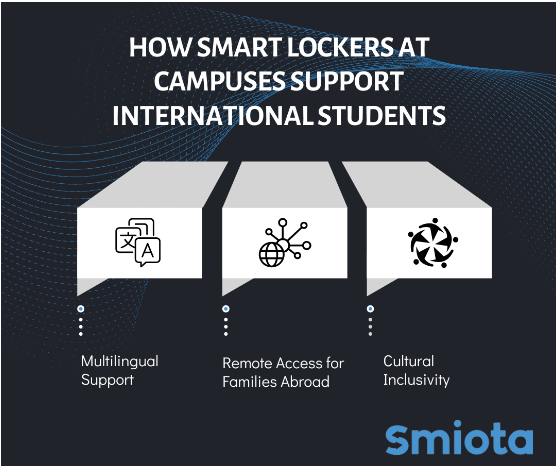
With multilingual interfaces and intuitive UX design, international students can easily navigate locker systems, retrieve packages from family abroad, and receive important onboarding materials like visa documents or housing assignments. Some universities even use smart lockers to recognize international holidays, using themed visuals or messages to celebrate cultural diversity.
These thoughtful features go a long way in creating a welcoming and inclusive environment, easing the transition for students and helping them feel like they truly belong.
5. Seamless Integration with University Systems
Modern campuses are powered by interconnected ecosystems, and smart lockers fit right in. Rather than operating as standalone tools, they integrate seamlessly with a range of university platforms—from student ID apps and learning management systems to event registration and notification tools.
This integration allows for enhanced functionality: students can receive automatic alerts for resource pickups, schedule locker use through the campus app, or scan their ID to retrieve equipment. For staff, it simplifies administrative workflows and reduces repetitive tasks.
Ultimately, these connected capabilities allow institutions to deliver a more cohesive, efficient, and user-friendly campus experience.
6. Advancing Campus Sustainability Goals
Sustainability is no longer optional—it’s a priority. Educational institutions are increasingly embracing green initiatives, and smart lockers support these efforts in several meaningful ways.
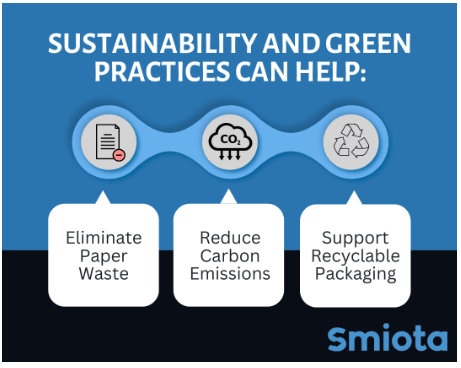
First, by digitizing receipts and communications, lockers reduce paper waste. Second, they consolidate deliveries, lowering transportation-related carbon emissions. Third, many systems—like those offered by Smiota—support solar-powered configurations and energy-efficient operations.
Some campuses even pair lockers with recycling bins or composting stations, turning each locker hub into a mini sustainability center. These combined efforts help institutions meet environmental targets while educating students on responsible consumption and resource use.
7. Optimizing Event and Resource Distribution
University life is filled with events, rentals, and shared resources. Think: class projects, science fair kits, VR headsets, or marathon race packets. Coordinating the distribution of these items can be a logistical nightmare—unless smart lockers are involved.
Locker systems simplify the entire process. Event organizers can preload lockers with items, send out access credentials, and let recipients pick up materials at their convenience. No staffing tables, no long lines, and no confusion.
By removing friction from distribution processes, smart lockers ensure smoother operations while saving time and resources. They also make it easier to scale up participation in campus events and initiatives.
8. Enabling Alumni and Community Engagement
Smart lockers are not limited to student use—they’re powerful tools for bridging campus and community life. Alumni, local organizations, and community members can all benefit from access to locker services.
Universities can use lockers to host donation drives—collecting hygiene kits, clothing, or books. Alumni can send care packages or materials for mentoring programs. Some schools even partner with nonprofits to distribute community resources, such as educational kits or wellness supplies, through locker hubs.
This outward-facing approach transforms smart lockers into tools of service, inclusion, and impact—helping campuses expand their role as community anchors.
9. Promoting Campus Safety and Trust
Security is paramount in any shared space. Smart lockers from providers like Smiota come equipped with advanced safety features that build trust among users and stakeholders.
These include:
- Biometric authentication (fingerprint or facial recognition)
- Time-sensitive one-time PINs
- Encrypted access systems and real-time tracking
- Integrated cameras for visual logs
- Emergency override options for administrative access
Such features protect both physical items and user data, ensuring that lockers are not just convenient, but also highly secure. This peace of mind encourages adoption across the board—from tech-savvy students to cautious parents and administrators.
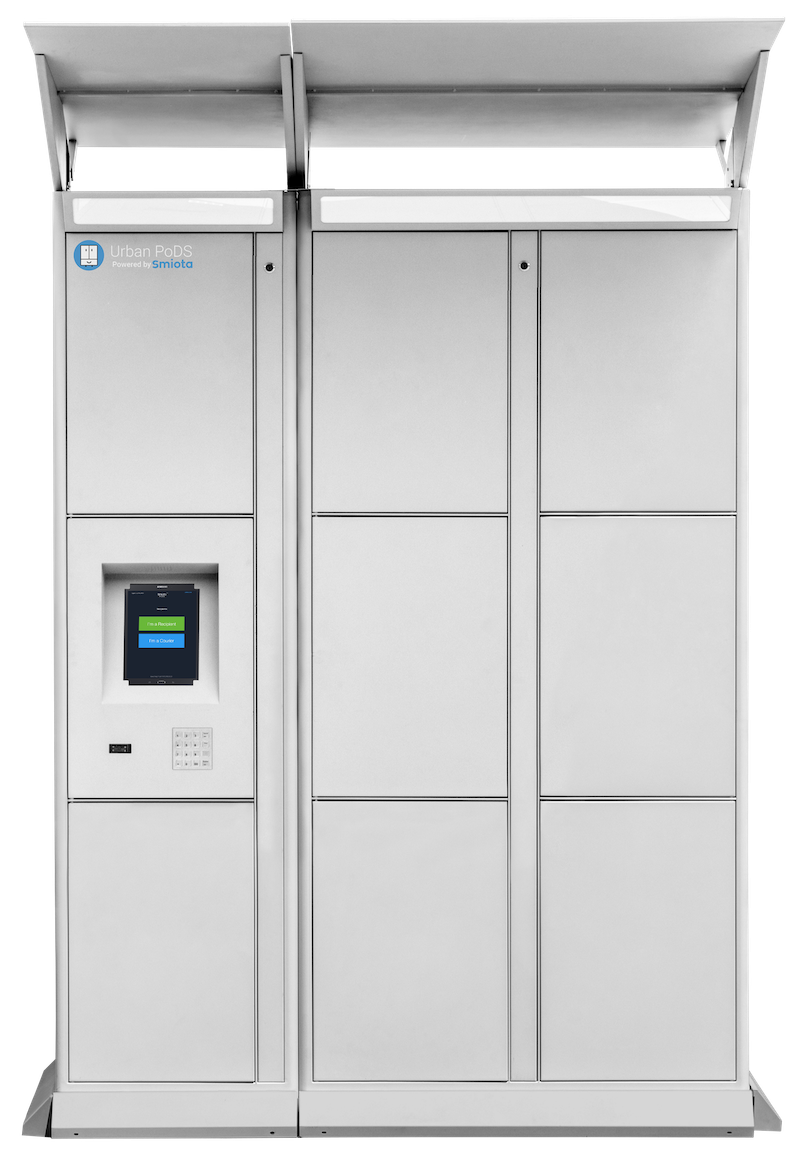
10. Driving Strategic Decisions with Analytics
Behind the scenes, smart lockers generate powerful data. Administrators can track:
- Peak usage hours
- Most accessed locker locations
- Delivery frequency and item types
- Idle or underused lockers
These insights allow campus leaders to make data-driven decisions about locker placement, resource allocation, and infrastructure investment. They also provide a clear return on investment (ROI), making it easier to justify expansions or enhancements.
With this analytical backbone, smart lockers evolve from operational tools to strategic assets.
Conclusion: Smart Lockers as Infrastructure for the Future
From student engagement to community outreach, sustainability to security, smart lockers are proving to be more than just storage units. They’re versatile, intelligent, and emotionally resonant systems that elevate the entire campus experience.
Smiota’s smart locker solutions offer the flexibility, integration, and user-centric design that modern educational institutions need. Whether enabling secure document delivery systems or fostering alumni community engagement tools, smart lockers now play a pivotal role in creating personalized campus locker experiences and future-ready infrastructure.
In short, they’re no longer just about where students pick up packages—they’re about how campuses connect people, deliver value, and build a smarter, more inclusive community.
The post 10 Ways Smart Lockers Are Transforming Campus and Community Engagement appeared first on Smiota.
]]>The post Smart Lockers for Students: Why They’re Essential for the Holiday Season appeared first on Smiota.
]]>The timing couldn’t have been better. As we approach year-end, leading smart locker providers are offering competitive deals and implementation packages, making this an opportune moment for universities to modernize their package management systems. The evolution of smart locker technology has accelerated dramatically, with new features like AI-powered space optimization, contactless access, and integrated mobile apps becoming standard offerings.
For universities still grappling with traditional package management methods, the contrast is stark. The recent surge in e-commerce has overwhelmed many campus mailrooms, leading to package pileups, tracking difficulties, and security concerns. University smart lockers offer a forward-thinking solution to these challenges, providing automated package handling, secure storage, and efficient space utilization – essential features for the modern campus environment.
The Post-Holiday Return: Managing the Package Surge as Students Head Back to Campus
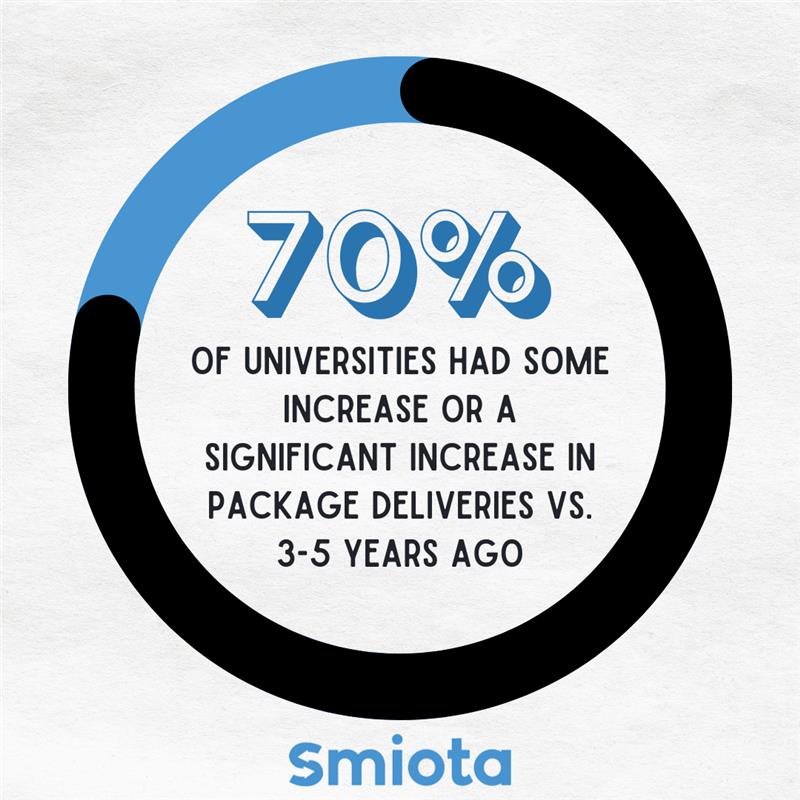
The return to campus after holiday breaks creates a perfect storm of logistics challenges for students. As thousands pour back into dormitories and apartments, they face an overwhelming influx of packages – from holiday gifts that arrived during their absence to new textbooks and supplies ordered for the upcoming semester. This simultaneous return of students and their deliveries often creates chaos in campus mailrooms and leaves students struggling to retrieve their important items.
The challenges extend beyond just package retrieval. Students returning with new holiday gifts and purchases often find themselves short on secure storage space. valuables like new electronics, winter clothing, and expensive textbooks need safe storage solutions. Traditional mailroom systems weren’t designed to handle this modern volume of packages and variety of item sizes, leading to overcrowded spaces and frustrated students.
Adding to the complexity, many students return to campus at different times due to varying travel schedules. This staggered return means some packages might sit in unsecured areas while students make their way back, increasing the risk of loss or theft. The situation is particularly stressful for international students who often face longer transit times and may arrive later than their domestic peers.
In this context, smart lockers provide a seamless, secure solution to manage both packages and personal belongings, reducing the worry and hassle associated with holiday breaks.
Why Smart Lockers Are a Must-Have During the Holidays
The holiday season brings a surge in parcel deliveries, not only from gift shopping but also from students returning home for an extended period. According to estimates from USPS, the volume of holiday packages reaches its peak between December 16 and December 21, with an average of 28 million packages being delivered per day. For students living on campus, this rush can lead to significant delivery delays, misplaced packages, and overwhelmed mailrooms.
Smart lockers provide an innovative solution to this problem by streamlining the parcel delivery process. With smart lockers, students receive instant notifications when their packages arrive, allowing them to pick up items at their convenience, even if they’re away from campus. These lockers also offer additional benefits beyond just parcel storage. Students can use them to store personal belongings such as small appliances or textbooks that they don’t want to leave unsecure in their dorms. This versatility makes smart lockers invaluable during holiday breaks.
Additionally, smart lockers help alleviate the stress of package theft—a growing concern on college campuses. Packages left unattended in mailrooms or outside dorm rooms can be vulnerable to theft, especially during busy periods. With the secure, monitored environment that smart lockers provide, students can rest easy knowing their belongings are safe, even while they’re miles away.
The Benefits of Smart Lockers for Students During Holiday Breaks
Here’s why smart lockers are an essential tool for students during the holiday season:
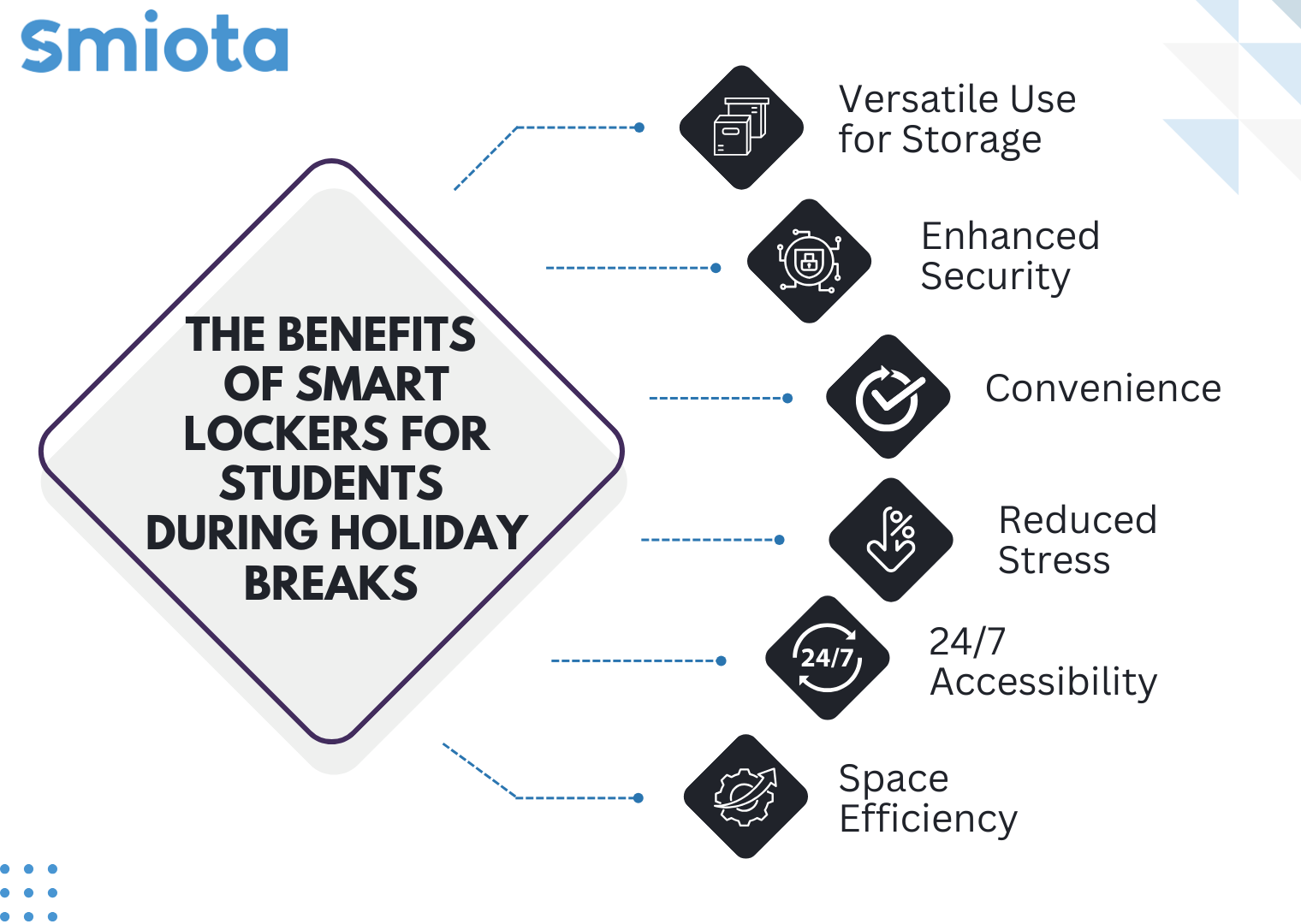
1. Versatile Use for Storage
Smart lockers are not just for packages. Students can use them to store personal items, from mini fridges to textbooks, that they may not want to leave behind over the break. This flexibility is particularly valuable for students who don’t want the hassle of moving all their belongings home every time they leave campus.
2. Enhanced Security
One of the biggest concerns for students leaving campus is the security of their belongings. Smart lockers offer a secure, monitored space to store valuable items, drastically reducing the risk of theft or damage. Students receive a unique access code to retrieve their packages, ensuring that only authorized individuals can access the lockers.
3. Convenience
Whether it’s a package delivery or personal item storage, smart lockers provide unparalleled convenience. Students can receive packages even when they’re away from campus and retrieve them whenever they return. This eliminates the stress of missed deliveries or the need to rely on friends to handle packages.
4. Reduced Stress
Smart lockers take the burden off students, allowing them to manage their deliveries and belongings independently. There’s no need to ask friends to store packages or worry about items being misplaced in an overcrowded mailroom.
5. 24/7 Accessibility
One of the standout features of smart lockers is their 24/7 accessibility. Students can retrieve their belongings at any time, day or night, ensuring maximum flexibility during and after the holidays.
6. Space Efficiency
Smart lockers come in various sizes and configurations, allowing campuses to maximize space while catering to different student needs. Whether it’s a small package or a bulky appliance, there’s a locker size that fits the bill.
How Smart Lockers Work on Campus
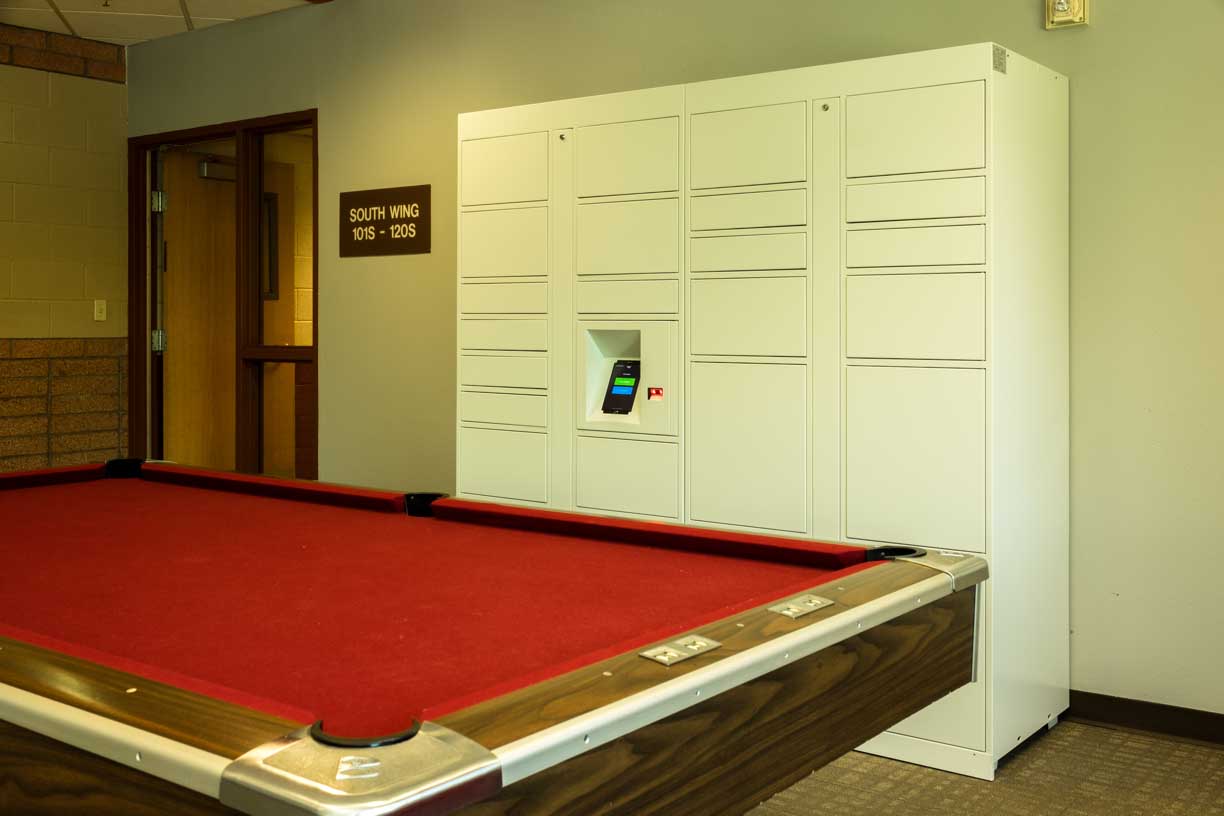
The process of using smart lockers on campus is simple and intuitive. When a package is delivered, it is placed in a locker, and the student is notified via email or text with a unique access code. The student can then retrieve the package by entering the code at the locker’s interface. This eliminates the need to wait in long lines at the mailroom or coordinate with mailroom staff to retrieve parcels.
Additional Uses for Smart Lockers Beyond Holiday Breaks
While smart lockers are indispensable during the holidays, their utility extends throughout the year. Some of their benefits include:
1. Year-Round Convenience
For students involved in off-campus internships, study abroad programs, or frequent travel, smart lockers provide a convenient way to manage their belongings and deliveries. Students can store packages or personal items while they’re away, retrieving them at their convenience when they return.
2. Efficient Returns
Returning textbooks or online orders can be a hassle, especially during busy periods. Smart lockers streamline this process by allowing students to drop off return items without waiting in line at the mailroom or post office.
Why Smart Lockers Are an Eco-Friendly Solution for Universities
Beyond convenience and security, smart lockers also offer sustainability benefits:
1. Reduced Delivery Traffic
By centralizing deliveries through smart lockers, campuses can significantly reduce the number of delivery vehicles on campus, lowering emissions and contributing to a cleaner environment.
2. Paperless Notifications
The smart locker system operates digitally, eliminating the need for paper-based tracking and notifications, thus supporting universities’ sustainability goals.
3. Minimizing Waste
With secure storage options, the likelihood of lost or stolen packages decreases, reducing the need for replacements and minimizing the environmental impact of unnecessary shipping.
Conclusion
Smart lockers have become an essential tool for students, especially during the holiday season. They offer a secure, versatile, and stress-free solution for managing not just package deliveries, but also personal belongings like appliances, books, and other valuable items. With the increasing risks of missed deliveries, lost packages, and theft over long holiday breaks, universities can enhance campus life by adopting modern solutions like smart lockers.
Smiota’s smart lockers provide the perfect combination of security, convenience, and flexibility. By investing in Smiota lockers, universities can streamline mailroom operations, reduce stress for students, and promote a more sustainable campus environment. From holiday breaks to year-round storage needs, Smiota is here to deliver modern, reliable locker systems that meet the demands of today’s campus life—during the holiday rush and beyond. Get in touch with us today to learn how our smart locker solutions can enhance campus experience.
The post Smart Lockers for Students: Why They’re Essential for the Holiday Season appeared first on Smiota.
]]>The post Digitalizing Campus Bookstores with Smart Lockers appeared first on Smiota.
]]>However, the rise of digital learning methods, the growing trend of purchasing second-hand materials, and the convenience of online shopping have threatened the traditional campus bookstore’s place. More students are turning to e-books, digital course materials, or online retailers for their learning needs, causing university bookstores to face a decline in foot traffic. Yet, the relevance of university bookstores endures. Students still need textbooks, merchandise, and supplies—whether physical or digital.
To ensure these bookstores remain a vital part of campus life, colleges need to modernize them. One of the most effective ways to do this is by integrating smart package locker systems. These lockers can make the entire process of purchasing, picking up, and returning items more seamless, convenient, and efficient, making them more appealing to the modern student.
Introduction to Smart Lockers in Campus Bookstores
Smart lockers are secure, automated lockers that allow users to pick up or return items without human interaction. They use a digital system that notifies customers when their package or item is ready for pickup. Once notified, students and faculty members can retrieve their items by entering a code or scanning a QR code, which unlocks the designated package locker compartment.
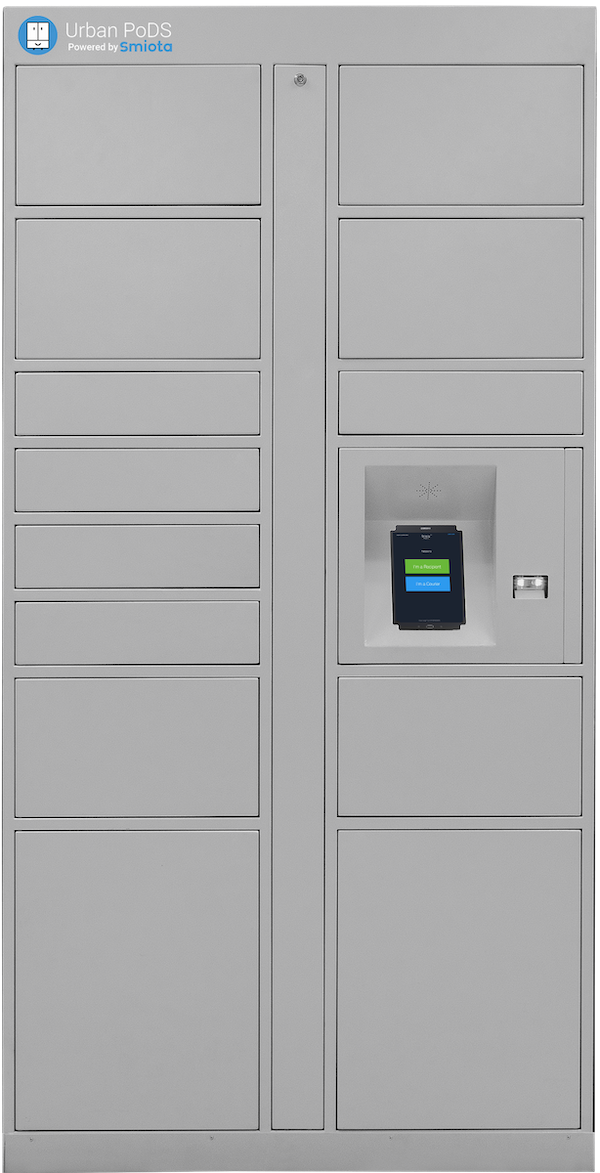
These lockers are not just convenient—they reimagine how goods are distributed and collected in a campus environment. Smart lockers enable contactless, anytime retrieval of orders, improving the overall efficiency of the bookstore’s operations and the student experience.
Benefits of Smart Lockers for Students and Faculty
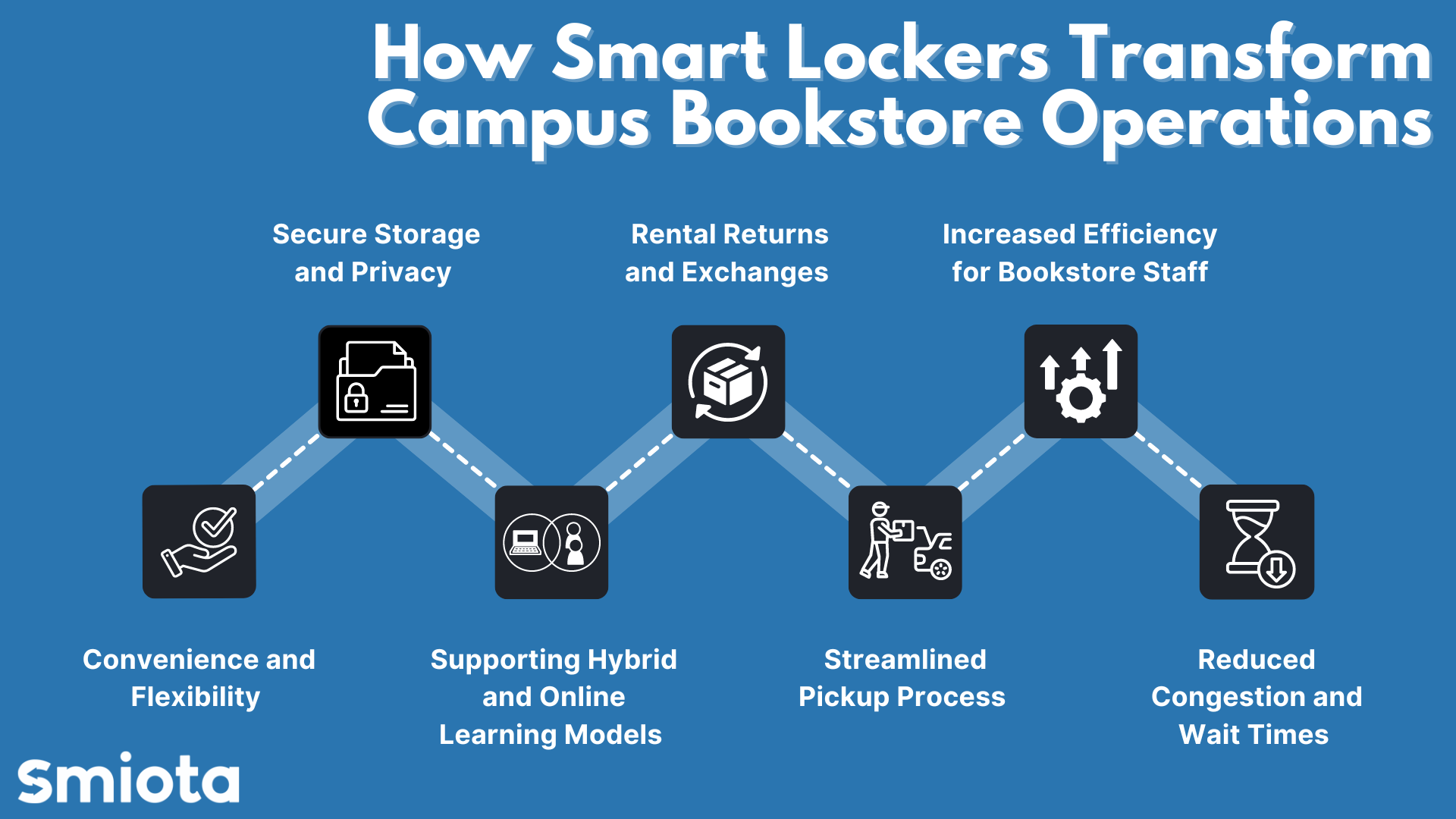
1. Convenience and Flexibility
One of the primary advantages of smart lockers is the convenience they offer. By allowing students and faculty to collect their orders at any time, these lockers make it possible for busy students to retrieve materials on their schedule, without the pressure of making it to the bookstore during open hours.
- Anytime Pickup: Smart lockers provide the freedom for students to pick up orders when it’s convenient for them—whether it’s late at night after studying or early in the morning before class. This flexibility helps accommodate varying schedules and time commitments, making the bookstore experience more student friendly
- Multiple Locker Locations: Colleges can install smart lockers in different areas across the campus, such as dormitory entrances, academic buildings, or near high-traffic zones like dining halls. These strategically placed lockers offer students multiple convenient pickup points, making the collection process even more efficient.
2. Secure Storage and Privacy
In a campus environment where packages can easily get lost or misplaced, smart lockers provide a secure alternative to traditional delivery methods.
- Secure Package Retrieval: Students are given unique access codes or QR codes to retrieve their items, ensuring only authorized users can access their orders. This prevents theft or accidental collection of the wrong package.
- Private and Contactless Pickup: Particularly in a post-pandemic environment, the ability to pick up packages without interacting with others is highly valued. Smart lockers offer a private, contactless solution, minimizing the need for in-person exchanges and reducing the risk of germs spreading.
3. Supporting Hybrid and Online Learning Models
As colleges increasingly offer hybrid or fully online courses, the need for flexible and accessible materials has become more pressing. Smart lockers offer an efficient solution for both remote learners and faculty members.
- Remote Learners: Even students who aren’t on campus full-time can benefit from smart lockers. They can place online orders for textbooks, lab supplies, or other course materials and pick them up at a time that fits their schedule—even if it’s during a brief campus visit.
- Faculty Flexibility: Faculty members who aren’t on campus daily can also take advantage of smart lockers to collect materials, equipment, or book orders at their convenience. This allows for greater flexibility in managing course materials and supplies, even for instructors working remotely.
4. Rental Returns and Exchanges
Smart lockers are not only for pickup—they can also streamline returns and exchanges, offering a more efficient system for students renting textbooks or exchanging materials.
- Book Rental Returns: Rather than standing in long lines at the bookstore to return rented textbooks, students can simply drop them off at a smart locker. This reduces congestion in the store and speeds up the return process.
- Exchanging Materials: For students enrolled in lab courses or classes requiring equipment, smart lockers offer an easy way to exchange lab kits or return equipment. This eliminates the need for in-person interactions, making the exchange process smoother and faster.
5. Streamlined Pickup Process
By integrating online ordering with smart locker pickup, university bookstores can offer a streamlined process that appeals to today’s digitally-focused students.
- Online Order and In-store/Locker Pickup: Students can order books, supplies, or other materials online, then pick them up at their convenience from a smart locker. This bypasses long checkout lines and ensures a quicker, more efficient transaction.
- 24/7 Access: The 24-hour accessibility of smart lockers ensures that students can retrieve their orders at any time. This flexibility is especially helpful for those who have demanding schedules and may not be able to visit the bookstore during traditional hours of operation.
6. Increased Efficiency for Bookstore Staff
Smart lockers also benefit bookstore staff by automating the order fulfillment process and reducing the need for manual handling of each transaction.
- Automated Distribution: Rather than spending time handing out individual orders, staff can focus on more pressing tasks, knowing that the smart lockers will handle the distribution of pre-ordered materials.
- Order Organization: The system automatically organizes orders by locker, reducing the likelihood of misplaced or lost items. This ensures that orders are handled more efficiently and reduces confusion for both staff and customers.
7. Reduced Congestion and Wait Times
Smart lockers significantly reduce foot traffic inside university bookstores, particularly during high-volume periods.
- Less Crowded Stores: During peak periods, such as the beginning of a semester, smart lockers help alleviate overcrowding by offering a remote collection point for pre-ordered items. This allows students to avoid the store entirely, reducing both wait times and congestion.
- Faster Service: With the elimination of long lines for order pickup, students can retrieve their materials faster, leading to improved satisfaction and overall experience with the campus bookstore.
Conclusion
Campus bookstores are essential parts of university life, but their traditional operations need to adapt to the changing habits and expectations of modern students. Smiota’s smart lockers provide convenient, secure, and 24/7 access for students to pick up textbooks, supplies, and merchandise at their own convenience, reducing congestion and long wait times. With features like automated package management and secure access codes, these lockers streamline bookstore operations while offering a contactless, flexible retrieval option.
By adopting Smiota’s smart lockers, campus bookstores can improve efficiency, enhance the student experience, and stay relevant in an increasingly digital landscape. Contact Smiota today to elevate your student experience by integrating our smart lockers into your campus bookstore.
The post Digitalizing Campus Bookstores with Smart Lockers appeared first on Smiota.
]]>The post The Top Technology Trends Shaping the Future of Student Housing appeared first on Smiota.
]]>Technology isn’t just changing the way students live; it’s fundamentally reshaping the entire student housing industry. From AI-powered energy management systems to biometric security measures and smart lockers, the possibilities seem endless.
But here’s the main question: Amidst these lightning-fast changes, how can property managers and university housing departments adopt only those technologies that are really useful for enhancing student life? How can they invest wisely in technologies that will not only meet the needs of today’s students but also adapt to the unforeseen demands of tomorrow?
In this blog post, we look at some of the topic technology trends that are reshaping student housing for the good so that you know which ones will make the real difference. Whether you’re a property manager looking to upgrade your facilities, a university administrator planning for the future, or simply someone fascinated by the intersection of technology and student life, this blog post is for you.
Key Technology Trends Transforming Modern Student Housing
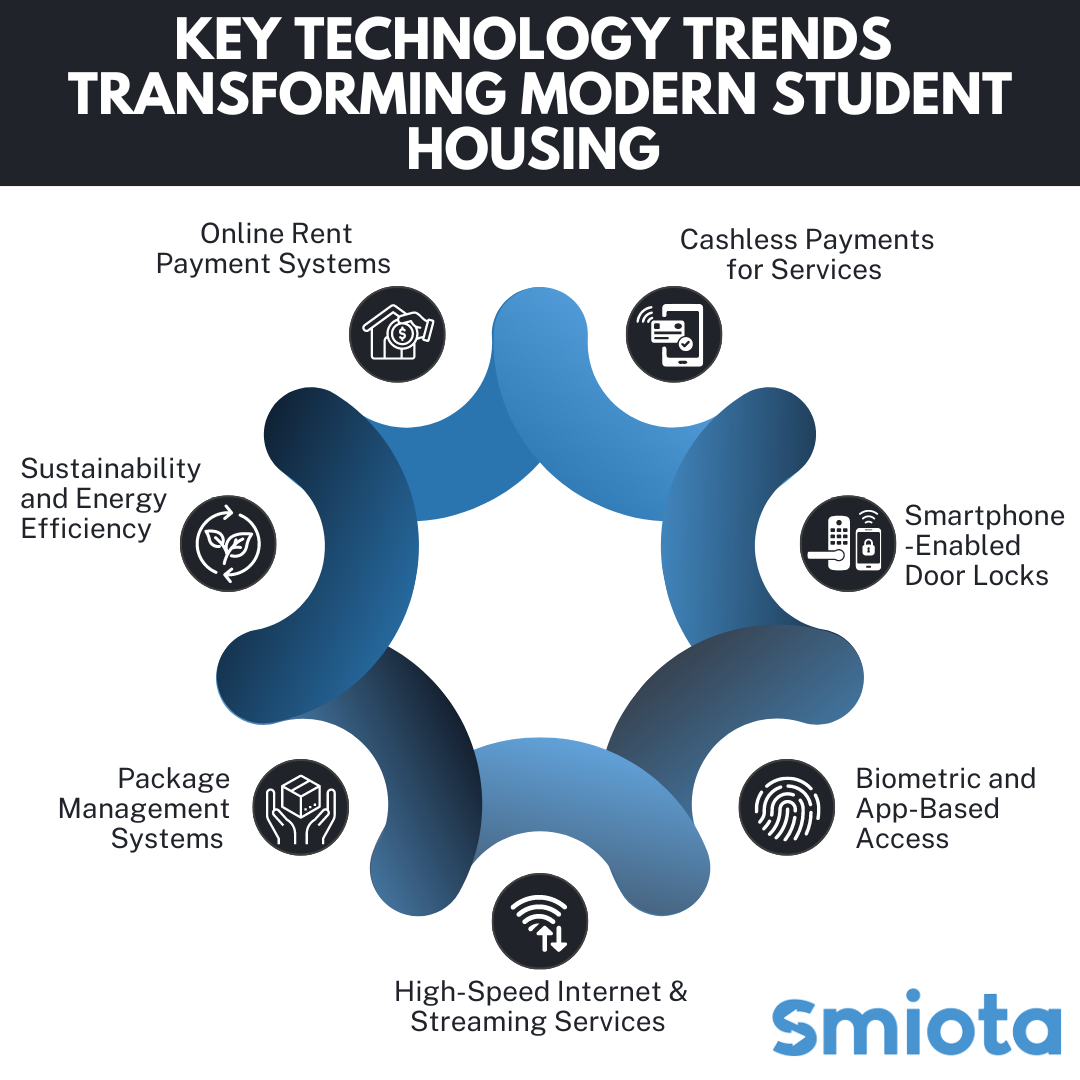
1. Tech-Enabled Payments
Online Rent Payment Systems
The days of students lining up at the housing office to pay rent with checks or cash are becoming a thing of the past. Modern student housing facilities are implementing online payment systems that make rent collection a breeze. Platforms like these offer seamless integration with social media platforms such as Facebook. This integration not only streamlines the payment process but also taps into the social side of student life, making financial transactions feel less like a chore and more like a part of their digital routine.
Cashless Payments for Services
Beyond rent, students are increasingly expecting cashless options for various services within their housing complexes. Digital laundry services powered by mobile apps are becoming the norm. These apps allow students to check machine availability, start cycles remotely, and pay for services using their smartphones. This level of convenience not only saves time but also aligns with the cashless lifestyle that many young adults prefer.
2. Security Enhancements
Smartphone-Enabled Door Locks
Security is crucial in student housing facilities, and technology plays a crucial role in enhancing it. Smartphone-enabled door locks utilizing Near Field Communication (NFC) and Radio-Frequency Identification (RFID) technologies are replacing traditional key systems. These smart locks offer a higher level of security while providing the convenience that students love. Lost keys become a thing of the past, and access can be granted or revoked instantly, giving property managers greater control over building security.
Biometric and App-Based Access
Taking security a step further, some student housing facilities are implementing biometric access systems. Fingerprint or facial recognition in student housing facilities ensure that only authorized individuals can enter specific areas of the building. Additionally, app-based access control systems allow students to grant temporary access to guests, adding an extra layer of convenience and security.
3. Smart Amenities
High-Speed Internet & Streaming Services
High-speed internet is no longer a luxury—it’s a necessity, especially for students. Modern student housing centers are equipping their buildings with high-speed Wi-Fi networks capable of handling heavy data usage. Some are even partnering with streaming services to offer bundled entertainment packages, recognizing that for many students, Netflix and other platforms are as essential as textbooks.
Package Management with Smart Lockers
Managing the influx of packages has become a significant challenge for student housing solutions. This is where smart locker systems are revolutionizing package management. These innovative solutions, such as those offered by Smiota, provide a secure and efficient way to handle deliveries. Students receive notifications when their packages arrive and can retrieve them at their convenience using a unique code or their smartphone. This not only reduces the burden on staff but also ensures that packages are securely stored until they can be collected.
4. Sustainability and Energy Efficiency
Today’s students are becoming increasingly environmentally conscious, and student housing is adapting to meet these values. The use of eco-friendly building materials is becoming more prevalent in new constructions and renovations. Energy-saving devices, such as smart thermostats, are being installed to reduce energy consumption and costs. This student housing technology can learn student schedules and preferences, automatically adjusting temperatures to optimize comfort and efficiency.
Smart Lockers – The Future of Package Management in Student Housing Facilities
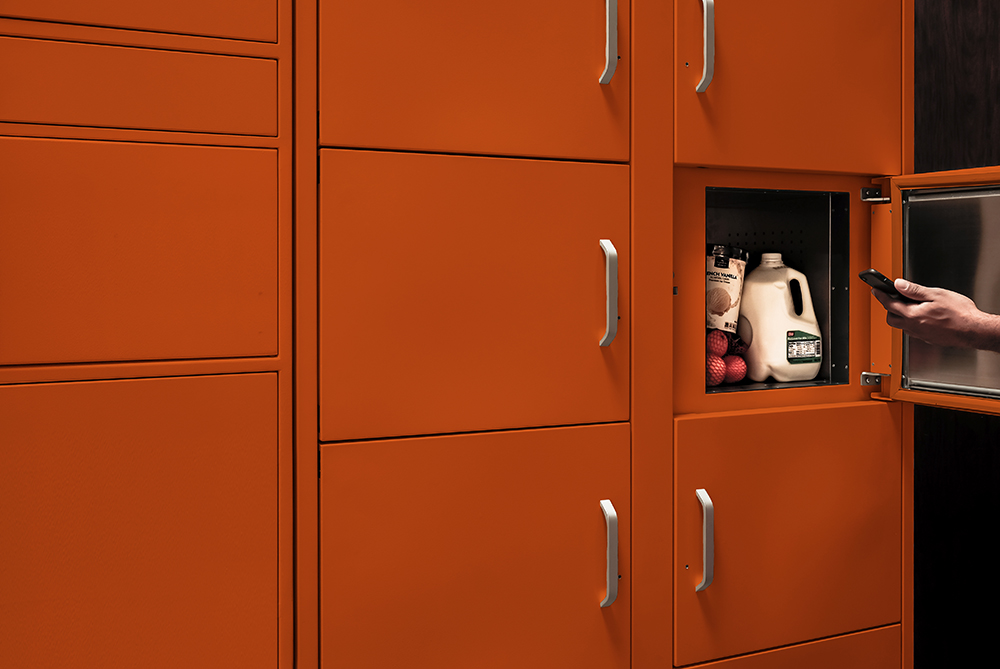
Online shopping among college students has created a logistical nightmare for many student housing facilities. Traditional package rooms are often overwhelmed, leading to lost or stolen packages, long wait times, and frustrated students and staff. Smart lockers are emerging as the ideal solution to this growing problem.
A smart locker system offers a range of benefits:
- Students can retrieve their packages at any time, accommodating even the busiest schedules.
- Packages are securely stored in individual smart package lockers, significantly reducing the risk of theft or loss.
- Smart lockers take up less space than traditional package rooms, freeing up valuable real estate for other amenities.
- With automated notifications and self-service pickup in the package delivery locker, the burden on housing staff is significantly reduced.
- In a post-pandemic world, the ability to retrieve packages without human interaction is increasingly valuable. This can be made possible by smart package lockers.
- Modern smart locker systems provide analytics on usage patterns, helping property managers optimize their operations.
Smart lockers come in various types to suit different needs. For example, Smiota offers temperature-controlled lockers, outdoor lockers, and day use lockers. The flexibility of these systems allows housing facilities to tailor their package management solution to their specific needs and space constraints.
Conclusion
The future of student housing is undeniably digital. From tech-enabled payments and advanced security systems to smart amenities and sustainable solutions, technology is reshaping every aspect of the student living experience. Package management stands out as an area where technological innovation is making a significant impact, with smart locker systems leading the way in efficiency and convenience.
For property managers and university housing departments, incorporating these technological trends is not just about staying competitive—it’s about meeting the evolving needs and expectations of the modern student. By integrating solutions like smart lockers, housing providers can demonstrate their commitment to innovation, sustainability, and student satisfaction.
It’s clear that the most successful student housing centers will be those that seamlessly blend technology with comfort. Contact Smiota today to learn how smart lockers can enhance the living experience in your student housing facilities.
The post The Top Technology Trends Shaping the Future of Student Housing appeared first on Smiota.
]]>The post Why Universities Need Outdoor Lockers and How to Install Them appeared first on Smiota.
]]>A mid-size U.S. University receives ~120,000 packages annually for students and faculty. That’s a lot of packages to manage! Add to this the books, sports equipment, and other personal items students lug around, and you’ve got a recipe for chaos. But what if there was a solution that could make life easier for everyone on campus? Introducing outdoor lockers – they are a symbol of modern campus life. In this post, we’ll explore why these high-tech storage solutions are becoming a must-have for universities and the key features that make them perfect for package management.
The Need for Outdoor Smart Lockers on University Campuses
Students dash from lectures to labs, then to study groups and social events. Faculty members balance research, teaching, and administrative duties. In this whirlwind of activities, the last thing anyone needs is to worry about where to stash their stuff or when they can pick up that important package.
Traditional storage methods, like communal lockers or mailrooms, are showing their age. They’re often overcrowded, have limited hours, and can be as frustrating to navigate as a maze. And let’s not forget the tsunami of deliveries flooding campuses these days. From textbooks and care packages to the latest gadgets ordered online, the volume of items needing secure storage is skyrocketing. This is where outdoor smart lockers step in, ready to save the day.
What Are Outdoor Smart Lockers?
Outdoor smart lockers represent an innovative evolution of traditional storage solutions, offering enhanced functionality and convenience for educational institutions. These technologically advanced units are engineered to withstand various weather conditions while providing secure, round-the-clock accessibility. They come equipped with features like:
- Weather-resistant build (they can resist rain, dust, or even snow)
- Secure access systems (no more lost keys or forgotten combinations)
- Real-time notifications (so you know exactly when your stuff is ready for pickup)
- User-friendly interfaces (because nobody has time for a technology learning curve)
- Doesn’t occupy expensive real estate in the building (can easily fit in a parking lot)
These lockers are like having a personal assistant dedicated to keeping your belongings safe and accessible, rain or shine, day or night.
Benefits of Outdoor Smart Lockers for University Campuses
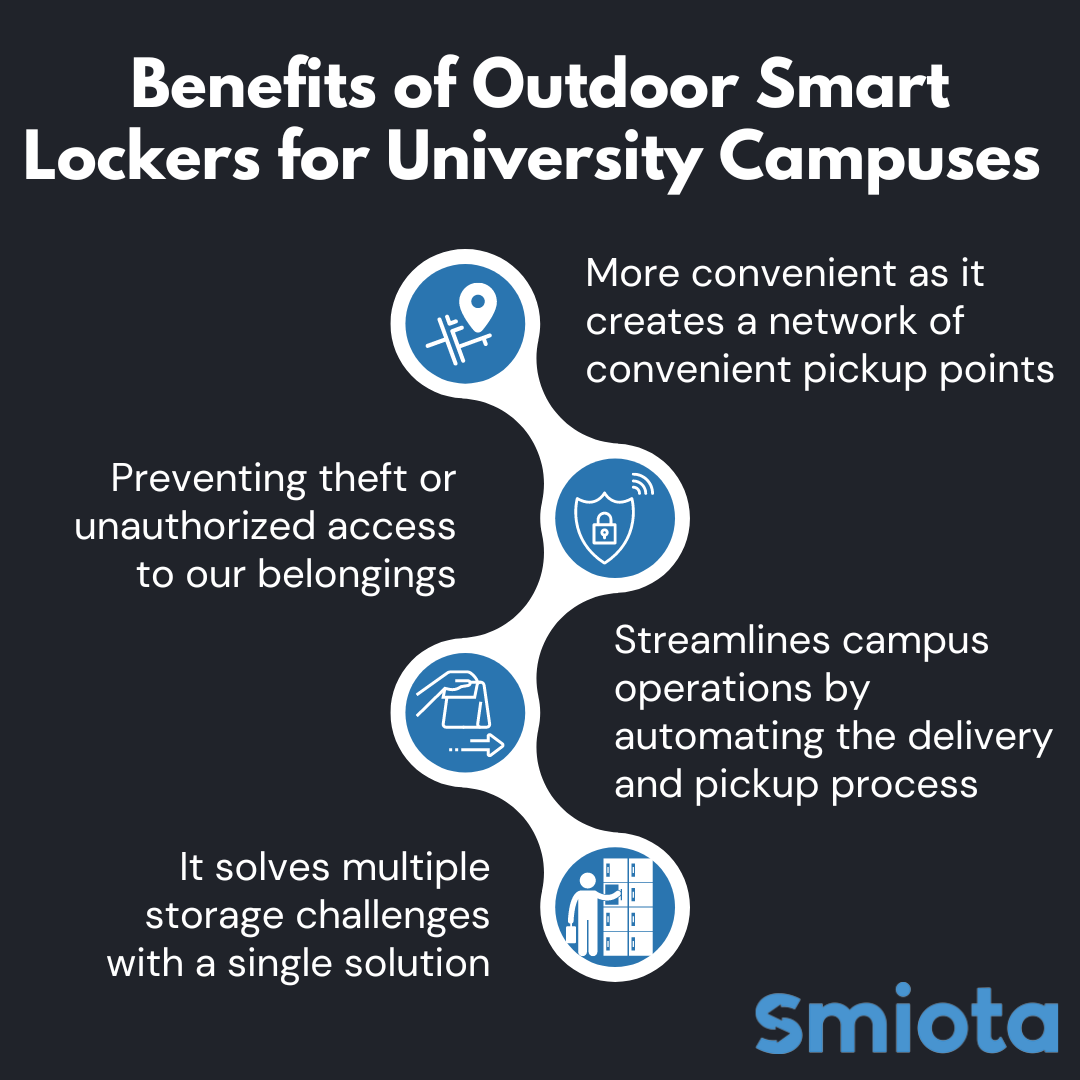
1. Convenience for Students and Staff
Remember the days of rushing to the campus post office before it closes? With outdoor smart lockers, those days are history. These lockers are available 24/7. Got a late-night study session? No problem. Early morning gym class? Your gear is waiting for you.
By strategically placing these lockers across the campus, universities create a network of convenient pickup points. It’s like having a personal concierge service that works around your schedule, not the other way around.
2. Enhanced Security
In a perfect world, we wouldn’t have to worry about package theft or unauthorized access to our belongings. But in reality, security is a top concern. Outdoor smart lockers are like Fort Knox for your stuff. With features like secure PINs, QR codes, or even biometric access, these lockers ensure that only the right person can retrieve the items inside.
This level of security isn’t just about preventing theft; it’s about peace of mind. Students can focus on their studies, and staff can concentrate on their work, knowing their belongings are safe and sound.
3. Supporting Campus Operations
The mailroom staff are dedicated individuals who often find themselves buried under an avalanche of packages. Smart lockers are like a lifeline for overworked mailrooms. By automating the delivery and pickup process, these lockers streamline operations, reducing the burden on staff and improving efficiency.
But it’s not just about deliveries. Smart lockers can also simplify returns and exchanges. Imagine a student being able to return a library book or exchange lab equipment without having to track down a staff member. It’s all about making campus life smoother for everyone involved.
4. Versatility for Various Uses
The beauty of outdoor smart lockers lies in their versatility. They’re not one-trick ponies; these lockers can adapt to a variety of campus needs:
- Package and mail pickup? Check.
- Temporary storage for gym bags or project materials? Absolutely.
- Secure spot for shared equipment? You bet.
This adaptability means that smart lockers can solve multiple storage challenges with a single solution. It’s like having a Swiss Army knife for campus storage needs.
Use Cases of Outdoor Smart Lockers on University Campuses
1. Package Delivery and Pickup
The days of missed deliveries and package pickup headaches are over. With smart lockers, students can receive everything from care packages to textbooks without the hassle. And it’s not just for students – faculty and staff can use these lockers for work-related deliveries, bypassing the crowded mailroom altogether.
2. Library Book Rentals and Returns
By integrating smart lockers with the university library system, you can pick up or return library books even when the library is closed. Late-night study session and need that reference book? No problem. Finished with your books but can’t make it to the library during open hours? The outdoor smart locker has got you covered.
3. Shared Equipment Storage
From lab equipment to sports gear, universities have a lot of shared resources that need secure storage. Smart lockers provide a perfect solution. Science students can access lab equipment for late-night experiments, while student-athletes can retrieve their gear for early morning practices – all without needing staff assistance.
4. Food and Grocery Deliveries
Who says smart lockers are just for packages? With refrigerated options, these lockers can safely store food deliveries or groceries. It’s a game-changer for busy students who can now pick up a healthy meal or their weekly groceries at their convenience.
Campus dining services can even use these lockers to distribute meal kits or pre-ordered meals, adding a new level of flexibility to campus dining.
Related: Food Lockers – The Future of Food Pickup and Delivery
5. Study Group and Project Collaboration
Collaborative projects are a big part of university life, but coordinating schedules and sharing materials can be a headache. Smart lockers offer a secure and convenient way for study groups to share resources. Working on a group presentation? Store your materials in a shared locker for easy access for all team members. It is collaboration made simple.
6. Asset Management
Students can safely store their devices between classes, during extracurricular activities, or overnight, reducing the risk of theft or damage. Smart lockers provide an efficient solution for managing and securing IT assets on campus. They enable secure storage of personal devices and streamline distribution of university-owned equipment.
Chicago community colleges have implemented this system successfully, allowing students to store laptops safely and the IT department to manage device loans effectively. This approach enhances security, improves accessibility, and simplifies asset management, benefiting both students and staff.
Key Features of Smiota’s Outdoor Smart Lockers for Universities
Now that we’ve explored the why and how of outdoor smart lockers, let’s take a closer look at what makes Smiota’s solution stand out in the crowd.
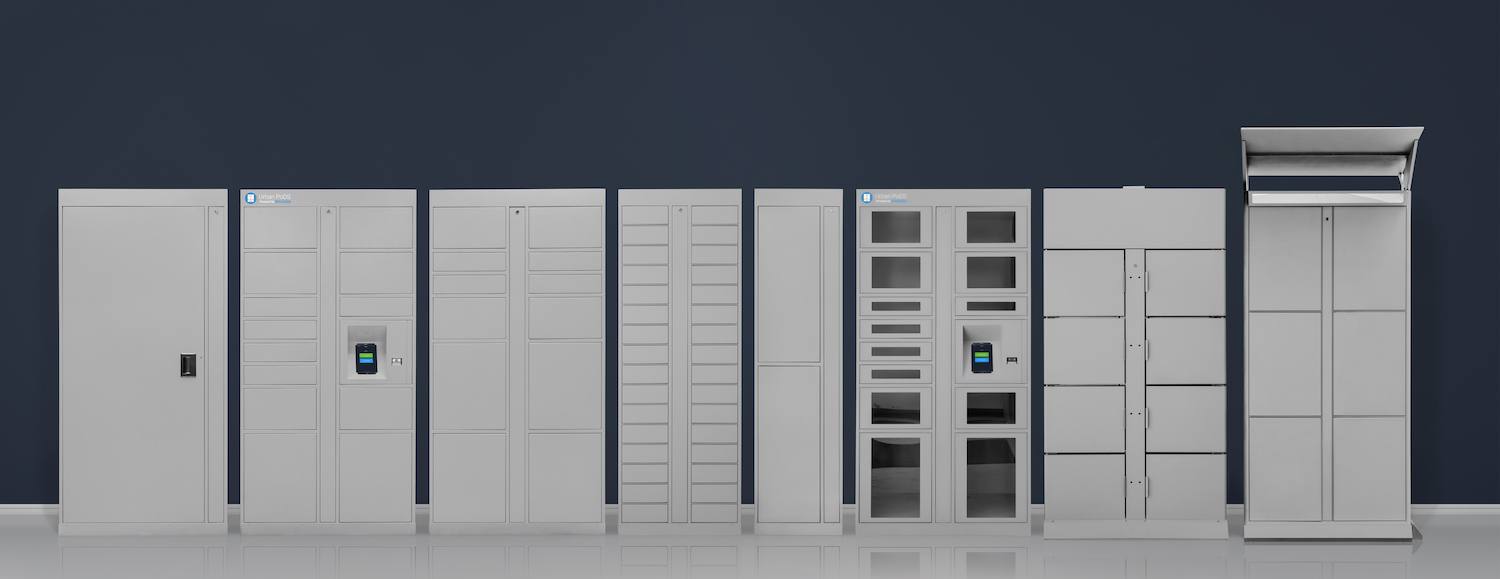
1. Protection Against Harsh Weather
Nature can be unpredictable, but Smiota’s outdoor smart lockers with the IP65 level rating are ready for anything she throws their way. Built with durable materials, these lockers are designed to withstand everything from scorching sun to pouring rain.
2. Lockers in Different Sizes
Smart locker systems offer a range of sizes to accommodate all types of packages, from small mail to large deliveries. From compact units suitable for mail and small parcels to larger compartments capable of holding bulky deliveries, these systems provide flexibility in package management. A key advantage is the ability to consolidate multiple packages for a single resident or student into one locker, streamlining the retrieval process and optimizing space utilization. By providing options for every package size, these systems ensure comprehensive and flexible storage solutions for campus deliveries.
3. Cloud-Based Software
In today’s connected world, smart lockers need to be, well, smart. Smiota’s mailroom app provides seamless communication and notifications. Imagine getting a text the moment your package arrives – it’s like having a personal assistant keeping you updated on your deliveries.
4. Integration with Campus Systems
Smiota’s smart lockers don’t exist in isolation – they’re designed to play nice with existing campus systems. By integrating with student information systems, these lockers become a seamless part of campus life.
5. Usage Data and Analytics
Knowledge is power, and Smiota’s analytics dashboard provides valuable insights into locker usage. This data helps campus administrators understand usage patterns, forecast future needs, and optimize locker allocation. It’s like having a crystal ball for campus storage needs.
6. Data Security and Privacy
Data privacy is paramount and Smiota takes security seriously. With robust measures in place to protect user information, students and staff can use the lockers with confidence.
Check out the below article to learn more about the security measures Smiota’s smart lockers have in place: How Smiota Ensures Top-notch Security for its Smart Lockers
7. Easy Installation and Maintenance
Bringing smart lockers to campus shouldn’t be a headache. Smiota’s installation team makes the process smooth and hassle-free. From assessing needs to suggesting optimal locations and providing training, we’ve got it covered.
8. Additional Services
Smiota goes the extra mile with additional features like:
- Specialized lockers (think refrigerated units for food or lockers with charging ports)
- Custom branding options to match university aesthetics
It’s all about creating a storage solution that’s as unique as your campus.
Case Studies and Success Stories
Don’t just take our word for it – universities across the US are already reaping the benefits of Smiota’s outdoor smart lockers. Take the University of Nevada, Las Vegas, for example. By implementing Smiota’s smart lockers, they’ve improved campus operations, increased student satisfaction, and enhanced security. Students rave about the convenience, staff appreciate the reduced workload, and administrators love the improved efficiency. It’s a win-win-win situation.
Conclusion
Outdoor smart lockers are more than just a storage solution – they’re a way to enhance campus life. From streamlining package delivery to supporting collaborative learning, these high-tech solutions are transforming universities, one locker at a time.
So, to all the university administrators and campus planners out there, isn’t it time to make your campus smart? Embrace the future of campus storage with outdoor smart lockers. Your students, staff, and overworked mailroom personnel will thank you.
To learn how Smiota can enhance your campus experience using smart lockers, get in touch with us today.
The post Why Universities Need Outdoor Lockers and How to Install Them appeared first on Smiota.
]]>