The post Temperature-Controlled Lockers for Apartments: The Future of Secure Deliveries in 2025 appeared first on Smiota.
]]>These advanced lockers are specifically designed to store perishable items like groceries, fresh meal deliveries, medications, flowers, and more. For multifamily properties, they’re more than just a cool amenity, they’re a game-changing service that improves daily life for residents while making operations smoother for property staff.
Let’s explore why temperature-controlled smart lockers are quickly becoming a necessity for residential communities and how they deliver immense value for everyone involved.
1. Keep Perishables Fresh and Safe
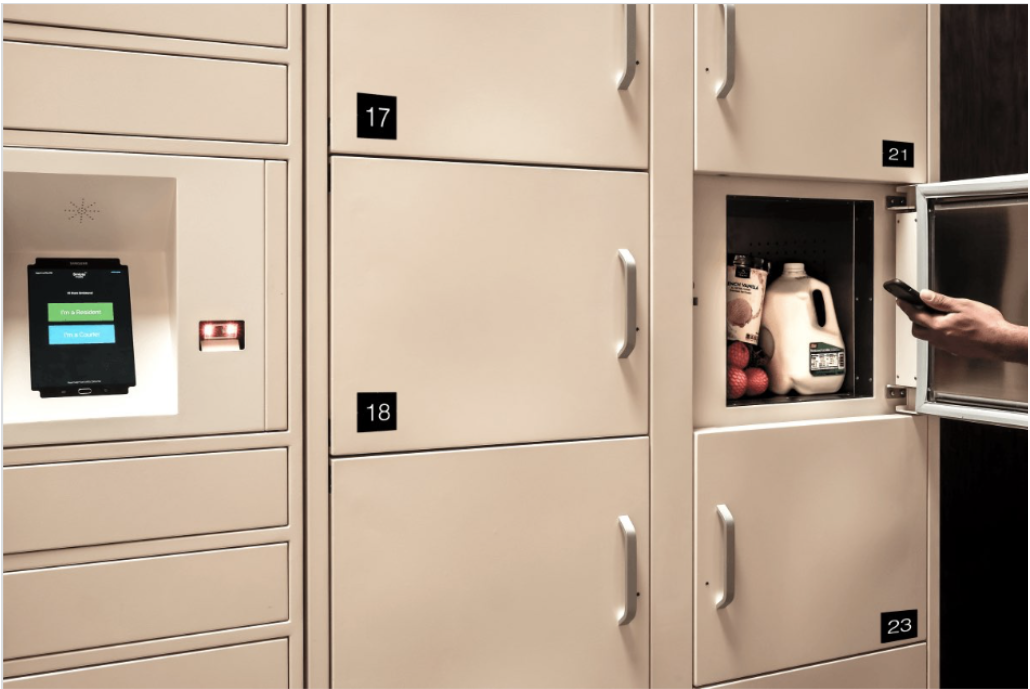
One of the biggest concerns with grocery and meal deliveries is spoilage. Items like dairy, meat, seafood, frozen meals, and temperature-sensitive medicine require specific storage conditions to remain safe and usable. Traditional lockers can’t offer that level of care, but refrigerated smart lockers can.
These lockers use built-in temperature controls to keep items chilled or frozen until residents are ready to pick them up. Whether it’s a late-night meal kit drop-off or an early morning grocery delivery, the freshness is preserved until retrieval.
Why this matters:
- Prevents spoilage of time-sensitive items like fresh produce, frozen meals, or prescription medications.
- Ensures food safety by meeting proper temperature guidelines.
- Offers peace of mind to residents who can’t retrieve deliveries right away.
- Reduces the risk of product loss or health concerns due to improper storage.
By delivering freshness and safety, temperature-controlled lockers make online grocery shopping and food delivery services more viable and appealing for residents. Plus, they encourage more frequent use of delivery services, giving residents an added layer of daily convenience.
2. 24/7 Secure Access for Residents
Life doesn’t follow a 9-to-5 schedule and neither do package deliveries. With 24/7 access to refrigerated lockers, residents no longer need to rush home or coordinate pickups during specific hours. They can simply retrieve their packages whenever it’s convenient.
These lockers are part of the broader Smiota smart locker ecosystem and offer flexible access through mobile apps, QR codes, or Bluetooth. That means no front desk waiting, no missed packages, and no stress.
Why this matters:
- Residents can access their items at any hour, whether it’s early morning or after midnight.
- Reduces missed deliveries and enhances the overall delivery experience.
- Creates a completely contactless pickup process, supporting better hygiene.
- Enhances privacy and independence for residents who prefer minimal staff interaction.
This level of convenience is particularly helpful for residents with irregular schedules, such as medical professionals, night-shift workers, or busy parents. It ensures that delivery services work around residents’ lives, not the other way around.
3. Reduce Staff Workload and Improve Efficiency
Managing packages, especially perishable ones, can become overwhelming for building staff. It often requires manual tracking, temporary storage, and frequent resident communication. Refrigerated lockers take that burden off staff by automating the entire process.
When a delivery arrives, couriers deposit it directly into a secure locker compartment. Residents are automatically notified via text, email, or mobile app, allowing them to retrieve the package without any staff involvement.
Why this matters:
- Reduces time spent by staff handling, tracking, or redistributing deliveries.
- Minimizes resident inquiries and complaints about package status.
- Prevents overcrowding of storage rooms and mailrooms.
- Increases overall staff productivity and allows them to focus on higher-value tasks.
By reducing human touchpoints and streamlining the workflow, property management teams can better allocate resources and create a more professional, stress-free environment.
4. Add a Competitive Edge with Tech-Forward Amenities
Smart lockers, especially temperature-controlled ones, aren’t just functional. They’re a powerful marketing tool. Today’s renters are digitally savvy and value technology that makes life easier. When they see advanced amenities like refrigerated lockers, they see a property that understands their lifestyle.
These lockers appeal to renters who regularly use grocery delivery apps, meal kits, or subscribe to services like FreshDirect, HelloFresh, or Instacart. It’s the kind of modern touch that stands out during apartment tours and online listings.
Why this matters:
- Attracts renters looking for convenience and innovation.
- Adds significant value to a property’s amenity package.
- Encourages lease renewals by improving resident satisfaction.
- Positions your property as future-ready and resident-focused.
In today’s competitive housing market, a forward-thinking amenity like this could influence a prospect’s leasing decision. It’s a small investment with the potential for big returns in tenant acquisition and retention.
5. Integrate Seamlessly with the Smiota Smart Locker Ecosystem
Refrigerated lockers are most effective when they’re part of a larger, integrated system. That’s where Smiota excels. These lockers work hand-in-hand with standard parcel lockers, mailroom automation software, and cloud-based tracking tools.
Everything can be managed through one centralized dashboard, from locker assignments to usage reporting. Integration with property management software means minimal disruption and easy onboarding.
Why this matters:
- All package types, including standard, refrigerated, or oversized, can be managed in one place.
- IT and maintenance teams can monitor locker performance remotely.
- Real-time alerts and reporting help with performance tracking.
- Scalable design supports properties of any size, from boutique buildings to multi-site portfolios.
The ability to scale and adapt ensures your investment remains relevant as your property grows or evolves. This integrated approach also enhances the overall resident experience by providing a consistent, dependable delivery solution.
6. Promote a Contactless Lifestyle
In the post-pandemic era, contactless amenities are more than a convenience. They’re a necessity. With refrigerated lockers, residents can pick up sensitive deliveries without touching shared surfaces or interacting with staff or couriers.
This feature is especially attractive in high-density properties, senior living facilities, or communities focused on wellness.
Why this matters:
- Minimizes touchpoints for added hygiene.
- Ideal for delivering sensitive items like medication and food.
- Supports the lifestyle of health-conscious residents.
- Reduces in-person interactions while maintaining service quality.
Providing a contactless solution also sends a clear message. It shows that your property prioritizes resident well-being and understands the evolving preferences of modern renters.
7. Reduce Carbon Footprint and Waste
Sustainability is a growing concern for both renters and property managers. Refrigerated lockers can help reduce waste and improve delivery efficiency. Couriers make fewer trips when deliveries are successful the first time, and fewer spoiled goods mean fewer returns or replacements.
Smiota’s smart lockers are also built with energy-efficient technology and materials, supporting green building initiatives.
Why this matters:
- Decreases number of missed deliveries and repeat trips by couriers.
- Reduces food waste from spoiled perishable items.
- Supports LEED certification and sustainability goals.
- Appeals to eco-conscious residents and helps build a greener brand image.
More than just an amenity, refrigerated lockers reflect your commitment to sustainability and social responsibility. These values increasingly influence renters’ decisions and can elevate your property’s reputation.
8. Support Special Deliveries and Resident Wellness
Refrigerated lockers aren’t just for groceries. They’re perfect for other temperature-sensitive deliveries such as skincare products, pet food, flowers, and wellness kits. This expanded usage supports modern living habits and creates a more personalized resident experience.
Why this matters:
- Accommodates a wider range of resident needs.
- Enhances satisfaction for residents with specific dietary, medical, or lifestyle requirements.
- Adds thoughtful convenience to pet-friendly and wellness-focused communities.
When residents see that their niche needs are supported, they’re more likely to feel at home and more likely to stay long-term.
Final Thoughts
Temperature-controlled smart lockers are no longer a novelty. They are an essential part of modern package management. With the rise of grocery and meal delivery, along with increased resident expectations, properties that offer refrigerated lockers stand out for all the right reasons.
They add value. They boost resident satisfaction. They make life easier for everyone involved.
Whether you manage a luxury high-rise, a student housing complex, or a large-scale multifamily community, Smiota’s temperature-controlled lockers offer the flexibility, reliability, and technology you need to stay ahead.
Want to see how temperature-controlled lockers can work for your property?
Book a free demo or contact us to get started.
The post Temperature-Controlled Lockers for Apartments: The Future of Secure Deliveries in 2025 appeared first on Smiota.
]]>The post Solving Campus Hunger with Smart Food Lockers: A Scalable, Dignified Solution appeared first on Smiota.
]]>This silent crisis impacts far more students than many realize. In fact, nearly half of all community college students and 39% of students’ overall report experiencing food insecurity. These statistics reveal a harsh truth: hunger on campus is systemic, not marginal. And the consequences—physical, emotional, and academic—are severe.
Traditional solutions like on-campus food pantries, while important, don’t always meet student needs. They often come with limited hours, long lines, and, unfortunately, stigma. But what if we could use technology to turn the tide?
Enter smart food lockers—a scalable, 24/7, discreet solution that offers students nourishment with dignity. By integrating automation, refrigeration, and contactless pickup, smart lockers meet students where they are—literally and figuratively. More than just a tech fix, they represent a new philosophy.
The Data Behind Campus Hunger
Food insecurity is no longer an isolated issue—it’s a systemic crisis with widespread academic and emotional implications. Let’s look at the numbers:
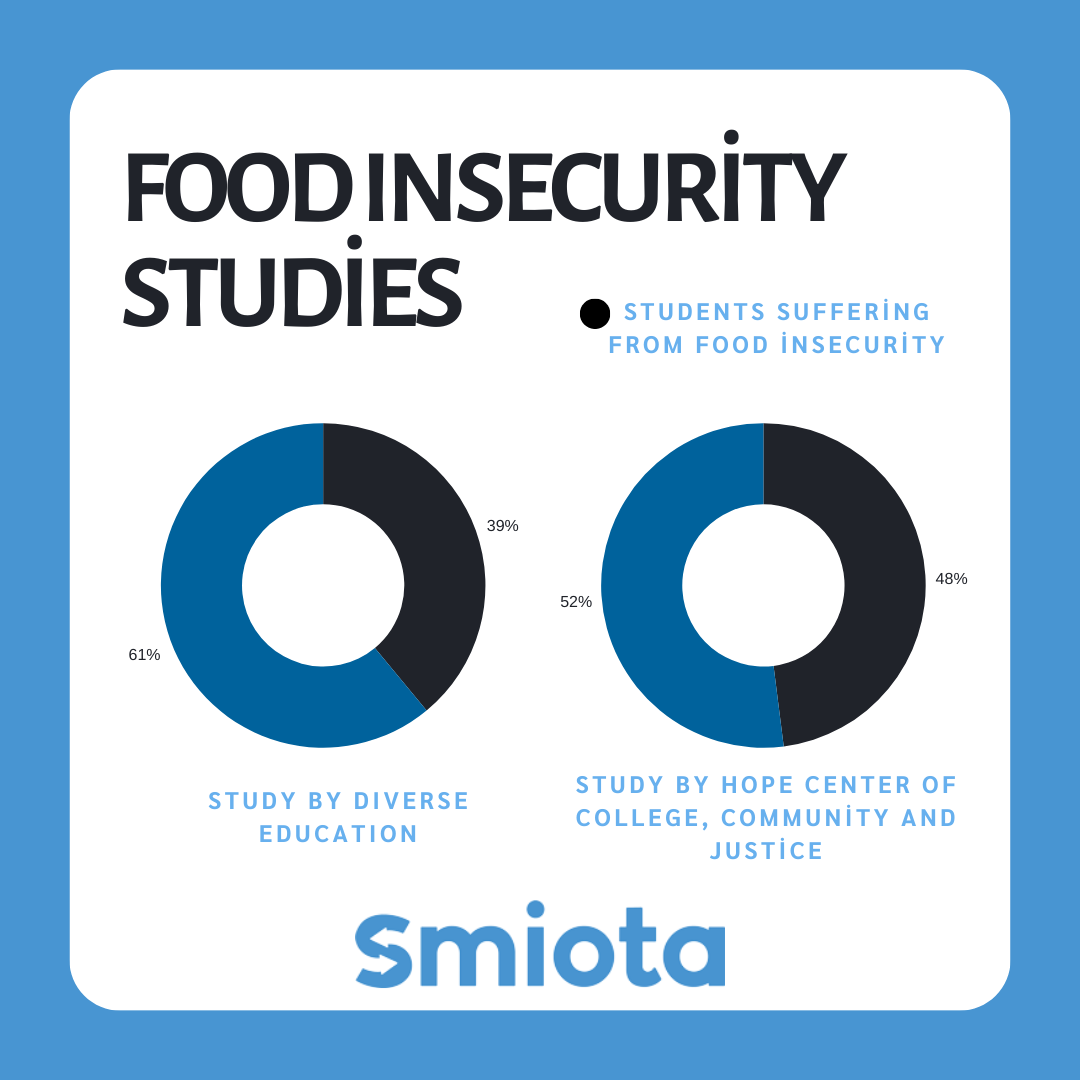
- 39% of college students report being food insecure (Diverse Study)
- 48% of community college students face food insecurity (The Hope Center)
- Hungry students are 43% less likely to graduate on time
But the problem runs deeper than just missed meals. Students facing hunger are significantly more likely to experience:
- Chronic stress, anxiety, and depression
- Sleep deprivation and fatigue
- Frequent illnesses
- Lower academic performance and concentration
These ripple effects don’t stop at individual students. Institutions suffer too—retention rates drop, graduation timelines extend, and the overall reputation of colleges and universities can be impacted when students struggle to meet basic needs.
If we want our campuses to be places of opportunity and achievement, we must address food insecurity head-on. And that means reimagining how food assistance is delivered.
How Smart Food Lockers Work
Smart food lockers are automated, temperature-controlled storage units that securely hold pre-packed meals, groceries, or hygiene products. The process is simple and student-friendly:
- Students place a request for food assistance through an app, website, or text message.
- They receive a secure code—a QR or numeric code for pickup.
- They access the locker at their convenience, 24/7, using the code.
- They retrieve their items discreetly—no staff interaction, no waiting in lines.
Key functional benefits include:
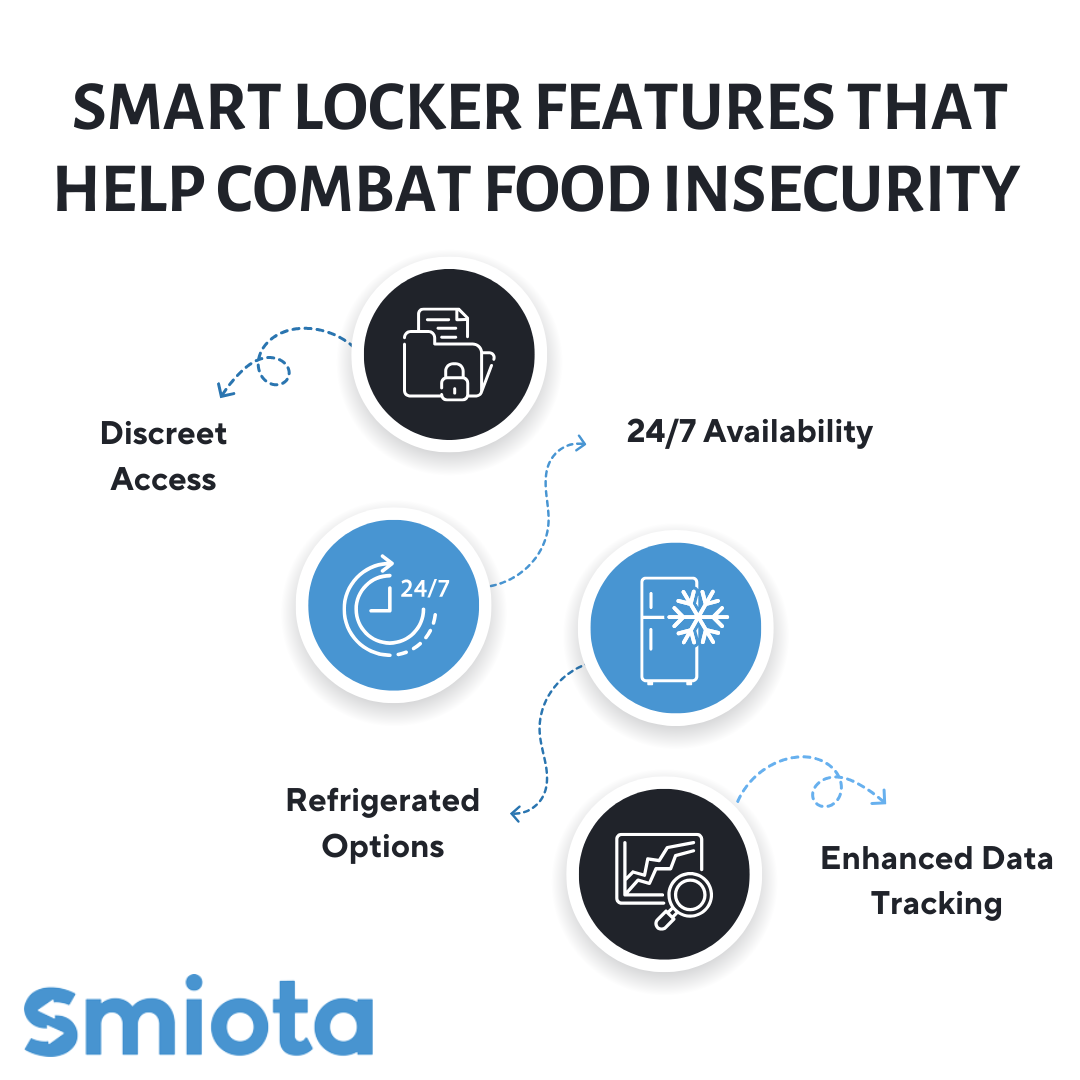
- Discreet Access: The locker pickup process is private, helping students avoid stigma and discomfort.
- 24/7 Availability: Supports students with late-night classes, jobs, or non-traditional schedules.
- Refrigerated Storage: Keeps fresh items—dairy, produce, or ready-to-eat meals—safe and usable.
- Inventory Tracking: Campus administrators can monitor locker usage to optimize stock and identify trends.
It’s a model built for the modern student—tech-integrated, respectful of privacy, and deeply effective.
Integration with Campus Services
Smart lockers are not a standalone solution. Their true power lies in how they integrate with broader campus support systems:
- Campus Food Pantries: Lockers act as after-hours extensions, allowing students to pick up food at their own convenience.
- Emergency Aid Programs: Students facing sudden financial hardship can get rapid access to food—without paperwork delays.
- Meal Swipe Donations: Dining halls can convert unused meal swipes into boxed meals, stocked into lockers for those in need.
This seamless integration allows campuses to amplify existing support without straining resources. Plus, it helps break down silos between departments—housing, health, dining, and financial aid can all coordinate to better serve students through locker-based systems.
Strategic Placement for Maximum Impact
Where smart lockers are placed can make or break their effectiveness. Strategic placement ensures that students don’t have to jump through logistical hoops just to get a meal. Ideal locations include:
- Dormitories and Residence Halls: Perfect for students who may not feel comfortable seeking help publicly.
- Libraries and Study Areas: Helps students grab food discreetly during late-night study sessions.
- Student Centers and Health Clinics: Centralizes wellness support—mental, physical, and nutritional.
- Outside Dining Halls: Provides an easy overflow solution during high-volume mealtimes or off-hours.
The key is accessibility. By placing lockers in high-traffic, student-centric zones, institutions can remove the transportation and scheduling barriers that often stand between students and nourishment.
Changing the Food Access Narrative
For years, food assistance on campuses has carried a social stigma. Despite needing help, many students avoid using food pantries or aid programs out of fear of being judged or singled out. This cultural barrier turns food insecurity from a solvable problem into a silent burden.
Smart lockers flip the script. They provide:
- Flexible pickup: Students choose when and where to collect food, avoiding lines and rigid hours.
- Mobile-first convenience: Lockers work through apps or texts, fitting seamlessly into students’ tech-driven routines.
- Stigma-free access: Self-serve, discreet pickup normalizes help-seeking and preserves student dignity.
This evolution from charity-based aid to empowerment-based systems is critical. It fosters a more inclusive campus culture where receiving support is seen not as weakness, but as a smart, responsible choice.
Future-Proofing Food Assistance with Tech and Partnerships
Smart food lockers aren’t just a quick fix—they’re a future-ready infrastructure that grows with student needs and strengthens campus support systems. Their modular, tech-enabled nature makes them highly scalable and adaptable, ensuring that institutions can stay responsive in the face of rising demand or shifting student demographics. They can:
- Add more lockers to high-demand locations
- Use data insights to monitor pickup rates, expiration trends, and inventory gaps
- Automate stock rotation, prioritizing soon-to-expire items to reduce food waste
Beyond tech features, smart lockers also serve as powerful connection points for cross-sector partnerships that extend campus resources without overstretching internal budgets. These systems also unlock powerful partnership opportunities:
- Food Banks: Supply excess inventory or meal kits directly to locker systems
- Grocery Stores: Offer discounted fresh goods and hygiene products for distribution
- Nonprofits and Community Groups: Add supplementary support items—like school supplies or personal care kits
This ecosystem-driven approach does more than distribute food—it wraps students in a network of care. It positions the campus as a holistic wellness hub, combining technology, community support, and operational efficiency to ensure no student must choose between hunger and their education.
Environmental and Operational Efficiency
While smart food lockers directly support student well-being, they also deliver significant environmental and operational advantages for campuses. Beyond the human benefits, smart lockers support broader campus goals:
- Sustainability: Real-time inventory tracking reduces food spoilage and waste by prioritizing soon-to-expire items and matching supply with demand. This supports eco-friendly purchasing and waste reduction goals.
- Lower Operational Burden: Automation eases the pressure on understaffed food programs by minimizing the need for manual distribution, enabling 24/7 access without added labor.
- Smarter Use of Donations: Detailed usage data ensures donated items are stocked efficiently and reach students in time, maximizing their impact.
By combining technology with thoughtful planning, smart lockers help campuses serve students, protect resources, and support sustainability.
Conclusion: Smart Lockers as a Pillar of Student Support
Campus hunger isn’t just a student issue—it’s an institutional one. It affects grades, graduation rates, mental health, and overall campus culture. And while traditional food programs have tried to help, today’s reality demands a more flexible, tech-forward approach.
Smart food lockers offer that solution. They provide dignity, discretion, and 24/7 access—all while leveraging data and partnerships to scale support efficiently. In doing so, they reframe food assistance from a matter of charity to one of empowerment.
By investing in this infrastructure, colleges make a powerful statement: that every student deserves nourishment, opportunity, and the freedom to succeed—no matter their financial background. Smart food lockers are more than just convenient—they’re a necessary evolution in the fight against campus hunger.
The post Solving Campus Hunger with Smart Food Lockers: A Scalable, Dignified Solution appeared first on Smiota.
]]>The post Top Business Types that Use Refrigerated Lockers to Keep Their Customers Happy appeared first on Smiota.
]]>This blog post discusses top business types that substantially benefit from incorporating refrigerated lockers into their service model and staying ahead in their respective markets. Whether you’re a business owner looking to innovate, a customer curious about the future of shopping, or one fascinated by the intersection of commerce and technology, you will find valuable insights into the transformative impact of refrigerated lockers.
What are Refrigerated Lockers?
Refrigerated lockers are innovative storage solutions designed to maintain a controlled, cool environment. They’re becoming increasingly essential in various business sectors where preserving product freshness and quality is paramount. These lockers have advanced cooling technology to store perishable goods like food, pharmaceuticals, and even sensitive electronic equipment. They bridge the gap between the need for convenient, flexible storage and the necessity of keeping certain items at specific temperatures.
How Does a Refrigerated Locker Work?
The core of refrigerated locker technology lies in its ability to maintain a specific temperature range consistently. This is crucial for preserving the integrity of perishable goods. The lockers use similar cooling mechanisms to standard refrigerators, but they’re optimized for individual compartments, offering customized temperature settings for different items.
Features of Smiota’s Refrigerated Lockers
- Temperature Control: Refrigerated lockers maintain a specific temperature range, which is essential for preserving perishable goods like food and medicines. They feature adjustable and monitorable temperatures for optimal item preservation.
- Integrated Kiosk Interface: These lockers include a user-friendly kiosk for interactions like opening lockers, checking item status, adjusting temperatures, and secure payment processing.
- App Compatibility: Enhances user experience with features like remote locker access, notifications, temperature monitoring, and streamlining the management of perishable items.
- Enhanced Security: Equipped with secure locking mechanisms and surveillance features to protect stored items.
- Energy Efficiency: Designed with advanced insulation and energy-efficient cooling systems to reduce energy consumption.
- Customizable Compartments: Offer flexible storage options with compartments that can be adjusted for different item sizes, maintaining required temperatures.
- Health and Safety Compliance: Compliant with regulations for storing food and pharmaceuticals, maintaining hygiene standards and safe temperature limits.
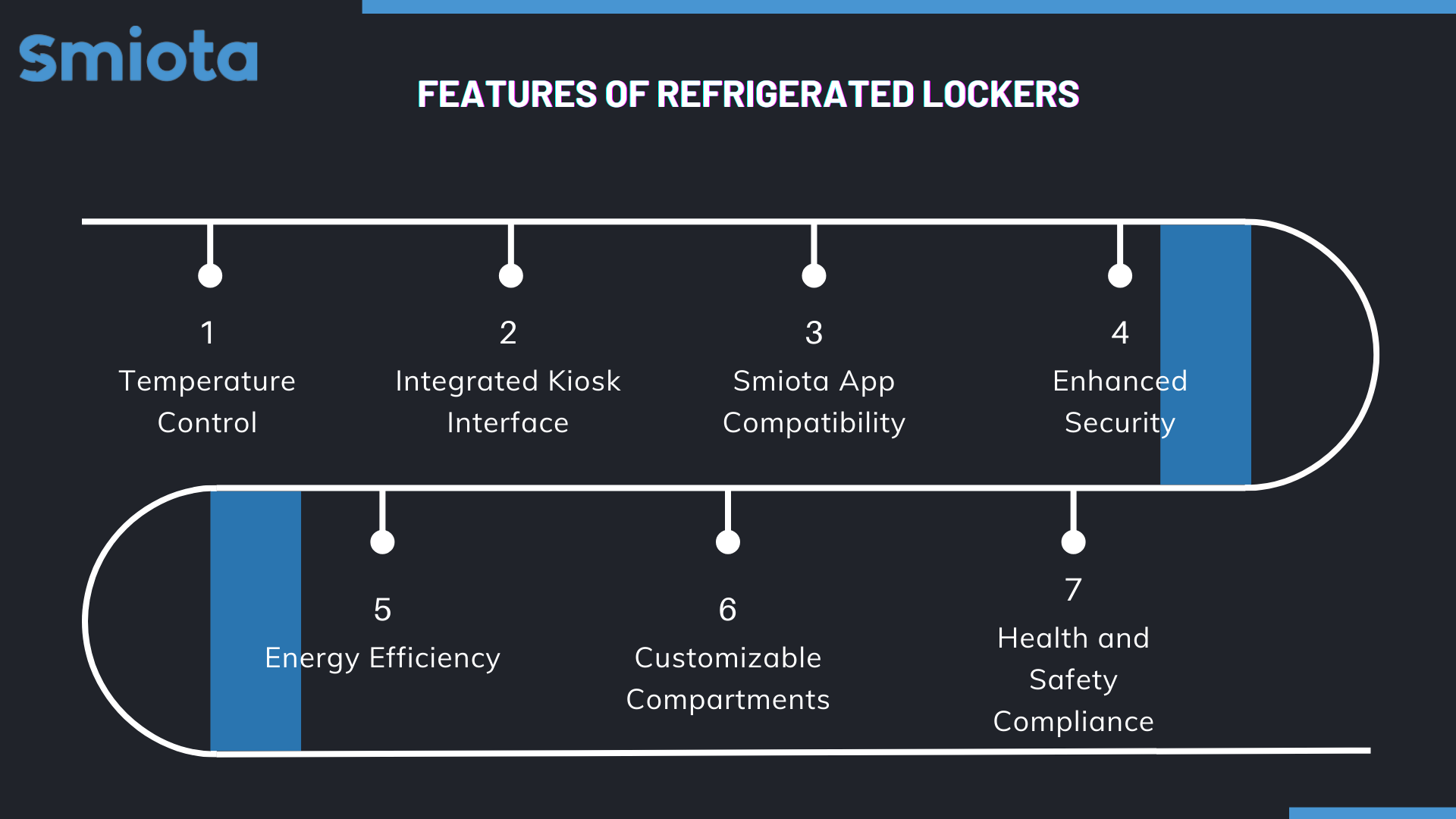
Refrigerated lockers offer a range of invaluable features to businesses requiring adaptability, efficiency, and user-friendly design. Such cold storage lockers blend sophisticated cooling technology and user-friendly features that prioritize the freshness and quality of their products. The combination of adjustable temperature settings, integrated kiosk systems, app connectivity, and additional security and customization options makes these lockers a versatile and essential tool in today’s market. They not only boost customer satisfaction but also enable businesses to diversify their product offerings.
The Diverse Uses of Refrigerated Lockers
Refrigerated lockers in public areas and delivery systems offer versatile storage for perishables in a controlled, cold environment. They’re ideal for:
- Perishable Foods and Beverages: Refrigerated lockers are ideal for grocery stores, specialty food outlets, and online food delivery services to store items like fresh produce, dairy, meats, and prepared meals and beverages requiring constant refrigeration, such as milk and juices.
- Pharmaceutical Products: These lockers are essential for storing medications, vaccines, and biological materials like blood samples at specific temperatures to preserve their effectiveness.
- Floral and Horticultural Products: Flowers, plants, and certain seeds often need cooler temperatures to maintain their freshness and vitality, making these lockers ideal for storage, particularly during transport or while awaiting pickup for online orders.
- Cosmetic and Skincare Products: High-end, organic, natural cosmetics and skin care products often require a cool environment to maintain quality and extend shelf life.
- Specialty Confectioneries and Baked Goods: Artisan chocolates, pastries, and specialty cakes require refrigeration to preserve flavor and texture
It is evident that refrigerated lockers are not just a convenience but a necessity in many industries. To better understand its impact and the innovative ways it’s being utilized, we will focus on the top businesses that have effectively integrated refrigerated lockers into their operations, transforming their services and customer experiences.
Top Business Types Utilizing Refrigerated Lockers
Some of the top businesses have embraced this technology, showcasing their commitment to excellence in product storage and customer convenience. For instance,
- Grocery Stores and Supermarkets: With the rise of online grocery shopping, supermarkets are implementing refrigerated grocery lockers for customer pickups. This allows customers to collect their perishable items at their convenience while ensuring that the products remain fresh.
- Food Delivery Services: Companies specializing in meal kits and food delivery use refrigerated lockers to deliver fresh ingredients to customers. These lockers provide a secure and temperature-controlled pickup point for customers who are not at home to receive their orders.
- Pharmacies and Healthcare Facilities: Refrigerated lockers are crucial for storing temperature-sensitive medications and vaccines in the healthcare sector. This application is particularly important for distributing medications that require cold chain management.
- Restaurants and Catering Services: To manage their supply chain more effectively, restaurants and catering services use refrigerated lockers for storing fresh produce and prepared foods. This is especially useful for businesses with limited space for large refrigeration units.
- Research Institutions and Laboratories: For scientific research, refrigerated lockers are essential for storing biological samples and chemicals that require specific temperature conditions.
- Florists: High-end florists use refrigerated lockers to keep flowers fresh before delivery or pickup. This is particularly important for preserving the quality and longevity of luxury floral arrangements.
- Fitness Centers and Health Clubs: These businesses are beginning to use refrigerated lockers for storing cold beverages, nutrition bars, and health supplements for their members.
- E-commerce Platforms: Online retailers that sell perishable goods, such as gourmet foods, chocolates, and certain cosmetics, are adopting refrigerated lockers to enhance their refrigerated delivery options.
- Corporate Offices and Co-working Spaces: Some workplaces are installing refrigerated lockers for employees to store their lunch and snacks, promoting healthy eating habits.
- Farmers’ Markets and Local Producers: Small-scale farmers and local food producers use refrigerated lockers as a point of sale or pickup for their fresh produce, dairy products, and meats.
Refrigerated lockers have proven to be an essential component in various business sectors. These specialized storage units are designed to maintain a controlled temperature environment, making them ideal for a range of applications.
Wrapping up
Refrigerated lockers are indispensable to businesses aiming to enhance customer satisfaction and ensure customer loyalty. From grocery stores offering fresh and perishable goods to pharmaceutical companies ensuring the safe delivery of temperature-sensitive medications, these innovative solutions cater to a wide range of customer needs. The integration of refrigerated lockers signifies a proactive step towards accommodating modern consumer demands, offering a blend of convenience, quality, and reliability. As customer expectations continue to evolve, businesses adopting these technologies are not only keeping pace but are also setting new standards in customer service and satisfaction.
The post Top Business Types that Use Refrigerated Lockers to Keep Their Customers Happy appeared first on Smiota.
]]>The post 10 Reasons to Include Temperature-controlled Lockers in your Apartment Mailroom appeared first on Smiota.
]]>People increasingly purchase perishable foods, pharmaceuticals, and sensitive electronics as online shopping diversifies. This shift necessitates a modern solution in apartment and university resident hall mailrooms: temperature-controlled lockers. These lockers maintain optimal conditions, whether items need to be cooled or shielded from heat, ensuring they stay in perfect condition until pickup. Beyond preserving items, these lockers also enhance convenience and security, making them indispensable in today’s living complexes.
Let’s explore the top ten reasons why incorporating these innovative lockers can transform the mailroom into a more functional and resident-friendly space.
Top 10 Reasons For Temperature-controlled Lockers
Temperature-controlled lockers in apartment mailrooms offer a variety of benefits that can significantly enhance the convenience and security of mail and package deliveries. Here are several reasons why including these specialized lockers can be advantageous:
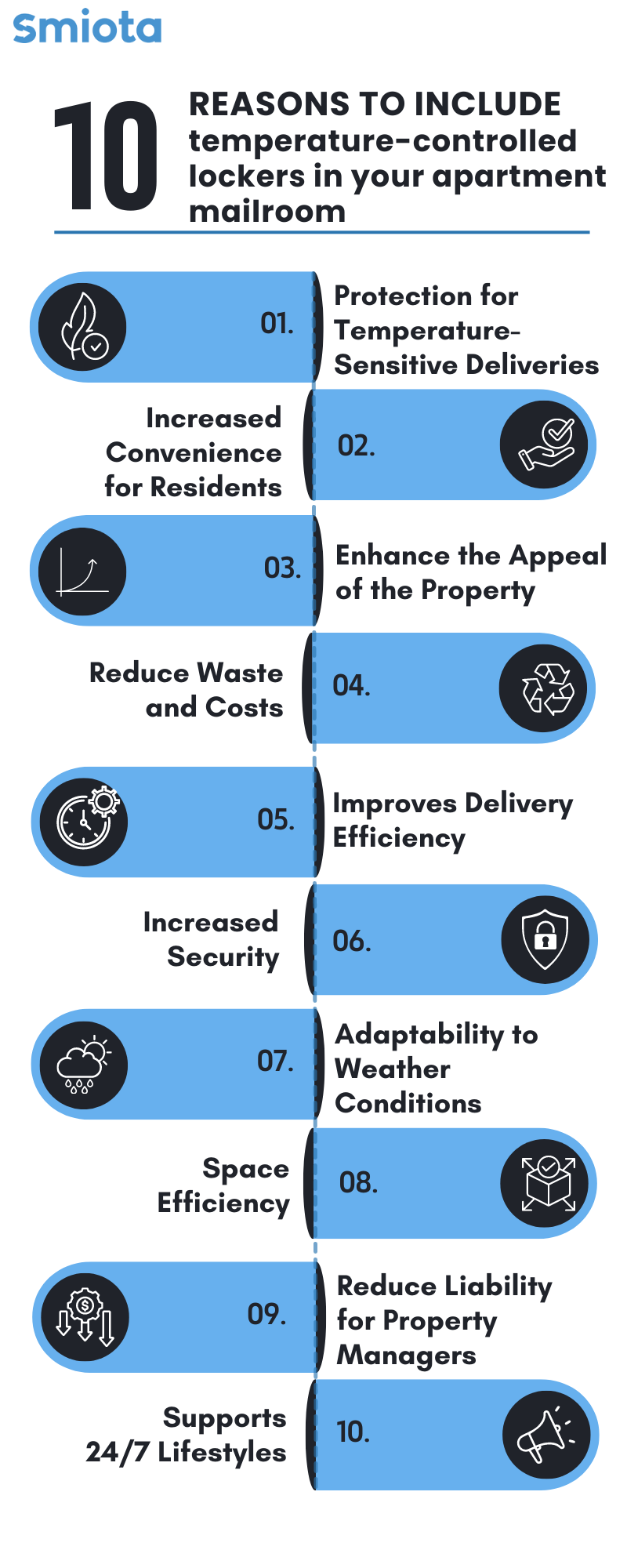
1. Protection for Temperature-Sensitive Deliveries
Many items, such as pharmaceuticals, perishable goods, and sensitive electronics, require specific temperature conditions to maintain their integrity. Temperature-controlled lockers ensure that such items remain in optimal condition until the recipient picks them up.
2. Increased Convenience for Residents
Residents no longer have to plan their day around the delivery schedule of perishable items or rush home to prevent damage to temperature-sensitive goods. They can confidently order a wide range of products, knowing they will be stored safely until retrieval.
3. Enhancing the Appeal of the Residence
Modern renters and buyers often look for amenities that provide convenience and enhance their lifestyle. Temperature-controlled lockers can be a selling point for potential residents who value innovative solutions for everyday problems.
Similarly, university residence halls can attract and retain students by offering such modern amenities, which are especially appealing to those who value convenience and advanced solutions to everyday challenges.
4. Reducing Waste and Costs
Temperature-controlled lockers help reduce waste by providing a means to properly store items that might otherwise spoil or suffer damage. This not only benefits the residents by reducing the need for replacements but is also environmentally friendly.
5. Improving Delivery Efficiency
Delivery personnel can drop off items at any time, regardless of whether the recipient is home. This efficiency can reduce the need for re-deliveries and the associated costs and hassles.
6. Increasing Security
These lockers can be equipped with security features like cameras, secure access codes, and alerts to the recipient when their package is delivered. This reduces the risk of theft or tampering, which is particularly important for expensive or critical items.
7. Adaptability to Weather Conditions
Regular mailboxes or outdoor delivery areas can be too hot or cold in extreme climates, damaging goods. Temperature-controlled lockers can adapt to different weather conditions, ensuring that items remain safe regardless of the external temperature.
8. Space Efficiency
These lockers can be designed to maximize space in mailrooms, allowing for a larger volume of packages to be stored securely. This is particularly beneficial in high-density living areas where space is at a premium.
9. Reducing Liability for Property Managers
By ensuring that deliveries are not damaged due to improper storage conditions, property managers reduce their liability. This can also lead to higher resident satisfaction and lower turnover.
10. Supporting 24/7 Lifestyles
In today’s round-the-clock society, people expect services that conform to their schedules. Temperature-controlled lockers cater to this need by making it possible to safely receive packages anytime, which is compatible with varied and busy lifestyles.
Incorporating temperature-controlled lockers into an apartment mailroom or university residence hall is an investment in enhancing the quality of service provided to residents, positioning the facility as forward-thinking and resident-centric. This upgrade not only improves the practicality of package deliveries but also boosts the overall appeal of the residence.
Use Cases of temperature-controlled lockers
Here are a few compelling use cases for including temperature-controlled lockers:
In apartment mailrooms:
- Grocery Deliveries: Online grocery shoppers can store perishable items like dairy and produce safely until collection, convenient for residents with busy schedules.
- Medication Storage: These lockers maintain the necessary temperatures for medications, ensuring their effectiveness and safekeeping for residents.
- Specialty Item Care: Protects items requiring specific climate conditions, such as high-end cosmetics, specialty wines, or sensitive electronics, from extreme temperatures.
- Meal Kit and Prepared Meal Deliveries: Keeps meal kits and prepared meals fresh in the mailroom, supporting busy residents with a reliable dining option.
In university residence halls:
- Student Meal Plans: Temperature-controlled lockers can store meal deliveries or meal plans, which is convenient for students with tight academic schedules.
- Academic Materials: Sensitive academic materials, like lab specimens or electronic devices needed for coursework, can be kept at optimal temperatures, ensuring they are preserved until students can retrieve them.
Temperature-controlled lockers in apartment mailrooms enhance their residents’ convenience and quality of life while positioning their properties as forward-thinking and responsive to the evolving needs of modern urban living. While several such lockers are in the market, Smiota’s temperature-controlled lockers remain top contenders with advanced technology and distinct features.
Smiota’s Temperature-Controlled Lockers: Ensuring Optimal Storage for Every Need
In modern apartment complexes, where the convenience and safety of deliveries are paramount, Smiota’s temperature-controlled lockers provide an innovative solution to manage parcels of all types, particularly those requiring specific surrounding conditions. Smiota offers four types of temperature-controlled lockers: Refrigerator Units, Freezer Units, Ambient Units, and Heated Units. Each type is designed to cater to different storage needs, ensuring that everything from groceries to medical supplies is kept in optimal condition until pickup.
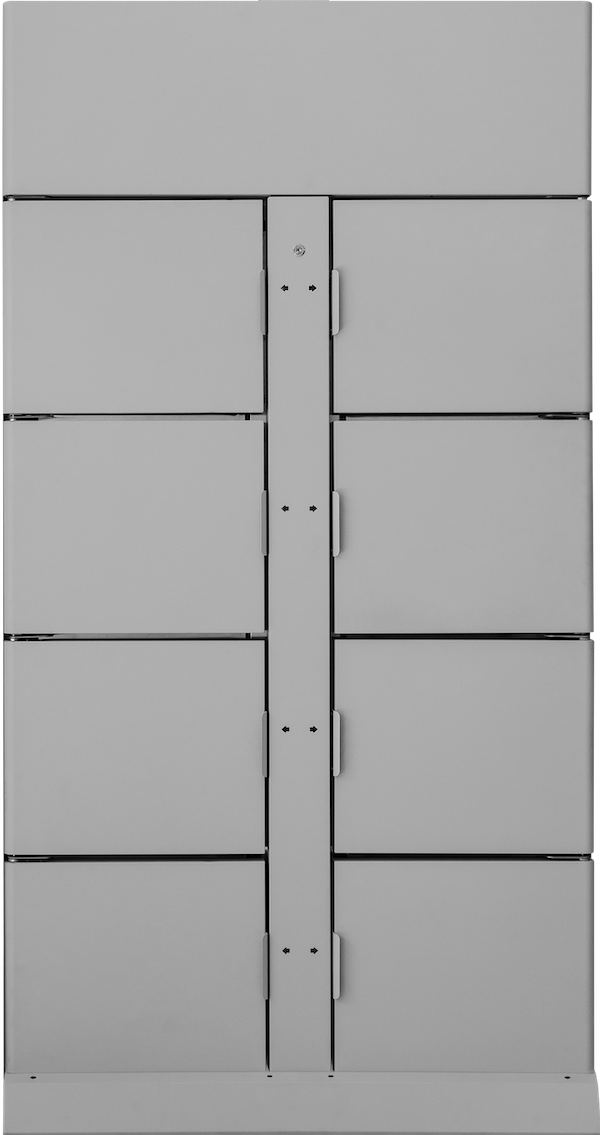
Types of temperature-controlled units
- Refrigerator Units: Ideal for perishables like groceries and pharmaceuticals, maintaining 35°F to 44°F with high-efficiency cooling systems to preserve freshness and efficacy.
- Freezer Units: Essential for keeping goods like frozen foods and ice cream at temperatures between 0°F and -10°F, equipped with advanced insulation and cooling technologies.
- Ambient Units: Suitable for items requiring room temperature storage (68°F to 77°F), perfect for electronics and certain apparels, protecting them from extreme temperatures.
- Heated Units: Provides a warm environment (60°F to 110°F) for heat-sensitive items such as tropical plants and some medical supplies, ensuring protection from the cold.
Straightforward installation and upkeep
Installing Smiota’s temperature-controlled lockers in your apartment mailroom requires assessing space, power supply, and connectivity for their digital features, including a user-friendly interface and advanced security with digital locks and surveillance compatibility. These secure lockers ensure parcels are maintained in optimal conditions and facilitate easy retrieval via access codes or smartphone apps. Additionally, their energy-efficient design helps minimize environmental impact and reduce management costs.
Easy Installation
- Modular Design: Smiota lockers offer customizable setups for various mailroom sizes, ensuring easy integration.
- Professional Installation Services: Smiota provides expert installation, including site evaluation and planning for precise setup.
- Minimal Structural Impact: These freestanding units require little to no modifications, preserving the mailroom’s aesthetics.
Effortless Maintenance
- Durable Construction: Built from high-quality materials, Smiota’s lockers are designed for durability with minimal maintenance.
- Easy-to-Clean Surfaces: The lockers have smooth, easy-to-clean surfaces, requiring only basic cleaning for hygiene.
- Advanced Technology: Features like temperature sensors and automated checks ensure optimal performance with low upkeep.
- Responsive Support: Smiota’s ongoing support ensures quick resolutions to maintain locker functionality.
Smiota’s temperature-controlled lockers are designed for effortless installation and maintenance. They offer a practical and efficient amenity upgrade for apartment complexes, ensuring residents receive their deliveries in perfect condition with minimal hassle.
Conclusion
The inclusion of temperature-controlled lockers in both apartment mailrooms and university residence halls significantly enhances how residents and students receive and store their packages. As the trend of shopping online grows, the need for accommodating sensitive and perishable goods becomes increasingly prevalent in urban living spaces and academic settings. These lockers ensure the integrity and safety of deliveries, contributing to the convenience and satisfaction of residents and students alike. These advanced solutions can more than meet the needs of modern urbanites and students and remain at the forefront of the competitive rental and campus housing markets. Ultimately, integrating temperature-controlled lockers is about upgrading facilities, elevating living experiences, and seamlessly meeting residents’ expectations.
The post 10 Reasons to Include Temperature-controlled Lockers in your Apartment Mailroom appeared first on Smiota.
]]>The post How Smart Lockers Are Helping in Transforming Campus Dining Experience appeared first on Smiota.
]]>Challenges Usually Faced by Students in Campus Dining
Campus dining is a crucial aspect of university life, but it comes with challenges.
- Long queues and wait times are a common frustration for students, especially during peak dining hours. This often leads to wasted time that could be better utilized for studying or leisure activities.
- The limited hours of operation for dining facilities pose a problem for students with schedules that include evening classes or late-night study sessions, making it difficult to find open eateries when most needed.
- Traditional campus dining setups struggle to cater to the increasing demand for dietary diversity. Students today are looking for various dining options that include vegetarian, vegan, and allergen-free choices to accommodate their specific dietary needs.
- In the digital age, there’s a strong desire among students for convenience and on-demand services. They seek more flexible and efficient ways to access their meals without sacrificing quality or variety, highlighting a significant gap in the traditional campus dining experience.
As universities strive to address these dining challenges, one innovative solution has emerged: smart locker systems. These systems transform the campus dining experience by offering a seamless, efficient, and diverse dining option that aligns with the modern student’s lifestyle and preferences.
Introducing Smart Locker Systems: A Solution to Campus Dining Woes
To address the above challenges, universities are increasingly turning to smart locker systems, a novel solution that promises to redefine the campus dining landscape.
Key features of smart lockers
- 24/7 Access: Allows students and staff to pick up their orders at any time, accommodating varying schedules and late-night study sessions.
- Contactless Pickup: Minimizes the need for direct interaction, enhancing safety and convenience.
- Temperature-Controlled Options: Ensures food items remain at the appropriate temperature in refrigerated lockers until pickup, preserving freshness and quality.
- Customizable Solutions: Offers the ability to tailor the food locker setup to meet specific campus needs, including size, location, and aesthetic preferences.
- Secure Storage: Provides a safe environment for food orders until they are picked up, reducing the risk of theft or tampering.
- Automated Notifications: Sends alerts to recipients when their orders are ready for pickup, ensuring timely collection and customer satisfaction.
- Efficient Management: Streamlines campus food delivery and pickup, reducing congestion and wait times in dining areas.
- Sustainability: Reduces waste and energy consumption compared to traditional food delivery methods.
These features create a more efficient, safe, and pleasant dining experience on campus, leveraging technology to meet the evolving needs of university communities, offering numerous advantages.
Related: Food Lockers – The Future of Food Pickup and Delivery
Benefits of Implementing Smart Lockers in Universities
Smart lockers, integrated with digital ordering platforms, allow students to order food from campus eateries via a mobile app or website. Once the food is prepared, it’s securely placed in a temperature-controlled locker that can be accessed by the student at their convenience using a unique code or their student ID. Smart lockers can transform campus dining in the following ways:
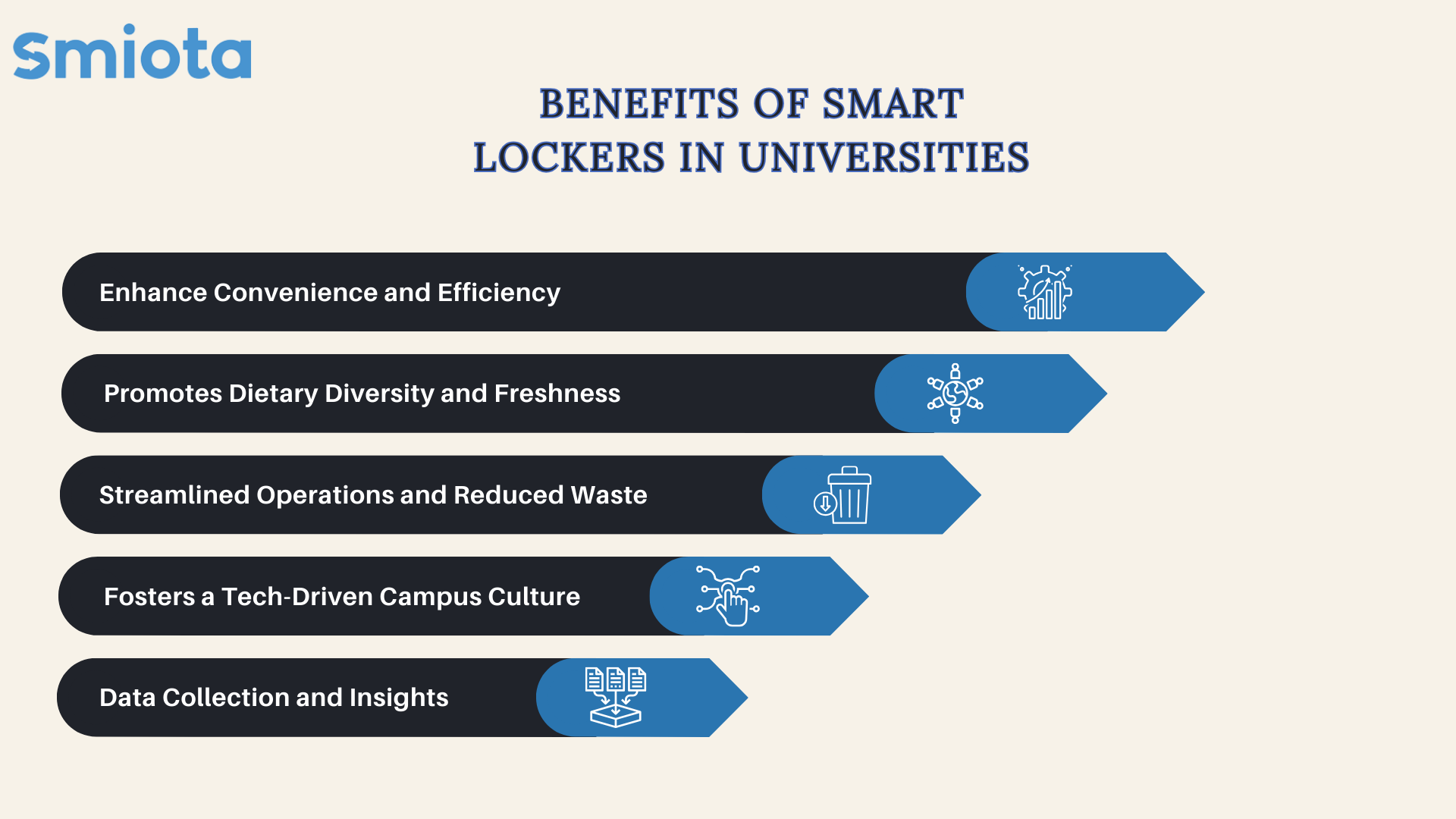
Enhancing Convenience and Efficiency
Smart lockers revolutionize the pickup process by eliminating the need for queues, catering to the modern student’s demand for speed and efficiency in service.
These lockers extend dining service hours to accommodate every student’s schedule, offering round-the-clock access to food. This flexibility ensures students can grab a meal whenever their busy lives allow, be it for a late-night study session snack or an early morning breakfast, seamlessly fitting into the unpredictable rhythms of campus life.
Promoting Dietary Diversity and Freshness
Smart lockers maintain food at precise temperatures, preserving the freshness and safety of meals. This technological feature broadens the spectrum of dietary options available, from hot entrees to cold salads and perishable snacks.
These refrigerated lockers support a diverse menu that caters to various dietary needs and preferences, including vegan, vegetarian, and gluten-free options. This diversity enriches students’ dining experiences, offering them a more comprehensive meal selection that meets their dietary requirements.
Streamlining Operations and Reducing Waste
Universities benefit from smart lockers’ operational efficiencies, such as reduced staffing needs and minimized dining area space requirements. This efficiency cuts costs and supports a more streamlined food service operation.
By synchronizing order placements with pickup times, smart lockers significantly reduce food waste. Meals are prepared to order and securely stored until pickup, ensuring that food is fresh, and waste is minimized.
Fostering a Tech-Driven Campus Culture
Implementing smart lockers signals a shift towards a more technologically adept campus culture. This move aligns with the expectations of a digital-native student body that values and relies on technology for convenience in their daily lives.
By adopting such cutting-edge solutions, universities not only address the immediate needs of their students but also establish themselves as forward-looking institutions that embrace innovation and change, fostering a campus atmosphere that is both progressive and responsive to technological advancements.
Data Collection and Insights
The technology behind smart locker solutions captures essential data on meal preferences, peak pickup times, and user feedback. This data is instrumental in refining menu selections, adjusting operational hours, and enhancing overall service quality, making the dining experience more attuned to the needs of the modern campus population.
Smart lockers offer a forward-thinking solution to traditional campus dining challenges, enhancing the experience for all involved and setting a new standard for convenience, safety, and efficiency in food service. Undoubtedly, there’s more to smart lockers than the focus on university dining services.
Beyond Meals: Smart Lockers for Multi-Functionality
The versatility of smart lockers extends beyond dining services. They can also be used for:
- Library Book Pickups: Students can reserve and pick up library materials through smart lockers without stepping into the library.
- Textbook Distributions: Smart lockers can facilitate the distribution and return of textbooks, saving students time and hassle.
- Package Delivery: Students can securely receive online orders and packages via smart parcel lockers.
Conclusion
Smart locker systems are at the forefront of transforming the campus dining experience, offering a solution that marries convenience with efficiency, diversity, and sustainability. By addressing the common challenges students face, these systems not only enhance the quality of campus life but also reflect a broader trend toward integrating technology in educational settings. As universities seek ways to meet and exceed student expectations, the role of smart lockers will undoubtedly expand, further revolutionizing not just how students dine but how they engage with their campus environment as a whole, setting a new standard for future generations, where convenience and quality go hand in hand.
The post How Smart Lockers Are Helping in Transforming Campus Dining Experience appeared first on Smiota.
]]>The post Food Lockers – The Future of Food Pickup and Delivery appeared first on Smiota.
]]>
What are Food Lockers?
Food lockers are secure, temperature-controlled storage units designed to hold food orders until they are picked up by customers or delivery personnel. They are generally located in easily accessible areas, such as outside restaurants, malls, university lobbies, or transit stations. These lockers can be operated via a digital interface, where customers receive a unique code or use a mobile app to open the locker containing their order.
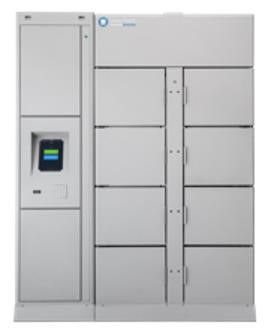
Smiota’s food storage locker
This system addresses several challenges faced by traditional food pickup and delivery methods. For instance, it reduces human contact, which became a significant concern during the COVID-19 pandemic. Food lockers also mitigate issues like order mix-ups, delays, and food quality degradation that can occur with prolonged transit times.
Given these apparent benefits in managing common food delivery issues, let’s move on to the specific advantages of food storage lockers, particularly in how they revolutionize the efficiency and safety of food handling.
Advantages of Food Storage Lockers
Advantages of food lockers
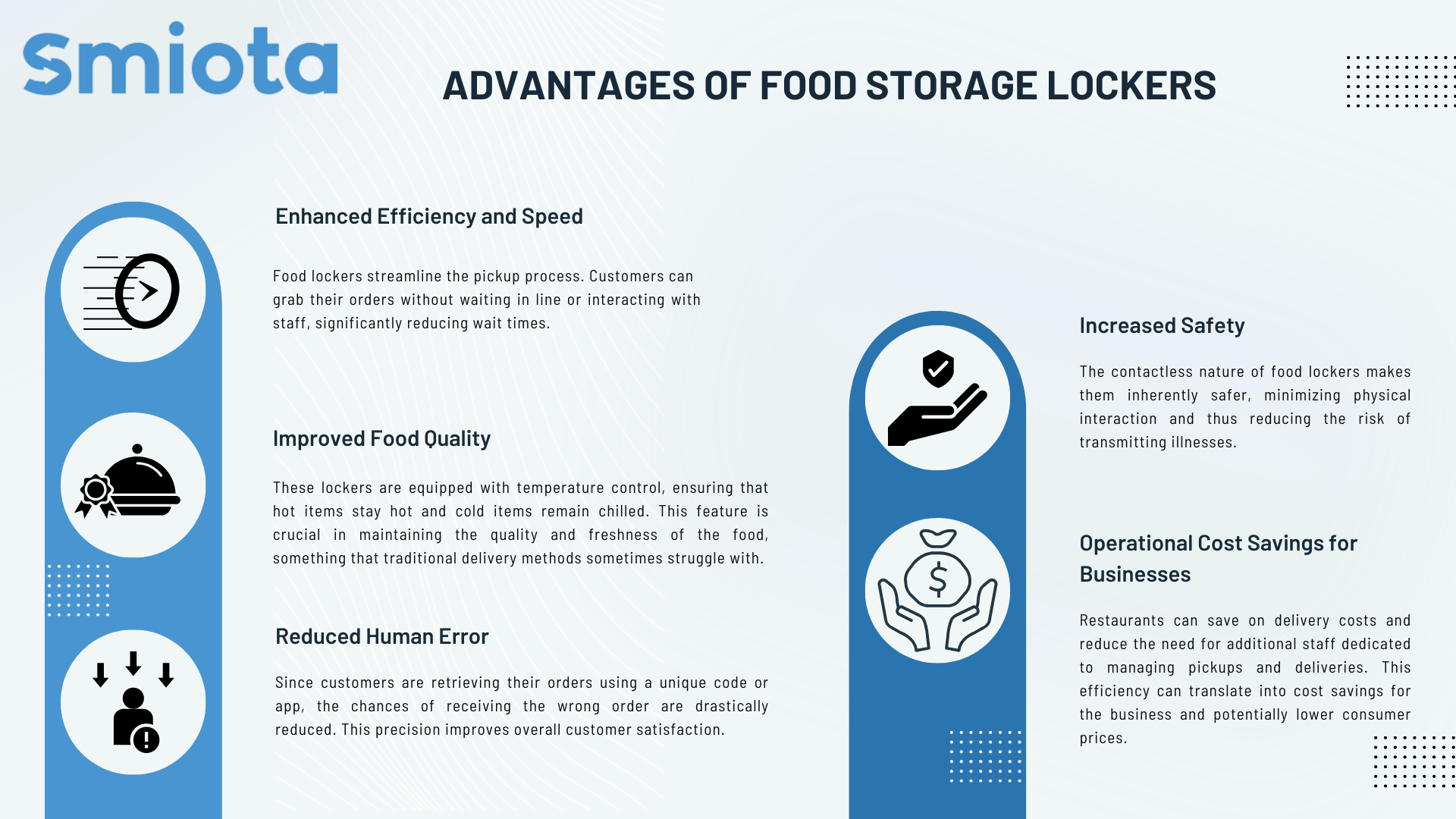
- Enhanced Efficiency and Speed: Food lockers streamline the pickup process. Customers can grab their orders without waiting in line or interacting with staff, significantly reducing wait times.
- Improved Food Quality: These lockers are equipped with temperature control, ensuring that hot items stay hot and cold items remain chilled. This feature is crucial in maintaining the quality and freshness of the food, something that traditional delivery methods sometimes struggle with.
- Reduced Human Error: Since customers are retrieving their orders using a unique code or app, the chances of receiving the wrong order are drastically reduced. This precision improves overall customer satisfaction.
- Increased Safety: The contactless nature of food lockers makes them inherently safer, minimizing physical interaction and thus reducing the risk of transmitting illnesses.
- Operational Cost Savings for Businesses: Restaurants can save on delivery costs and reduce the need for additional staff dedicated to managing pickups and deliveries. This efficiency can translate into cost savings for the business and potentially lower consumer prices.
[button link=”/package-lockers/temperature-controlled-lockers/” type=”big” newwindow=”yes”] Explore Food Locker Solutions[/button]
Factors to Consider While Choosing a Food Locker
When selecting a food locker, consider the following factors to ensure your choice meets your specific needs for food storage and preservation.
- Location: The convenience of a food locker is heavily dependent on its location. Ideally, they should be situated in areas that are easily accessible and secure.
- Size and Capacity: Depending on the volume and variety of food that needs to be stored, the size and number of compartments in a locker are critical. A good food locker setup should accommodate everything from small snack orders to large family meals.
- Temperature Control Capabilities: A high-quality food locker should have robust temperature control mechanisms to ensure food remains fresh and at the correct temperature, whether hot or cold.
- Security Features: Security is paramount since food lockers are often in public or semi-public spaces. To prevent theft or tampering, lockers should have secure access, possibly linked to a customer’s order details.
- User Interface and Accessibility: The system used to interact with the locker, whether an app or a physical interface, should be user-friendly, reliable, and accessible for all users, including those with disabilities. For instance, Smiota offers an easy-to-use mobile application that customers can use to manage their food pickup.
The advent of food lockers represents a significant leap in the evolution of food pickup and delivery services. This innovation reshapes how we interact with our favorite eateries, offering convenience, efficiency, and safety.
Food Lockers – Redefining the Future of Food Pickup and Delivery
Here’s an in-depth look at how food lockers are revolutionizing this space:
Enhanced Convenience and Flexibility
- Time-saving: Food lockers eliminate the need for customers to wait in line or interact with staff. Customers can place their orders online and pick them up from designated lockers at the customer’s convenience.
- 24/7 Access: Many food locker systems operate around the clock, allowing customers to collect their orders anytime, which is particularly beneficial for those with unconventional schedules. In fact, 24/7 availability is one of the key differentiators of Smiota’s temperature-controlled food lockers.
Improved Order Accuracy and Quality
- Automated Systems: With less human intervention in the ordering and pickup process, the chances of order mix-ups or errors are significantly reduced.
- Maintained Freshness: Advanced food lockers are equipped with temperature control features, ensuring that meals remain hot or cold as required, preserving taste and quality.
Contactless and Hygienic
- Minimizing Physical Interaction: The demand for contactless services has surged in the post-pandemic world. Food lockers provide a hygienic solution by minimizing human contact.
- Reduced Contamination Risk: The enclosed nature of lockers helps protect food from environmental contaminants and handling, promoting food safety.
Streamlined Operations for Restaurants
- Efficiency in Service: Food lockers allow restaurants to manage high volumes of orders more effectively, reducing the strain on staff during peak hours.
- Cost-Effective: By cutting down on delivery logistics and minimizing face-to-face interactions, restaurants can reduce operational costs.
Environmental Impact
- Reduction in Packaging Waste: With the decreased need for elaborate packaging required for traditional deliveries, food lockers can contribute to reducing packaging waste.
- Lower Carbon Footprint: By centralizing pickups and reducing delivery trips, food lockers can help lessen vehicle emissions associated with food delivery services.
Integration with Technology
- Smartphone Integration: Most food locker systems are integrated with mobile apps, allowing customers to track orders, receive notifications, and unlock their designated locker through their smartphones.
- Data Analytics: For restaurants, integrating food lockers with their management systems provides valuable data analytics, aiding in menu optimization and customer preference analysis.
Customized Customer Experiences
- Personalization: Food lockers can be programmed to remember customer preferences, making repeat orders more convenient and personalized.
- Branding Opportunities: They offer a new avenue for branding, as businesses can customize locker designs and interfaces to enhance brand visibility and customer engagement.
By offering a harmonious blend of technology, convenience, and efficiency, food lockers are setting new standards in how we think about food pickup and delivery. As technology evolves and integrates more seamlessly with our daily lives, it promises to streamline our dining experiences further, making them more enjoyable, efficient, and in tune with contemporary lifestyle demands.
Final Thoughts on Food Lockers
The future of food pickup and delivery is here, more innovative than ever before. The rise of food lockers is a testament to the dynamic nature of the food service industry and its responsiveness to evolving consumer needs and technological advancements. As we move forward, these systems will become more sophisticated, integrating with AI for predictive ordering and even robotics for food preparation and loading.
The environmental footprint of food delivery is already a key consideration. Future food locker systems might incorporate sustainable materials and energy-efficient designs, aligning with global efforts to reduce carbon emissions. Clearly, food lockers are not just a temporary fix or a niche trend; they represent a significant leap towards a more efficient, safe, and customer-friendly food pickup and delivery system.
The post Food Lockers – The Future of Food Pickup and Delivery appeared first on Smiota.
]]>The post A Smarter Future: Interesting Use Cases for Temperature Controlled Lockers appeared first on Smiota.
]]>
Student Food Insecurity
Here’s an example that people may not expect. However, it’s creating ripples in the student activism circles and beyond. We’re talking about temperature-controlled lockers to fight student food insecurity. Students are using smart lockers on campus to redistribute food on campuses. It’s a clever and effective way to combat an urgent need.
And much of the broader society doesn’t realize just how urgent this situation is. While talk of student debt is often in the headlines, many don’t realize the implications of what tuition costs demand of students during their time in the classroom as well. According to a 2017 study, Among students surveyed, 15% were food insecure; an additional 16% were at risk of food insecurity. This is “an important public health concern that might have implications for academic performance, retention, and graduation rates.”
Unfortunately, it’s a societal failure that ripples all through the ages. Childhood hunger and poverty are rampant. In the state of Maryland, for example, from 2007 to 2015, the “number of public school students eligible for free and reduced-price meals increased by 39%, with more than 45% of the student population now below the income threshold necessary to receive a free or reduced-price meal at school.” In a country that has the prowess to invent, install, and utilize smart technology, there is really no excuse for any child to go hungry due to a lack of access to resources.
Our laws need to change urgently as do our aptitudes for compassion. Unfortunately, our current political process is not always able to meet urgent needs with speed and efficiency. Smart lockers can support community members in mutual aid and resource redistribution to cover those gaps. Our neighbors are the ones who organize support when institutions fail. Smart tech can help.
Co-Working Spaces
Co-working spaces are growing in popularity – even more so now in the wake of the great “work-from-home” move of the last couple of years. More workers than ever prefer to work in their own space on their own schedule. Self-started businesses and side-hustles are the norm. Businesses are re-thinking their brick-and-mortar practices and permanently shifting to remote staff. With all of these trends, co-working spaces are in high demand and on the rise.
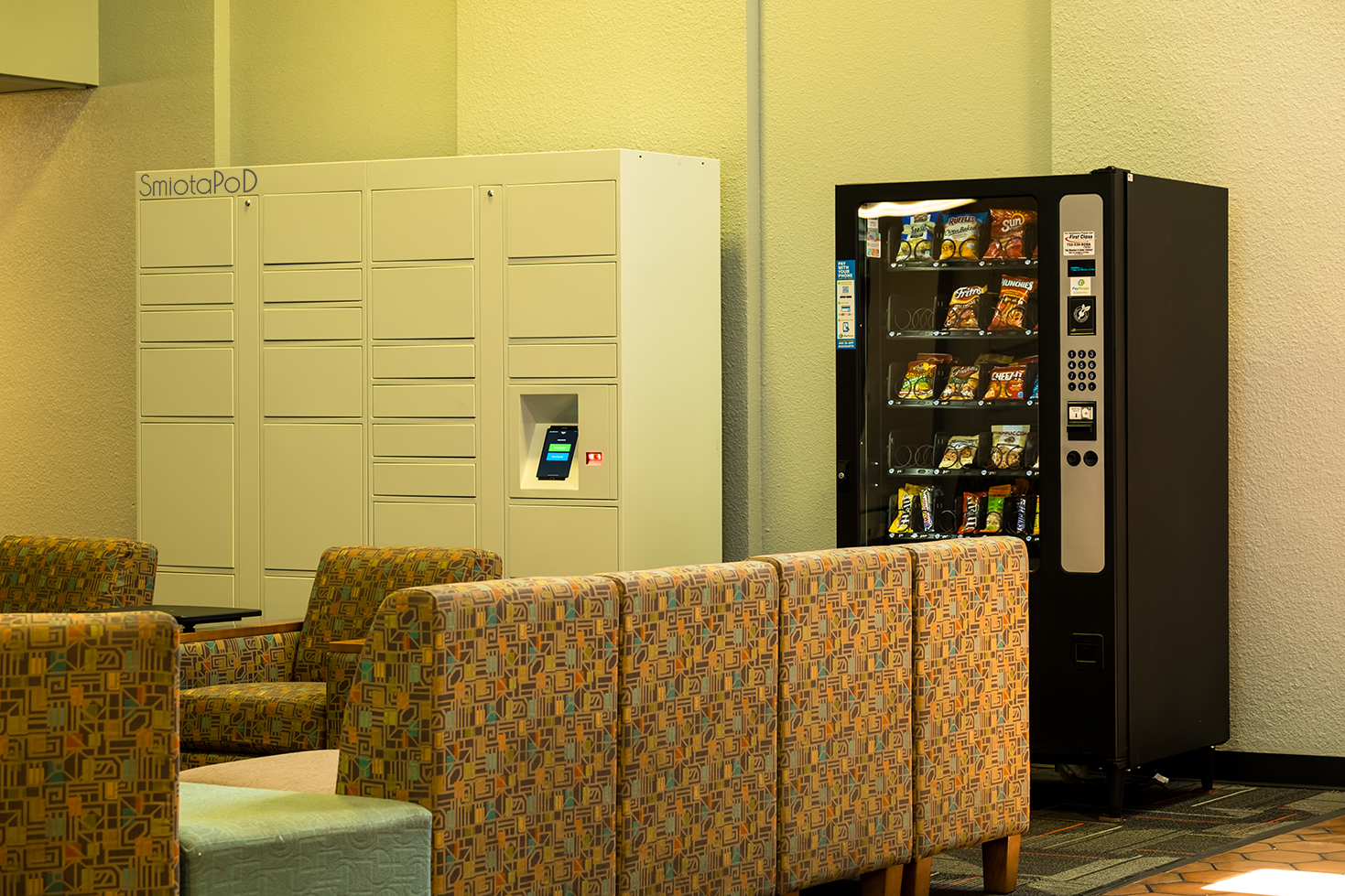
And all of this presents an interesting use case for temperature-controlled lockers. Every co-working space is different and presents unique needs. They’re sure to continue to grow in popularity as people move away from working in a company office setting, but still require the amenities of an office environment. Some people will use smart lockers to store their lunch while they make use of the quiet common space. It’s possible that team members may need to safely and securely hand off materials. Members of a co-working space will need a temperature-controlled space where their deliveries arrive.
Healthcare
Practices like telehealth and remote health care are also on the rise. And in the pandemic, we watched as our health care system strained under the weight of too much demand and not enough support. Most can agree that upgrades in efficiency that improve the working conditions of providers while better meeting the needs of patients is a big plus. Smart lockers can do just that.
In the case of pharmacies, smart lockers reduced the wait time for recipients to mere minutes and improved their privacy while doing so. Additionally, smart lockers can be used for hospital staff to better maintain important exchanges of information and gear. Smart lockers can be a major improvement for care facilities with long-term residents receiving packages, prescriptions, or even food.
Even in the case of holistic and traditional medicine practices, smart lockers have a role to play. For example, in partnership with allopathic medicine, we can use plants, physical therapy, and mental health care in preventative ways to create a smarter, healthier future. What if, in the same community hub, people could use smart lockers to access their prescriptions, weights and braces, and even an herbal tea that supports sleep? In other words, these are the dreams that we can build into a smarter future, powered by the creativity of humans combined with the possibilities of technology.
Conclusion
The ways we learn, work, and take care of one another are incredibly important. It all combines to impact the quality of our lives. While something like temperature-controlled lockers may seem small, in looking at these examples it’s easy to see what an impact efficient and effective smart technology can truly be. Ultimately, it’s an exciting time to imagine what’s possible and to tackle issues that have plagued our societies for far too long. We can move forward into a smarter future.
The post A Smarter Future: Interesting Use Cases for Temperature Controlled Lockers appeared first on Smiota.
]]>The post How Library Smart Lockers Streamline the Library Return Process appeared first on Smiota.
]]>Literary greats live inside library shelves. There are research journals. Memoirs of eras long gone await discovery. These places are community hubs. Libraries provide needed access to computers and printers. Also, trained library technicians can work like superheroes for people. They might help a grade-schooler with a project and assist a person in writing their resume. Amazingly, this can take place in the same hour. It may not be glamorous, but the impacts are undeniable.
Free and ongoing access to educational materials and information is a key component to any democratic society. They are integral to our understanding of ourselves and to our world. Afterschool programs, guest lectures, a chair to sit in and read – the impacts of a library space are difficult to overstate.
Libraries also hold the line of technology access and empowerment. This is more important with each passing year. Tech literacy is a huge boon in our societies today. As such, these spaces must remain abreast of technological advances and opportunities. This reality can be applied to many areas of a library’s organization and daily operations.
Today, we are going to zone in on how smart lockers are a means of streamlining the return process at libraries. However, their impact can ripple out, too. These systems can and will create new, more efficient possibilities in the process.

Smart Lockers In The Library
A well-functioning library depends on the talented professionals who make the building hum with learning and possibility. There are systems that can make or break this collaborative song in a space that entirely depends on functionality. Smart lockers are perfect in this situation.
Smart lockers are accessible to anyone with a smartphone or access to the internet – which is often right there in the library. These lockers lend organizational support to any setting. This support is clean and customizable. It can be designed to fit right in or stand out. So while smart lockers may be a new addition to the space, additionally, they seamlessly fold into the needs and processes of materials transfers and technological exchange.
What This Looks Like
We can use our imaginations to create a handful of scenarios where smart locker technology could be a big help in a library setting. Excitingly, those brainstorms can be put into practice with ease and efficiency to last.
For example, when a person orders a book to be transferred from another library, smart lockers would be an ideal system for storing that transferred book until the person returns to retrieve it. The person would get an immediate notification that their items are ready, for instance. The amount of time that staff members would need to dedicate to the process could shrink from many minutes to seconds. It would be a quick and easy transfer at every point in the chain.
There’s another set of examples to consider. Many libraries offer rental equipment. Items such as computers, cameras, projectors, and more are available. Therefore, people – who might not otherwise use the gear – have access to them. With smart lockers, visitors would be able to rent this gear with increased efficiency and security. Because smart lockers are able to prevent theft and are of various sizes. As a result, they are a perfect match for this scenario.
Streamlined Library Returns
Let’s turn our attention to an age-old conundrum for library professionals and book borrowers alike: streamlining library returns. Again, smart lockers can be a big help. This is because these improved systems lead to more efficient handoffs. This is true on the front end. It is also the case in the return process. Above all, smart lockers improve the exchanges between the library and individuals.
We’ve touched on how smart lockers minimize organizational labor hours. As a result, we know that the security of expensive tech is improved. All these factors add up. They save time and improve the functionality of the library as a whole. Each part is connected. More importantly, dedicated, passionate professionals can define a library’s learning space. Smart lockers empower these workers to do the work they love. And this systems upgrade will minimize the exhausting, thankless admin and organization tasks that goggle up precious hours The whole endeavor will flourish in new ways, better serving the community.
In conclusion, all communities should be entitled to equitable means of learning. Smart lockers can help to cover the gaps. They improve the safety and security of the space. Moreover, smart lockers help with the important work of individuals, no matter their story.
The post How Library Smart Lockers Streamline the Library Return Process appeared first on Smiota.
]]>The post University Smart Lockers: Fighting Food Insecurity appeared first on Smiota.
]]>But why stop at mailroom logistics, when smart lockers create windows of opportunity in a plethora of areas?
Most importantly, university smart lockers have an important role to play in one of the most desperate issues facing students today: food insecurity.
It’s an exciting prospect to implement, especially because there are already organizations working to solve food waste and food redistribution issues within various campus communities.
Smart lockers are a way for academic institutions to collaborate with these often student-led initiatives and align with important legislation. In doing so, we better support students facing food insecurity and could eventually eliminate the scenario entirely.
Student Food Insecurity
When we think of young students working hard to earn their education, we think of strenuous exams, long research papers, study abroad exchanges, and pulling all-nighters to pass a particularly difficult class. These “living myths” of the university and college experience are not erroneous – but they do not always account for the financial burden and insecurities that students must take on in order to even enroll.
And unfortunately, with the sky-rocketing cost of living, paired with exorbitant tuition costs, and now, a global pandemic, food insecurity for students is a very real, detrimental occurrence today.
According to a recent report from Chegg in partnership with Swipe Out Hunger, nearly one-third – 29% – of students have missed meals at least once a week in 2020. 35% of college students report that hunger has impacted their ability to study at various points in their education.
Additionally, over half of the surveyed students report that they use off-campus food banks – some of them depending on these food shelves once or more per month. This is especially true for students who are also parents or are working to support their families and seems to impact female students in higher numbers. Over half of all students must reach out to their family members for money for food, while 24% of students take out loans to cover food costs. One-third of students report that they know a peer who has had to drop out of school due to food insecurity.
These numbers are staggering – it is a problem that must be solved. In the midst of the ongoing pandemic, these numbers do not even take into account the mind-boggling amount of student debt awaiting these recent graduates after they are handed their diplomas – leading to further financial insecurity and food stress.
Smart Lockers And Food Distribution On Campus
The challenges that students face are widespread – but in the spirit of education, creativity, and innovation, there’s no reason for something as solvable as food insecurity to exist going forward.
There are initiatives that have already hit the ground running, with student activists leading the way. For example, students are calling on universities to set up campus food banks – more accessible than food banks off-campus. Another call-to-action is for campuses to provide Supplemental Nutrition Assistance Program (SNAP)/food stamps for students and to provide assistance for students needing access to this type of support.
At a time when nearly a quarter of students say they’ve considered dropping out of school due to food insecurity, these initiatives can empower students to continue their studies, and more than that, thrive at a critical juncture in their lives.
Big ideas come with logistical challenges. This is where smart lockers come in, providing the efficient, accessible systems that will be the backbone of lasting change for student food insecurity.
First, smart lockers are quick and easy. With a simple tap on a smart tablet, lockers become available for food delivery and pick-up with instantaneous messaging, secure codes, and 24/7 support should problems arise. These will increase the efficiency of students donating their extra meal plan dollars, as well as in redistributing food from various events on campus, making sure that as little food as possible goes to waste and that students facing hunger have quick access to available food.
Secondly, and this is important regarding food, smart lockers are temperature controlled – meaning that the lockers can be used for transporting all sorts of food in a timely manner. This means that non-perishable food can be exchanged, as well as food and beverage options that require a more consistent environment for consumption.
Eliminating Hunger For Students
The reasons why students face food insecurity are complex – each person with their own story and context that informs and defines their experience.
But no matter the story, students need to eat. Smart lockers are the integral tool that will connect the wide-ranging initiatives into real-life exchanges that ensure all students have access to the food they need to study and thrive as individuals and as members of a campus community.
As we await the day that the U.S. government finally moves to eliminate the student debt crisis, we can chip away at the other stresses and insecurities that surround the industry of education. And while we work to pass effective legislation that protects students, we can make sure they have access to healthy, sustaining food – ready and waiting for them in a smart locker nearby.
The post University Smart Lockers: Fighting Food Insecurity appeared first on Smiota.
]]>