

If your order fulfillment is not efficient, customers’ frustration mounts, and trust in your brand begins to erode. Nowadays, customer expectations for fast and reliable delivery have skyrocketed. According to Statista, during a survey conducted in July and August 2021, more than half of global shoppers said that speed of delivery influenced their purchase decision. It’s not just about speed, though. Customers crave transparency and a smooth, hassle-free delivery experience, and timely order fulfillment is key to achieving this.
Think of order fulfillment as the bridge between your online store and a happy customer. A shaky bridge with cracks and gaps leads to frustration and lost sales. But a strong, well-maintained bridge ensures a smooth crossing, leading to customer satisfaction and loyalty.
This blog post dives deep into the world of order fulfillment, exploring 7 effective strategies to build a sturdy, customer-centric bridge that you need to ensure you always meet delivery timelines.
Understanding Order Fulfillment
Order fulfillment is the entire process involved in delivering customer orders. It’s a crucial link in the supply chain, directly impacting customer satisfaction and brand loyalty. Here’s a breakdown of the key stages involved in a typical order fulfillment process:
- Order Receipt: This is where the customer’s order enters your system, triggering the fulfillment process.
- Order Processing: The order is verified, checked against inventory availability, and payment is processed.
- Picking and Packing: Warehouse staff locate, pick, and package the ordered items.
- Shipping: The package is handed off to a chosen carrier for delivery.
- Delivery: The customer receives the ordered items.
Common Challenges in Order Fulfillment
Even with the best intentions, businesses can encounter challenges that can hinder their order fulfillment process. Here are some of the most common roadblocks:
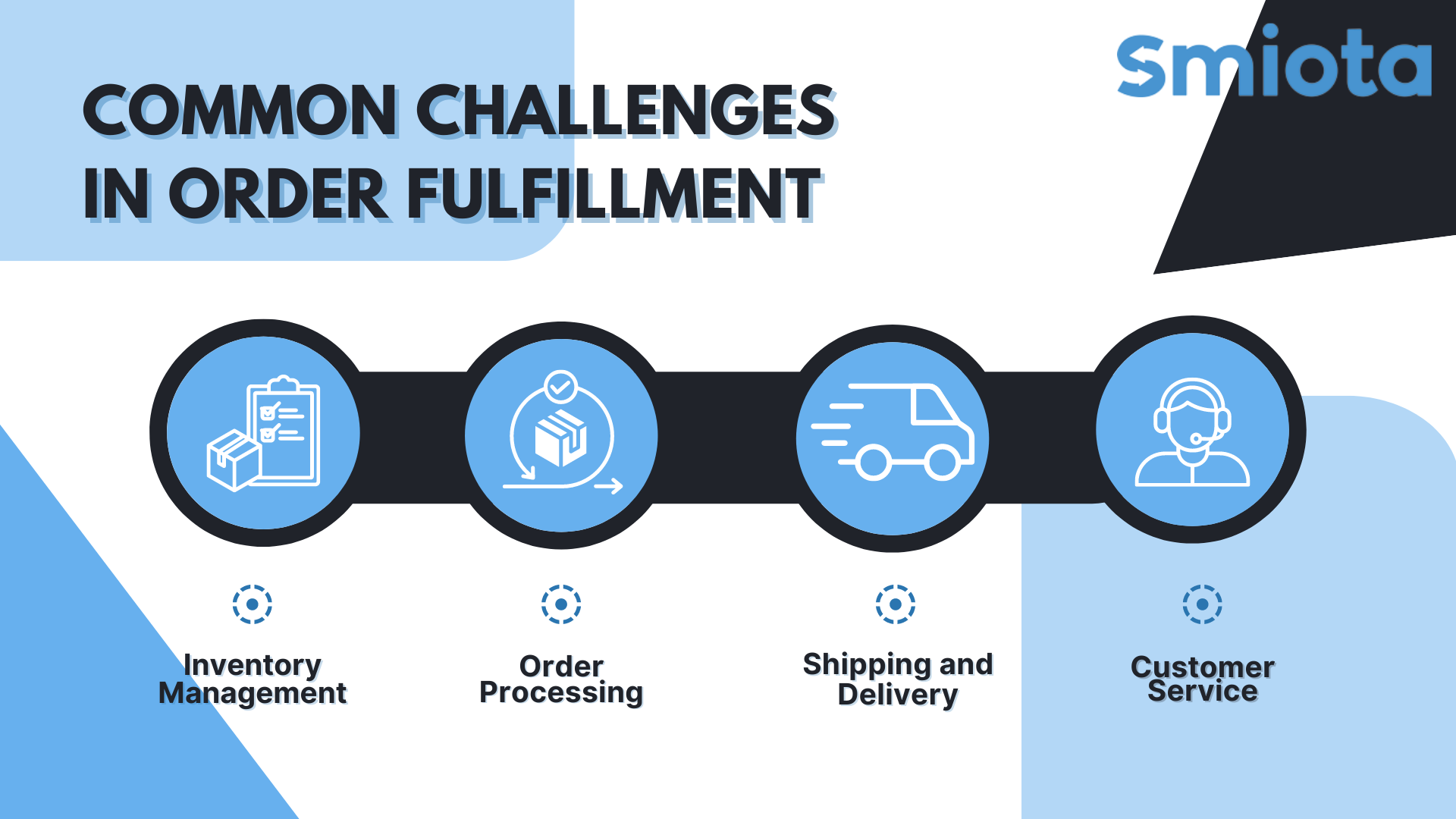
Inventory Management:
- Inaccurate Inventory: Outdated or inaccurate inventory data can lead to stockouts, disappointing customers who expect immediate availability.
- Overstocking: Excess inventory ties up valuable resources and incurs storage costs, impacting profitability.
Order Processing:
- Order Processing Delays: Manual processing workflows can be slow and prone to errors, extending the time it takes to get orders out the door.
- Order Errors: Mistakes during order entry or picking can lead to incorrect items being delivered, requiring returns and replacements, leading to customer frustration.
Shipping and Delivery:
- Misdeliveries: Incorrect addresses or mishandling during shipment can result in packages ending up in the wrong hands, causing delays and customer inconvenience.
- Delivery Delays: Slow delivery times can reduce customer confidence and satisfaction, especially given that customers expect lightning fast delivery.
Customer Service:
- Increased Inquiries: Fulfillment issues can lead to a surge in customer service inquiries, straining resources and impacting overall customer experience.
- Negative Customer Reviews: Dissatisfied customers with poor fulfillment experiences can leave negative online reviews, damaging brand reputation and influencing potential customers.
Strategies to Improve Your Order Fulfillment Process
Now that we understand the common challenges, here are some strategies that can be implemented to optimize your order fulfillment process and create a seamless customer experience that fosters loyalty and repeat business:
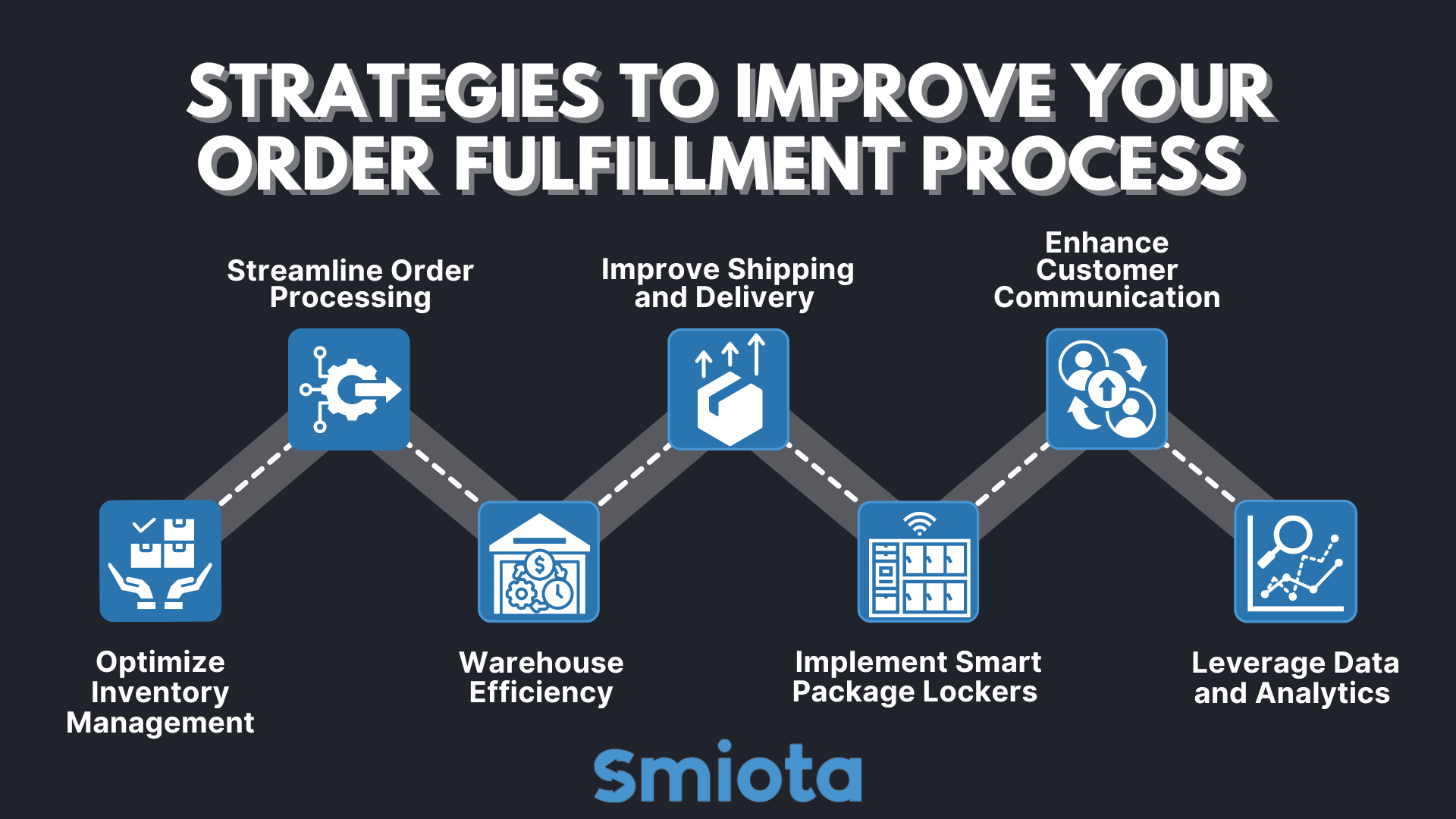
1. Optimize Inventory Management
- Real-Time Inventory Tracking: Invest in an inventory management system (IMS) that provides real-time data on stock levels. This helps you to identify potential stockouts before they happen and ensures you have the right products on hand to fulfill orders promptly.
- Automated Inventory Replenishment: Utilize automated replenishment systems that trigger purchase orders when inventory falls below a certain threshold. This ensures optimal stock levels without the risk of overstocking, reducing storage costs and improving cash flow.
2. Streamline Order Processing
- Order Management Systems (OMS): Implement an OMS that automates order processing tasks like order verification, payment processing, and order routing. This reduces manual errors, streamlines the workflow, and speeds up order fulfillment times.
- Automated Order Routing: Set up automated order routing for direct orders to allocate them to the most suitable fulfillment center based on location, inventory availability, and shipping speed. This ensures orders are fulfilled efficiently, minimizing delays and delivery costs.
3. Warehouse Efficiency
- Warehouse Management Systems (WMS): A WMS helps optimize warehouse operations by managing inventory location, picking routes, and labor allocation. This system can significantly improve picking accuracy and efficiency, leading to faster order fulfillment.
- Efficient Picking and Packing Strategies: Strategies such as batch picking (picking multiple orders at once) and zone picking (assigning specific zones for different items) can help optimize picking and packing processes. This can significantly reduce the time it takes to fulfill orders and get them out the door.
4. Improve Shipping and Delivery
- Carrier Management: Partner with reliable carriers known for efficiency and timely delivery. Negotiate competitive rates and prioritize carrier options based on customer preferences (e.g., expedited shipping vs. standard).
- Shipping Software: Shipping software can be used to compare rates from different carriers, generate shipping labels, and track shipments in real-time. This provides transparency for both you and your customers, allowing for proactive communication and improved delivery experiences.
5. Implement Smart Package Lockers
Smart package lockers offer a secure and convenient solution for both businesses and customers:
- Overview: Smart lockers are self-service kiosks strategically placed in high-traffic areas like grocery stores, shopping malls, or apartment buildings. Customers can choose locker delivery at checkout and receive a unique code to access their package once it arrives.
- Stages it can be incorporated into: Smart lockers can be integrated with various aspects of your order fulfillment process, including:
- Inventory Management: Inventory specifically designated for locker fulfillment can be maintained and tracked within the locker system.
- Order Management Systems (OMS): The OMS can be configured to automatically route orders to designated lockers based on customer selection.
- Warehouse Management Systems (WMS): WMS can be integrated to optimize picking and packing for locker fulfillment, ensuring items are prepped and ready for delivery to the lockers.
- Fulfillment Centers: Smart lockers can be strategically placed near fulfillment centers to streamline the delivery process for locker orders.
- BOPIS (Buy Online, Pickup In-Store): Lockers can be used as convenient pickup points for BOPIS orders, offering customers flexibility and reducing in-store congestion.
- Package Tracking Data and Analytics: Locker delivery data can be integrated with your analytics platform, providing valuable insights into customer preferences and optimizing locker placement strategies.
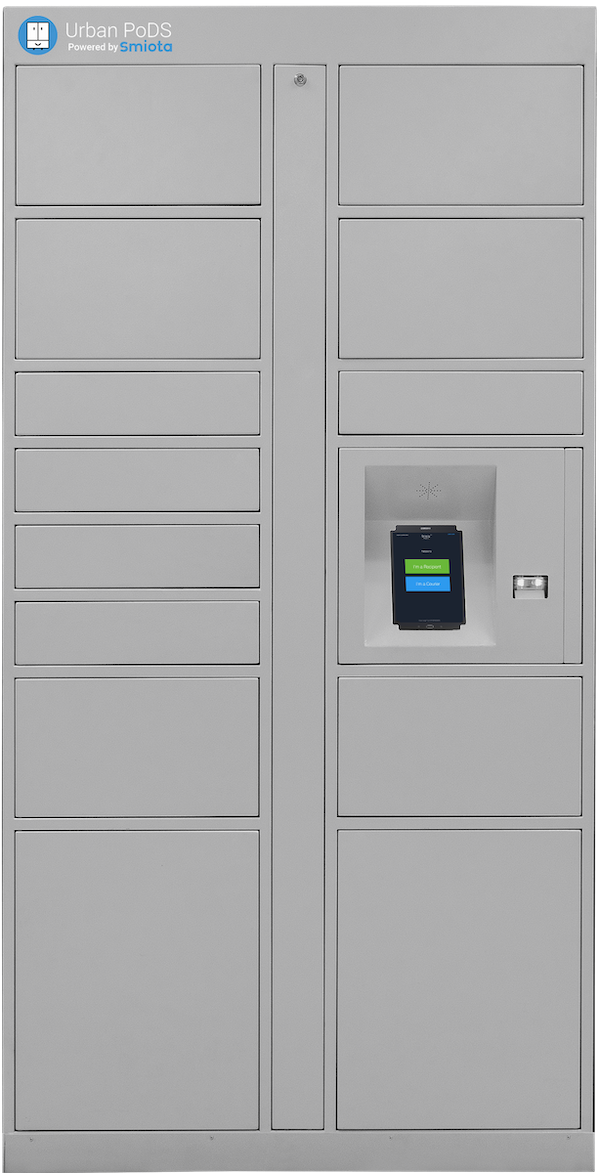
Benefits:
- Secure Storage: Packages are securely stored in the lockers until retrieved by the customer, eliminating porch piracy concerns.
- Convenient Pickup: Customers can pick up their orders at any time, 24/7, reducing missed deliveries and offering greater flexibility.
- Reduced Last-Mile Delivery Issues: Smart lockers strategically placed in high-traffic areas can significantly reduce the burden on last-mile delivery services, minimizing associated costs and potential delays.
- Easy Return Process: Smart lockers can be incorporated into the return process, allowing customers to easily return unwanted items at their convenience. This enhances the overall customer experience and encourages repeat business.
- Tools storage and tracking: In a warehouse, managing the storage and tracking of tools required for various purposes is a challenge. Manual processes often make it difficult to ensure accountability and easy exchange. Smart lockers make the entire process convenient by offering a safe place to store them. With information on who keeps and picks up tools, warehouse managers can monitor tools usage and make sure they are not lost during usage or exchange.
6. Enhance Customer Communication
- Order Confirmation and Updates: Keep customers informed every step of the way. Provide immediate order confirmation with estimated delivery times and send regular updates on order status. This transparency builds trust and reduces customer anxiety about their orders.
- Customer Support: Have a responsive customer service team available to address any fulfillment issues promptly and professionally. A proactive approach can turn a negative experience into a positive one by demonstrating your commitment to customer satisfaction.
7. Leverage Data and Analytics
- Performance Metrics: Track key metrics throughout the fulfillment process, such as order accuracy, fulfillment speed (time from order to delivery), and customer satisfaction scores.
- Continuous Improvement: Analyzing data could involve optimizing warehouse layouts, adjusting picking and packing strategies, negotiating better shipping rates, or strategically placing smart lockers based on customer demographics and order volumes. By continually evaluating data, businesses can refine their fulfillment process for maximum efficiency and customer satisfaction.
Conclusion
By implementing the strategies outlined above, you can create an order fulfillment system that delivers exceptional customer experiences consistently. This can be your gateway to standing out in the intensely competitive e-commerce market.
Smiota’s smart lockers can be a game-changing solution in this regard. Whether you are an e-commerce company, warehouse owner, or retail store offering BOPIS experiences, using smart lockers is a great way to ease the purchase journey. With key features such as sensor-based chain of custody, customizability, superior security, temperature control, etc., Smiota’s smart lockers can ensure your packages are delivered to the right customers without loss.
Contact us today to learn how our smart locker solutions can enhance your order fulfillment process.